Portuguese
  Spanish


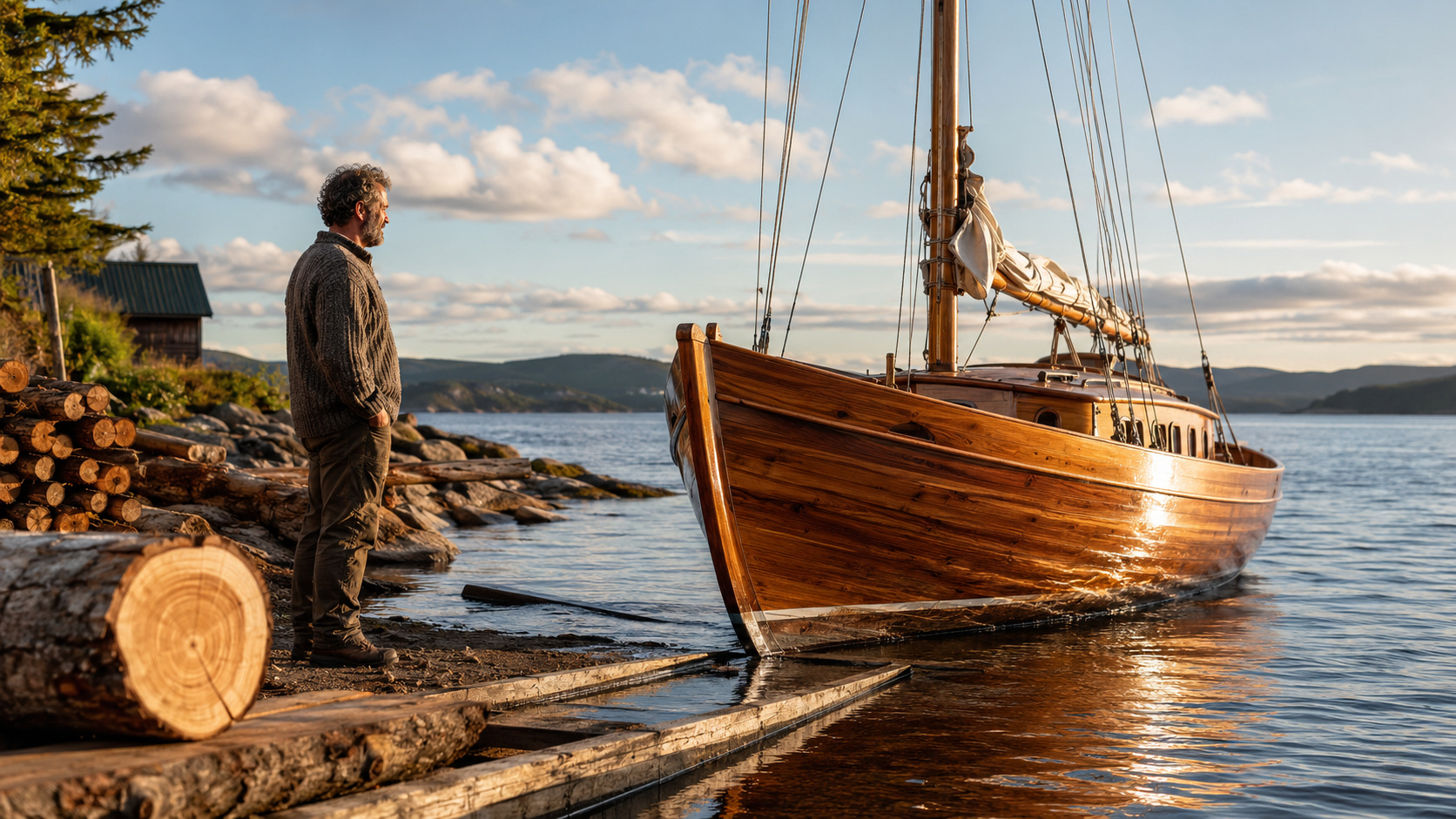

The 11-meter wooden sailboat was born from farm trees, went through cutting, wood preparation, hull assembly, installation of engine, tanks, and internal areas, until reaching the sea after years of work and artisanal shipbuilding
A man with no experience in shipbuilding transformed trees from his own farm into an 11-meter wooden sailboat. Steve Denette took the Arabella from the backyard to the water, with hull, engine, tanks, and internal spaces.
The information was released by Acorn to Arabella, a YouTube channel and project website. Construction began in 2016 and the launch into the sea took place on June 17, 2023, in Mattapoisett, Massachusetts.
The wood needed to be prepared, receive the right cuts, and follow a design intended for a vessel that would be in contact with water.
Wooden sailboat started with trees cut on the family farm
Steve Denette removed trees from the family property and prepared the wood before starting assembly. Most of the material used in Arabella came from the farm itself.
-
U.S. Approves First Floating LNG Terminal, Awards $2.9 Billion Contract to Samsung Heavy for Delfin FLNG 1 Construction

-
Belgium’s 110-meter ship lift raises vessels weighing up to 1,350 tons the height of a 20-story building without leaving the water.

-
Petrobras Secures $2.2 Billion Contract to Build and Operate Four Support Vessels for Brazil’s Offshore Oil Fields
-
While many ports want to grow, Barcelona has decided to do the opposite and will cut cruise terminals from 7 to 5 after pressure from residents, protests, and crowds.





The tree was not used directly in the hull. The wood needed to become pieces with defined size, shape, and position to form the structure of the wooden sailboat.
This care helps to understand why the construction is not ordinary carpentry. Each part needed to fit into the place provided by the boat design. It gathered molded pieces in a backyard shipbuilding.
The hull is the outer part of the boat, the one that is in direct contact with the water. In Arabella, the assembly gathered molded wooden pieces to form the base of the vessel.
It was at this stage that the backyard began to function as a shipbuilding site. The work required well-made fittings, attention to the hull shape, and space for the equipment that would be installed later.
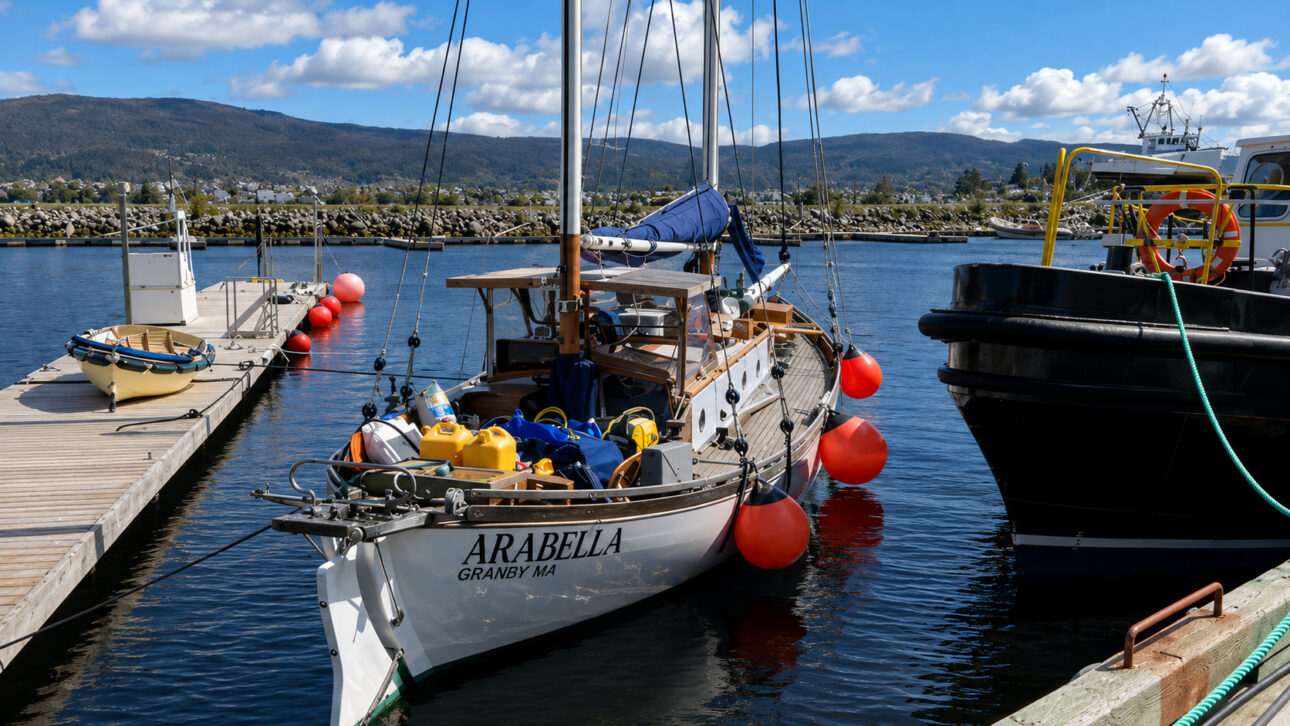
The hull alone would not make the sailboat ready for use. Arabella also received engine, tanks, and internal systems, parts that allow organizing life inside a vessel.
Tanks are reservoirs installed on the boat. The engine and internal areas needed to be fitted without hindering circulation and the already assembled wooden structure.
Steve Denette had no previous experience in boat building when he started the project. The project required study, practice, corrections, and help from others at different stages.
The construction took seven years from the start of the work to the launch. This time was used to transform cut wood into a hull, install systems, and finalize the internal spaces. The lesson is not just in the size of the boat. Shipbuilding requires patience, planning, and willingness to learn when a mistake appears along the way.
Launch into the sea ended years of work in the backyard
Arabella entered the water on June 17, 2023, in Mattapoisett, Massachusetts. The launch took to the sea a wooden sailboat made mostly from trees on the family farm. It documented the journey from cutting the wood to assembling the interior. This sequence helps to understand how a simple material can gain a completely different function when there is a project, technique, and time.
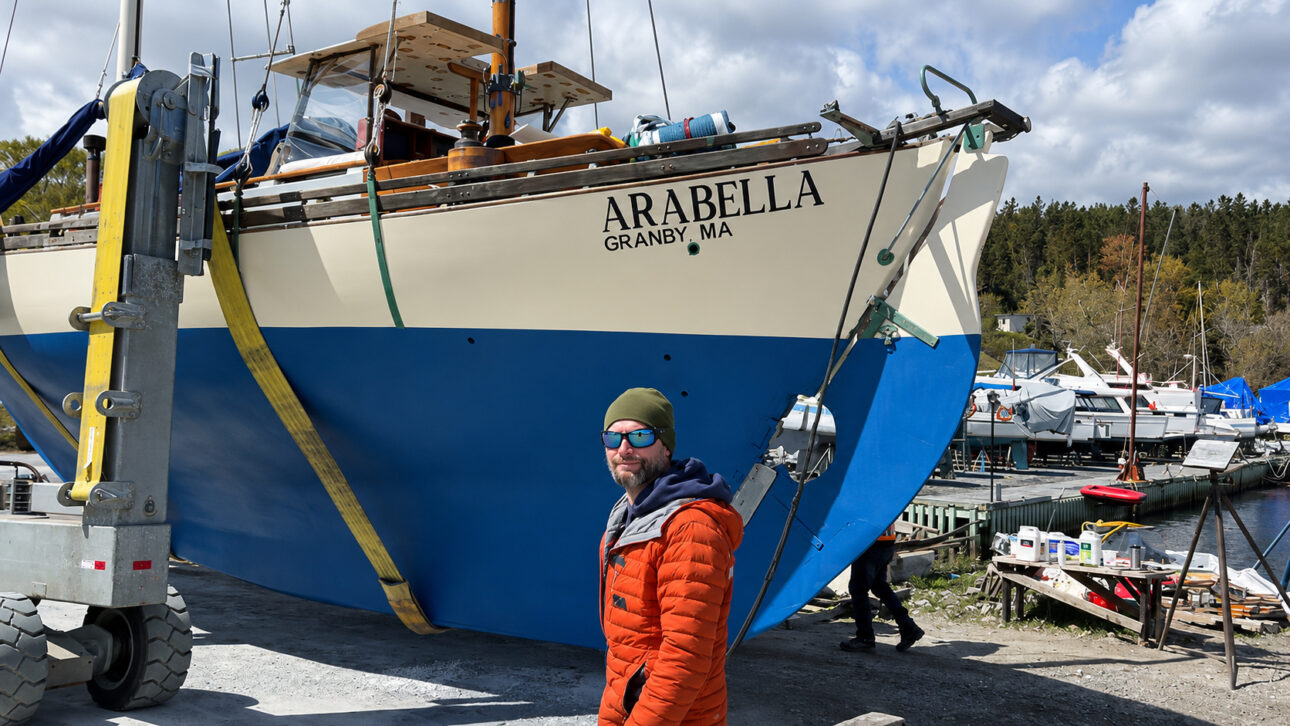
Arabella went from a farm to an 11-meter vessel ready to sail. The result is striking for its size, but also for the long journey from the tree, the hull, and the sea.
Tell us in the comments: which part of this project would demand more from you, transforming trees into a safe hull or maintaining persistence for seven years?