






 Portuguese
  Spanish


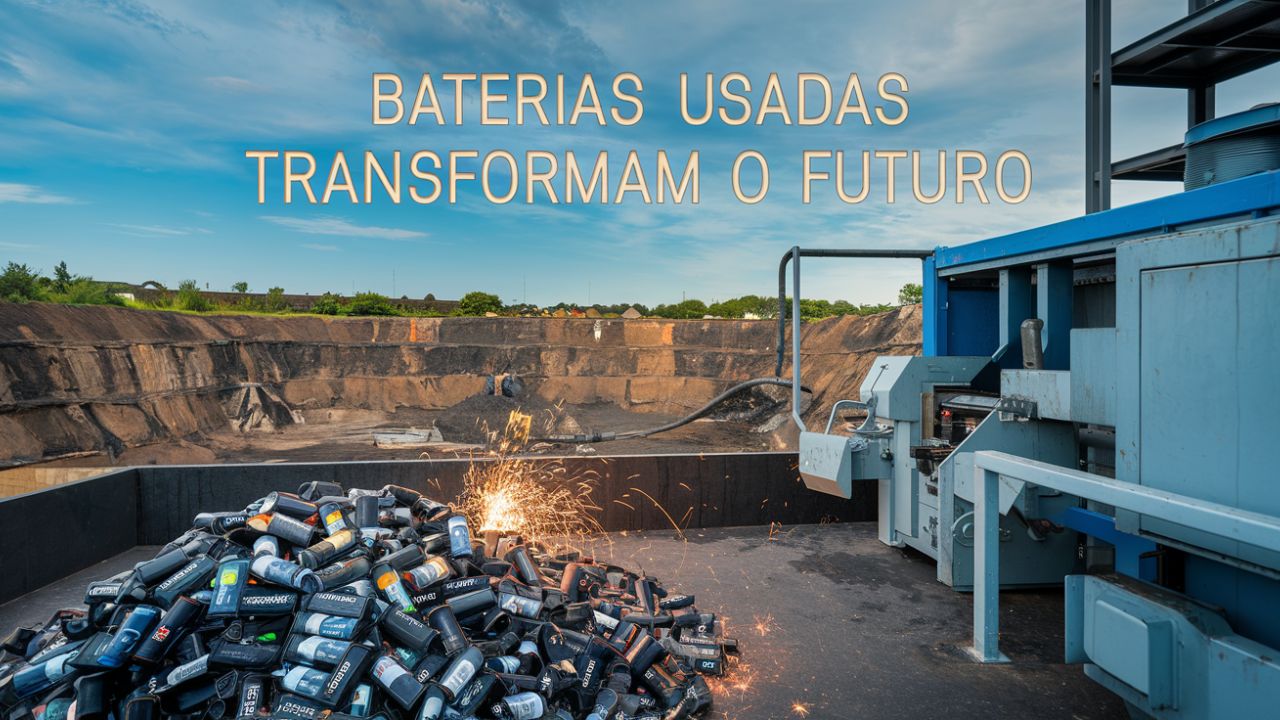

Study Proves That Recycling Batteries Emits Up to 81% Less Greenhouse Gases, Saves 88% Water, and Reduces Energy Consumption by up to 89%, Surpassing Mining in Efficiency and Sustainability!
Metal mining for batteries comes at a high cost, not just financially. The environmental impact of this process is enormous, requiring large amounts of energy and water, resulting in a concerning carbon footprint. But what if there were a more efficient and sustainable way? A study published in Nature Communications revealed that recycling lithium-ion batteries can reduce greenhouse gas emissions by up to 81% compared to traditional mining.
Battery Recycling: A Solution to Reduce Environmental Impacts
The research conducted by scientists at Stanford University produced impressive numbers. In addition to the drastic reduction in emissions, recycling also consumes up to 89% less energy and 88% less water. This is because recovering materials like lithium, nickel, cobalt, and copper from discarded batteries requires far fewer resources than extracting them from the ground.
The study highlights that battery recycling can be a key piece in the fight against the climate crisis. While traditional mining consumes large volumes of energy and emits alarming amounts of pollutants, recycling manages to mitigate these impacts.
-
Brazilian scientists are simultaneously advancing two research projects on clean hydrogen and driving solutions that could transform the energy matrix, enhance industrial competitiveness, and accelerate large-scale emission reduction targets.

-
Advancement in renewable energy: A R$ 150 million project launched by Petrobras and Finep aims to create state-of-the-art electrolyzers for green hydrogen, strengthening national research and preparing Brazil to compete in a billion-dollar energy market.
-
Illiterate or semi-literate grandmothers were trained to repair solar systems, open rural workshops, and light up homes that still depended on kerosene.
-
The world has bet on green hydrogen as the fuel of the future, but now faces the side effect: producing 1 kilogram requires about 9 liters of ultrapure water, and the largest projects on the planet are precisely in the driest regions of the Earth, where water is already scarce for people.





In numbers, the benefits are evident:
- 58% to 81% less greenhouse gas emissions
- 72% to 88% less water consumption
- 77% to 89% less energy use
Recycling batteries not only reduces the demand for mining but also optimizes natural resources. This means less environmental destruction and less reliance on fossil fuels to extract and refine precious metals.
Recovery of Critical Metals: A Step Toward Sustainability

The materials extracted from recycled batteries, such as lithium, nickel, and cobalt, are essential components for new batteries. In a world where the demand for electrification is rapidly growing, repurposing these metals reduces reliance on new mining sources and strengthens the supply chain.
The study also highlights that recycling can reduce the vulnerability of the global market for critical metals. Currently, lithium and cobalt mining is concentrated in a few countries, making supply unstable and susceptible to market fluctuations and geopolitical tensions. With recycling, this dependency can decrease, bringing greater security to the sector.
However, the benefits of recycling are not absolute. The study notes that the environmental impact of this process depends on the location of the factories and the energy matrix used. Regions that rely heavily on coal, for example, may not see such significant reductions in emissions. On the other hand, places that use renewable energy enhance the climate benefits of recycling even further.
The Future of Battery Recycling and Its Impact on the Industry
The transition to a more sustainable recycling model requires innovation and investment. As technology advances, it is expected that metal recovery processes will become even more efficient, reducing costs and environmental impacts.
To make recycling a global standard, challenges still need to be overcome. Efficient collection of “dead” batteries, the development of more effective recovery methods, and the expansion of recycling infrastructure are fundamental steps.
According to Interesting Engineering, the Stanford study leaves no doubt: recycling batteries is much more advantageous than continuing to extract virgin minerals. In addition to reducing environmental impacts, this approach helps ensure a more stable supply of critical metals and strengthens the circular economy.
As Professor William Tarpeh, one of the study’s authors, stated: “Electric vehicles are already good for the environment, and now we are discovering ways to make them even better. We can design the future of battery recycling to optimize its environmental benefits.”








