






 Portuguese
  Spanish


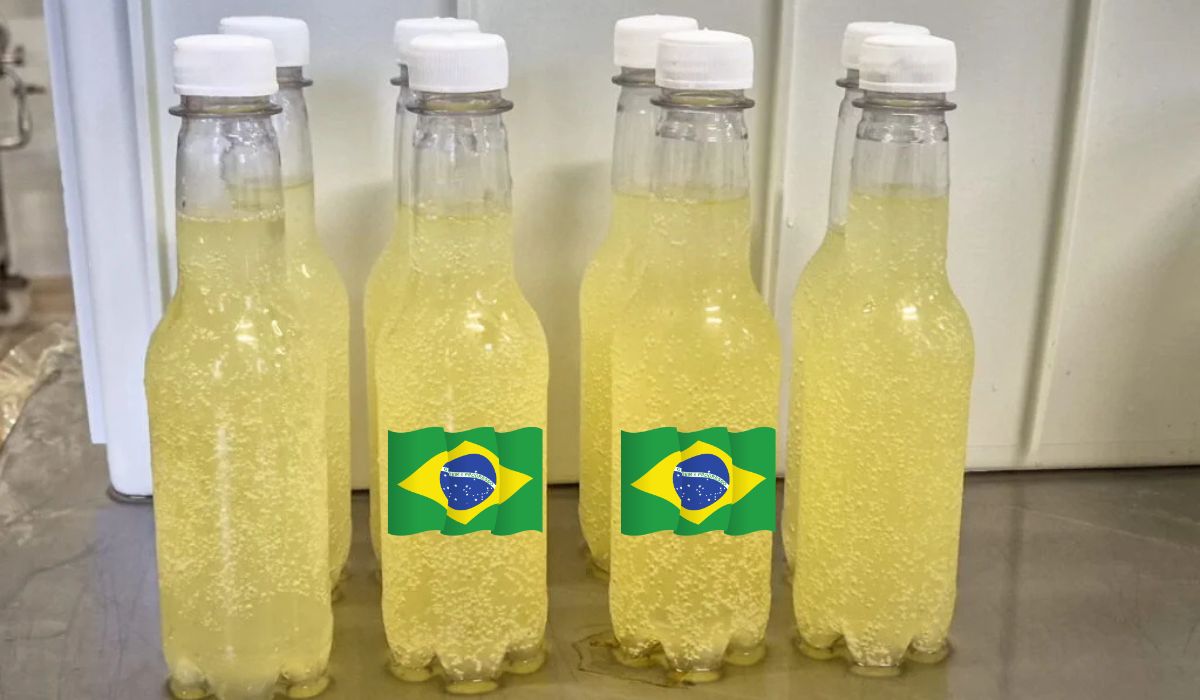


Carbonated Drink Made With Whey Enters Validation Stage in Minas Gerais and Aims Transfer to Industry, with Stability, Safety, and Shelf-Life Tests, in a Project Led by EPAMIG and Supported by Fapemig and Funarbe.
A soft drink made from whey, a common byproduct in cheese production, has entered the technical validation phase in Minas Gerais and is moving forward as an alternative to expand the dairy portfolio and reduce the disposal of this material.
Named “Refrigerante do Bem”, the beverage is being developed at the Institute of Dairy Products Cândido Tostes (ILCT), a unit of the Agricultural Research Company of Minas Gerais (EPAMIG), and is set to undergo stability and safety tests before having its technology transferred to the productive sector.
The formulation aims for a carbonated beverage with a dairy base, using two processing paths described by the team: fermentation or acidification.
-
Scientific Breakthrough: Bacteria Found in a Rio de Janeiro Lagoon Guide Mars Research After Scientists Identify Similarities to Extreme Environments, Expanding Understanding of Extraterrestrial Life Possibilities

-
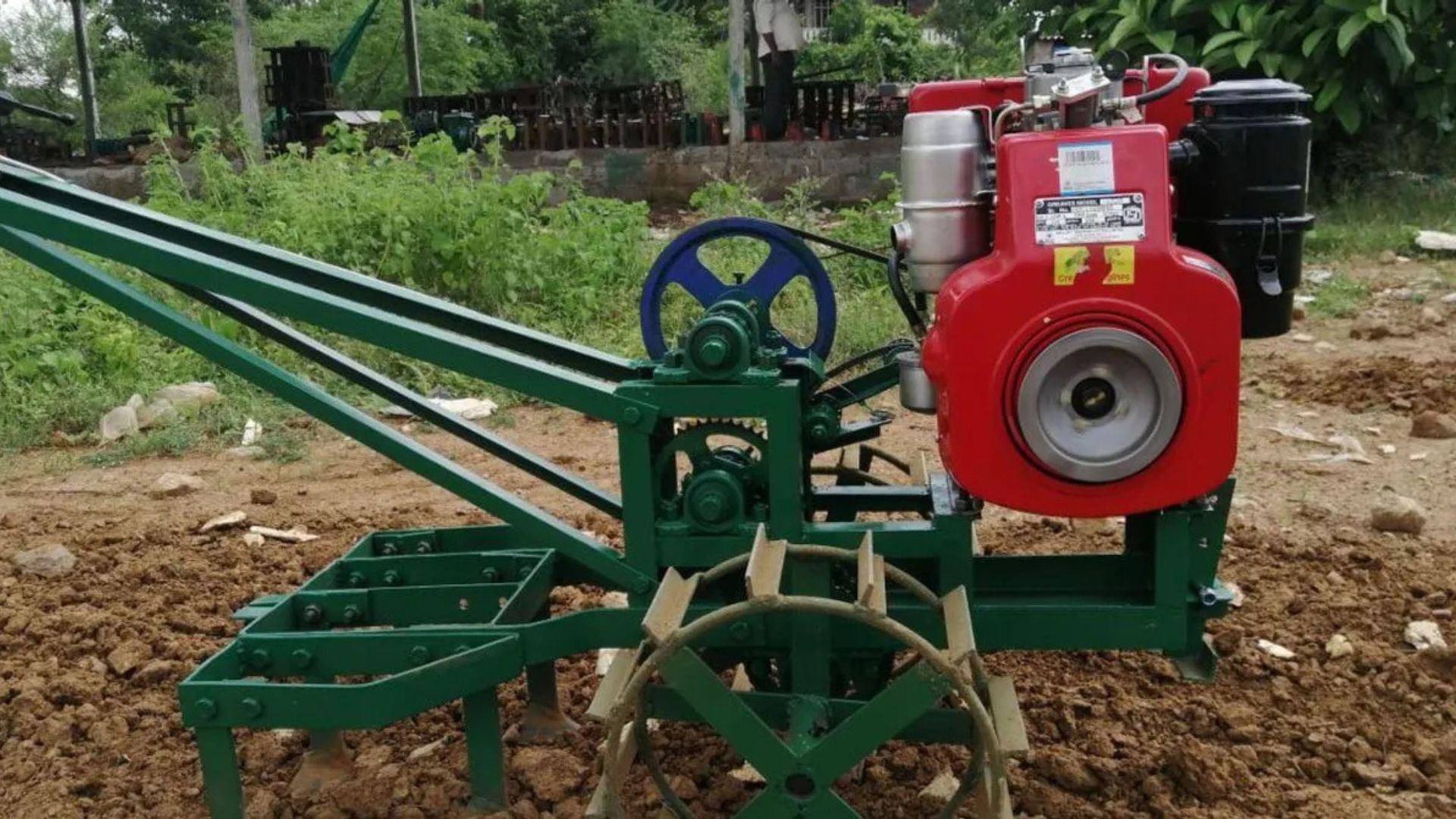
Brazilian Mechanic Wins Indian Presidential Award for Inventing Fuel-Efficient Agricultural Machine

-
Brazilian Polilaminin Reaches 100 Spinal Cord Injury Patients Through Compassionate Use, Shows Progress After 6 Months, Highlighting UFRJ’s Role in Experimental Regeneration Research

-
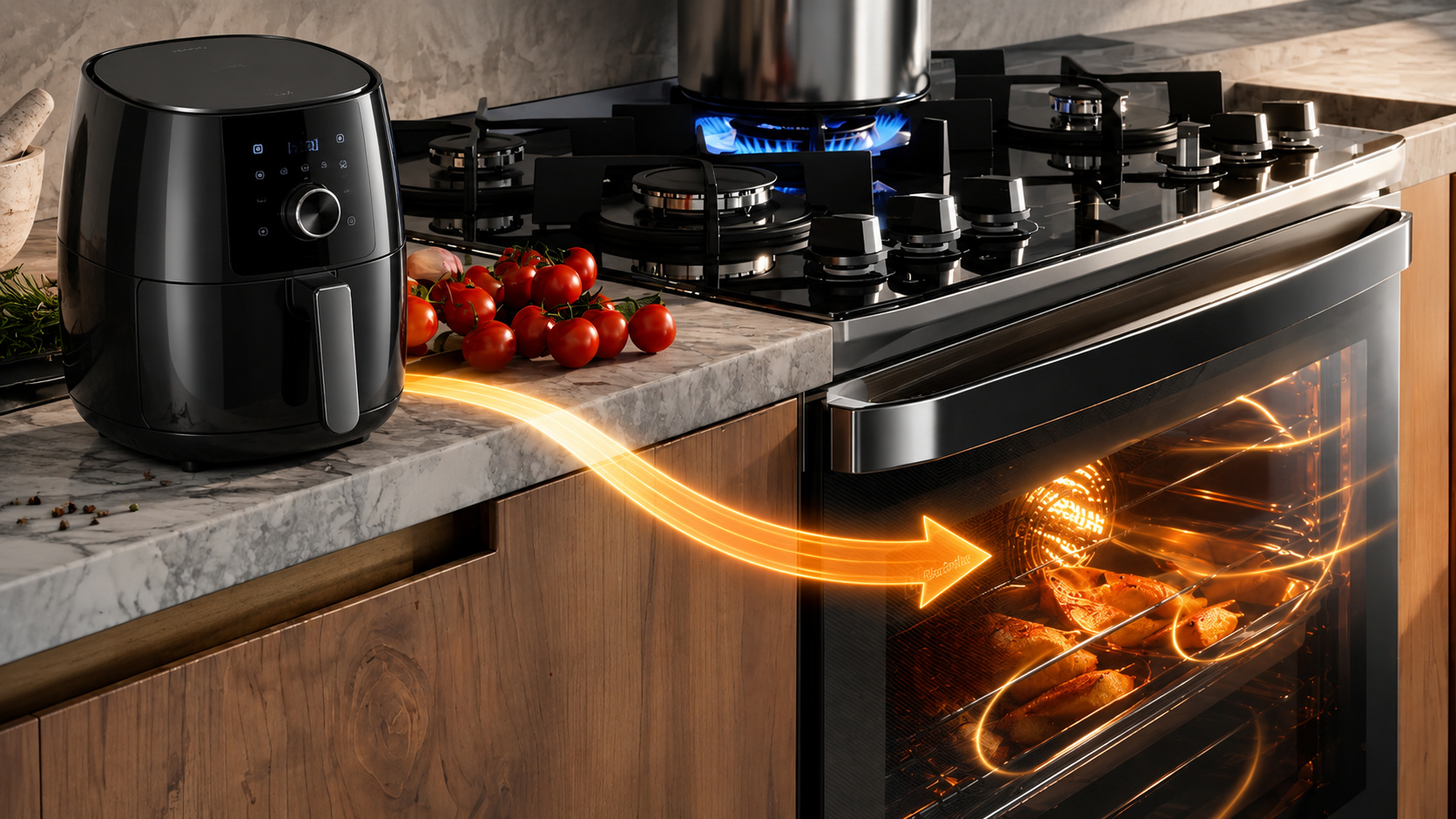
Electrolux Unveils New Stove with Integrated Airfryer, PerfectCook360, VaporBake, Grill, Glass Top, and Oil-Free Large Portion Cooking


The researchers also mention the possibility of including components such as prebiotics and probiotics, in addition to preserving naturally occurring minerals in the whey, but the final composition is still being defined.
Whey and Applied Research in Dairy Products
Whey is generated in large volumes during the production of dairy derivatives and may require proper management to avoid environmental impacts when disposed of improperly.
At ILCT, the line of work aims to transform this byproduct into raw material for a carbonated drink, with a setup designed to be viable on an industrial scale.
When explaining the choice of the nickname “do bem,” the research coordinator of EPAMIG, Junio de Paula, related the project to the utilization of a raw material that, in some industries, ends up without productive use.

“We contribute to the environment by utilizing a raw material that often would be discarded, and to health, by maintaining calcium and minerals, as well as the possibility of including prebiotics and probiotics,” he stated.
Technical Validation, Stability, and Microbiological Safety
With the drink defined as carbonated, the research group describes the current stage as validation.
During this phase, analyses of the whey and process parameters are conducted to guide decisions on ingredients, formulation, and manufacturing conditions compatible with large-scale production.
The trials include the characterization of the composition of the whey used and the evaluation of the two proposed methods, fermentation and acidification.
The comparison between the routes aims to identify the product’s behavior in terms of acidity, stability, and sensory profile, according to the project design.
Part of the work also measures how the drink holds up over time, especially under refrigeration.
The team aims to establish the shelf life and observe whether the characteristics of flavor and aroma remain stable, in addition to verifying requirements for microbiological safety.
As the final formula has not yet been disclosed, available information indicates that the concept differs from traditional soft drinks by using an ingredient derived from milk and aiming for a profile associated with whey minerals.
So far, no consolidated nutritional table or standardized comparisons with already marketed beverages have been publicly presented, which depends on the conclusion of the formulation and the consolidation of tests.
EPAMIG School Factory in Juiz de Fora and Industrial Scale
The development plan provides for the production and evaluation of the soft drink at the EPAMIG school factory in Juiz de Fora, a structure used in applied research activities.
From this stage, the objective is to consolidate a process that can be replicated by interested dairy companies, with implementation described as low-complexity by those in charge.
In the information released about the project, the expectation is to complete the research cycle in early 2027.
This timeline is linked to the progress of tests and the technical definitions that are ongoing, such as determining stability and finalizing manufacturing parameters.
Fapemig and Funarbe in Funding and Project Management
The “Refrigerante do Bem” is described as a project funded by the Foundation for Research Support of the State of Minas Gerais (Fapemig) and managed by the Arthur Bernardes Foundation (Funarbe).
The institutions are cited as responsible for supporting, respectively, the funding and the administrative conduct of the research and validation work.
What Has Been Released and What Still Needs Detailing
The available information so far indicates that the initiative aims to offer the dairy sector an alternative for diversification and a possible productive use for whey.

It is also expected that development will follow two manufacturing routes, fermentation and acidification, and that the current stage will involve formulation and process validation, focusing on stability, preservation, and microbiological safety.
Publicly detailed points that usually define the commercial positioning of a beverage, such as final composition, sugar content, any use of sweeteners, and consolidated nutritional values, have not yet been disclosed.
There has also been no announcement of results from public acceptance tests with consumers on a large scale, information that may depend on finalizing the formula and completing shelf-life trials.




Ótimo!
A really good blog and me back again.