






 Portuguese
  Spanish
  4 min of reading
  0 comments



Simulations Show How Much You Need to Invest in Savings, CDBs, and Real Estate Funds to Ensure R$ 1,000 in Monthly Passive Income.
The search for passive income is growing increasingly among small and medium investors. The idea is simple: put money to work in investments and, in return, receive a monthly amount without additional effort.
But the central question remains: how much do you need to invest to guarantee R$ 1,000 a month?
Using practical simulations, it is possible to have a good idea.
-
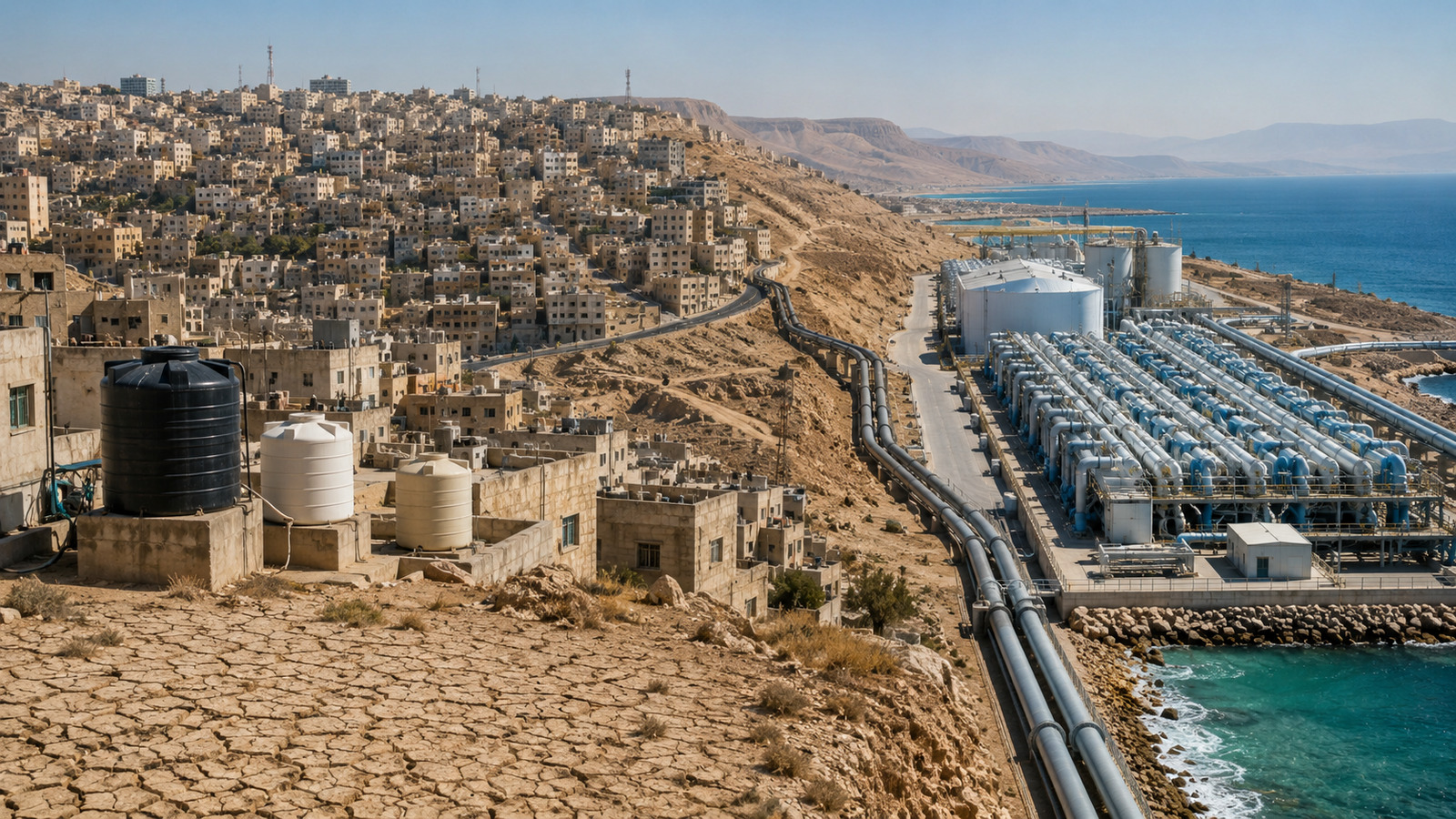
Country making its World Cup debut has only 61 m³ of water per person per year, suffers from scarcity, and is betting on a megaproject to draw water from the Red Sea to the capital.

-
Former truck driver wakes up at 2 a.m., fills 28 thermos bottles with coffee, and sells them in Anhanguera traffic without charging at the moment, trusting that drivers will pay later via Pix.

-
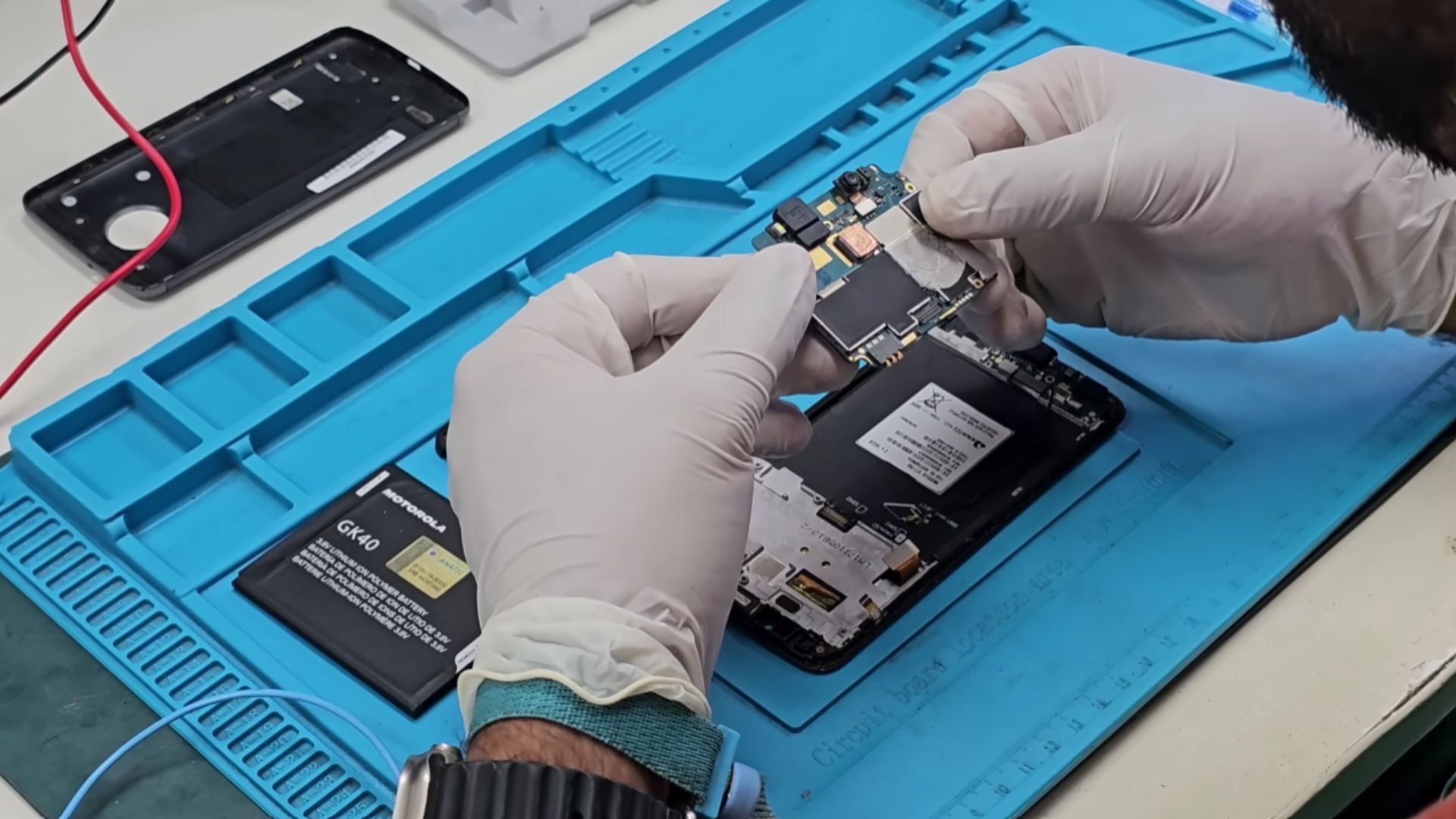
A R$ 2 part turned into a R$ 120 service, and cell phone repair has become one of the most profitable businesses in Brazil, with an entrepreneur who has already trained 5,000 technicians after finding the course unsatisfactory.
-
Man received R$ 131 million by mistake, returned the money, and requested R$ 13 million as a reward, which was denied: now he seeks clarification from the court about the decision; understand


Simulation with Savings
The starting point is savings. Currently, the monthly return was around 0.67%. This figure comes from the combination of the Selic rate above 8.5% and the approximate TR of 0.17%.
With this yield, to achieve R$ 1,000 per month, it would be necessary to invest R$ 150,000.
The calculation shows that this amount would yield just over R$ 1,000 per month.
The advantage here is that savings do not have tax deductions. However, the required amount is high and the return is low compared to other options.
Investments Linked to CDI
The next step is to look at products that yield 100% of the CDI. This is considered the basic benchmark for fixed income security in Brazil.
The CDI closely follows the Selic rate and, in the cited period, yielded 14.9% per year, equivalent to 1.16% per month.
With this percentage, the necessary amount to generate R$ 1,000 net is about R$ 111,000.
Compared to savings, the difference is significant: almost R$ 40,000 less. It’s important to remember that income tax of 22.5% applies for investments held for up to six months. This deduction reduces the gross yield but still guarantees R$ 1,000 net.
Examples include products from digital banks, such as Nubank’s “caixinhas,” Itaú or PicPay savings accounts, as well as traditional CDBs.
Many are covered by the FGC, which protects amounts up to R$ 250,000 per CPF and institution.
Yield Above 100% of CDI
There are options that yield more than the CDI. PicPay, for example, offers savings accounts that pay 102% of the index. This means the investor needs a smaller amount to reach the same goal.
In this case, R$ 109,000 would need to be invested. The gross yield would reach R$ 1,292 per month. After the 22.5% tax deduction, just over R$ 1,000 net would remain.
This difference of R$ 2,000 in the initial capital may seem small, but it shows how every percentage point makes a difference.
If a CDB pays 103% or 105% of the CDI, the required amount decreases even more. But caution is needed: yields much above average should be viewed carefully.
The recommendation is always to prioritize solid institutions and products guaranteed by the FGC.
Risks of Variable Income
So far, all examples have been from fixed income, which ensures predictability. We also presented a simulation with real estate funds, which belong to the variable income field.
The Example Used Was the Fund MXRF11.
Each share cost R$ 9.45 and paid R$ 0.10 in monthly yield. To reach R$ 1,000 in passive income, the investor would need 10,000 shares, which would represent an investment of R$ 94,500.
This amount is less than the R$ 150,000 required in savings and also lower than the R$ 111,000 from CDBs. However, since it is variable income, the risk increases.
The share price can drop or rise, and the dividend paid per share also varies. A R$ 1 drop in unit value, for example, would reduce total assets by R$ 10,000.
Likewise, if the dividend fell to R$ 0.08, the monthly income would drop to R$ 800.
Advantages and Cautions
The most important thing is to understand that each type of investment has its risk profile. Savings offer simplicity and tax exemption, but require a larger capital.
CDBs and investments that follow the CDI reduce the necessary amount and provide higher returns, but incur income tax. Real estate funds may require less initial investment and still guarantee tax exemption on dividends, but they fluctuate in the short term.
Therefore, before choosing any option, it is essential to study. Diversification also proves to be fundamental.
Putting all the money into a single investment increases risks. The ideal is to divide it among different products, balancing security and potential yield.
Additionally, it’s worth reinforcing the warning against promises of excessive returns. Exaggerated yields can hide excessive risks or even fraud.
Security should always come first, as the invested money is the product of time and work.
Based on the simulations, it is clear that there are different paths to reach R$ 1,000 per month in passive income.
The amount to invest ranges from R$ 94,500 in real estate funds to R$ 150,000 in savings, passing through R$ 109,000 or R$ 111,000 in CDI-linked products.
Each alternative has advantages and limitations. The secret is to understand how each one works, assess your own profile, and not be swayed by easy promises.
Passive income is possible, but it requires discipline, planning, and constant study.







-

-

-

-

-

-

73 people reacted to this.