






 Portuguese
  Spanish


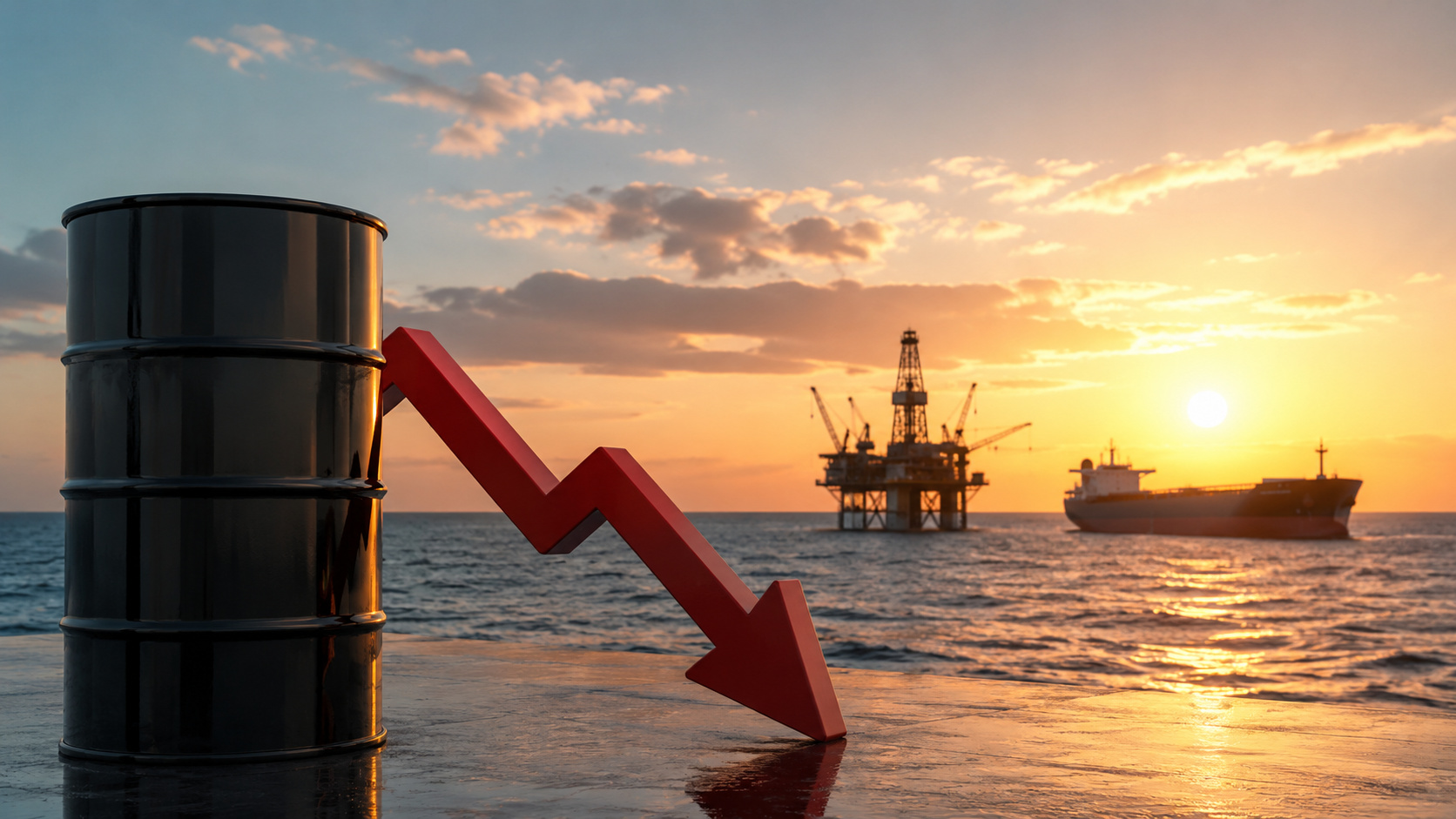

International oil prices continue to fall in global markets amidst the advancement of diplomatic negotiations between the United States and Iran. This scenario has increased investor optimism about a possible reduction in tensions in the Middle East, a region considered strategic for global energy supply.
As a result, the commodity’s barrel remains below the US$100 mark, reflecting expectations of geopolitical stability and a lower risk of disruptions to the global oil supply. According to information released by the Metrópoles portal, the market is closely monitoring the developments in diplomatic talks between the two countries.
Furthermore, experts assess that the recent behavior of oil demonstrates how political factors continue to directly influence international commodity prices.
-
OPEC+ Boosts Oil Supply by 188,000 Barrels per Day in July 2026, Leading to Price Drop from $112 to $89 per Barrel in Under Two Months

-
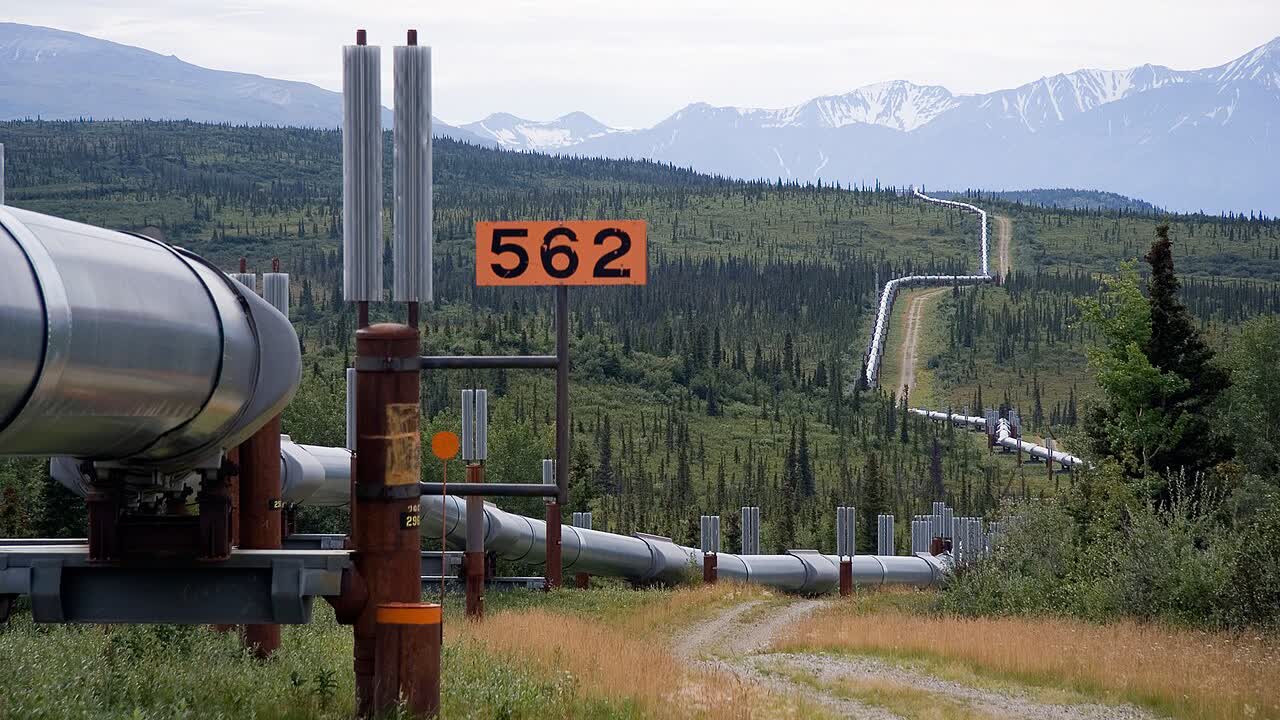
TotalEnergies Signs 20-Year Deal to Purchase 2 Million Tons of LNG from Alaska, Boosting Project Viability
-
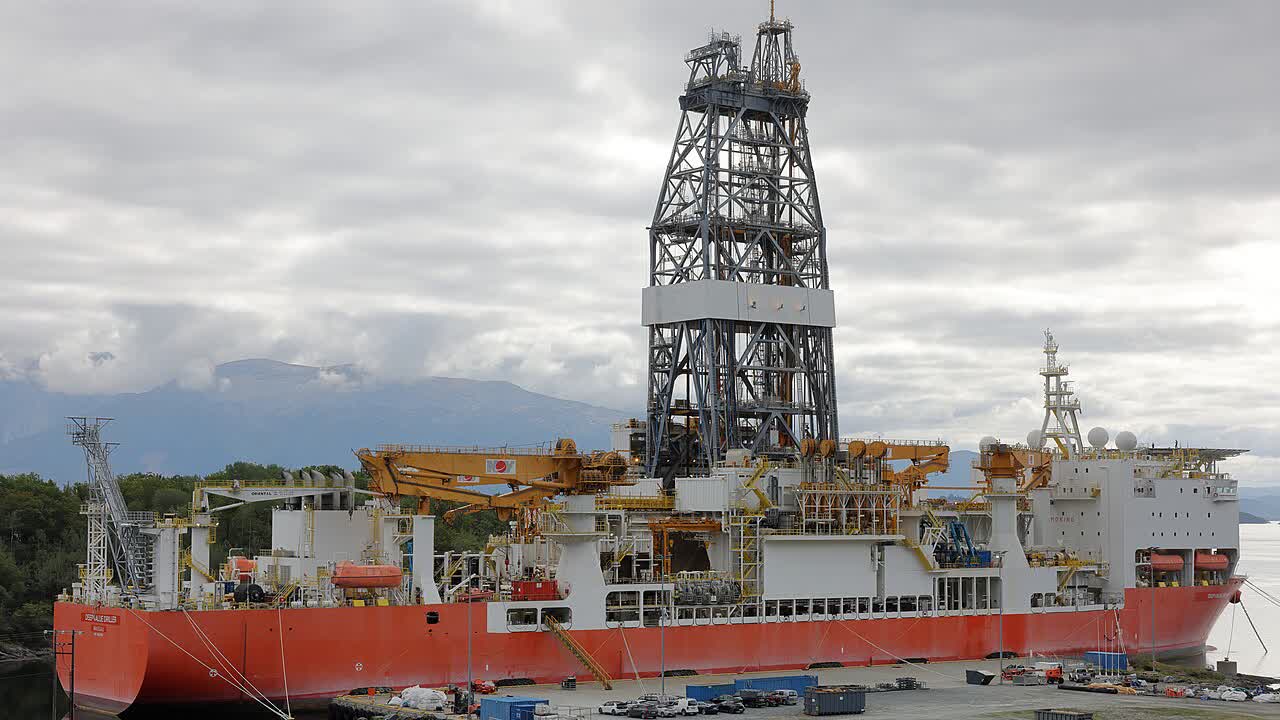
Turkey Deploys Çağrı Bey Drilling Ship to Explore New Oil Frontier Off Somalia’s Coast
-
Golden Pass LNG Ships First Liquefied Gas Cargo from the U.S., Completing $10 Billion QatarEnergy and ExxonMobil Investment

Why oil continues to fall
The main reason for the drop in oil prices involves the possibility of a diplomatic agreement between the United States and Iran.
In recent weeks, the market had been operating under strong pressure due to the risk of military escalation in the Middle East. However, the progress of negotiations has reduced some of the concerns related to the global supply of the commodity.
When investors believe that the risk of conflict decreases, the so-called “geopolitical premium” on oil also tends to fall.
In this scenario, international prices began to gradually recede.
The impact of the Middle East on the global market
The Middle East plays a central role in the international energy market.
The region concentrates some of the planet’s largest oil producers and hosts strategic routes for commodity export.
Among them, the Strait of Hormuz is considered one of the most important points for maritime oil transport.
According to international experts, about 20% of the world’s oil passes through the region daily. Therefore, any military threat in the area usually causes strong volatility in international prices.
What has changed in negotiations between the US and Iran
According to information released by the international press, representatives from the United States and Iran have made progress in diplomatic talks aimed at reducing regional tensions.
Furthermore, sources linked to the negotiations indicated that both sides demonstrated willingness to discuss stability measures in the Middle East.
Although there is still no official confirmation of a definitive agreement, the market reacted positively to rumors of diplomatic progress.
This movement helped reduce the fear of maritime blockades or prolonged disruptions to the global oil supply.
The behavior of the financial market
The drop in oil prices also impacted other sectors of the international economy.
Global stock markets reacted positively to the possibility of greater geopolitical stability. Furthermore, investors began to perceive a lower risk of a global energy shock.
In this context, assets considered safer lost some of their strength, while variable income markets registered improved performance.
According to financial analysts, oil continues to be one of the main indicators of global geopolitical risk perception.
Why a barrel below US$100 is important
The permanence of oil below US$100 has great economic relevance.
High commodity prices usually pressure inflation, transportation, industry, and fuels in various countries.
On the other hand, a drop in oil tends to relieve production costs and reduce inflationary pressures.
Furthermore, consumers may feel indirect impacts on gasoline prices and other energy derivatives.
In this scenario, oil behavior directly influences economies worldwide.

The recent history of tensions in the Middle East
Relations between the United States and Iran span decades of political and military instability.
In recent months, however, tensions have risen due to threats involving strategic oil routes and military movements in the region.
Furthermore, public statements by authorities from both countries have heightened fears of a larger conflict.
This scenario had been sustaining consecutive increases in international oil prices until the emergence of rumors of diplomatic negotiation.
The role of geopolitics in oil prices
The oil market is highly sensitive to geopolitical factors.
Unlike other products, the commodity responds quickly to conflicts, economic sanctions, military threats, and diplomatic crises.
Furthermore, future expectations have a great influence on prices.
Even without concrete changes in global production, rumors of stability or instability can strongly alter market behavior.
What investors expect now
Investors remain attentive to the next developments in negotiations between the United States and Iran.
At this moment, the market is working with two main scenarios:
- Advancement of the diplomatic agreement and continued fall in oil prices
- Failure of negotiations and resumption of price increases
Furthermore, any new official statement can cause rapid movements in international markets.
Therefore, specialists believe that volatility will remain high in the coming weeks.
The impact of falling oil prices for consumers
The reduction in international oil prices can generate significant effects for consumers in different countries.
In general, cheaper oil helps reduce fuel, logistics, and transportation costs.
Furthermore, energy-dependent industrial sectors may also experience operational relief.
However, specialists warn that the impacts do not always immediately reach the final consumer, as other economic factors also influence domestic prices.
How oil producers observe the scenario
Exporting countries are closely following the negotiations.
Nations highly dependent on oil revenues may face economic impacts if the commodity remains in decline for prolonged periods.
Furthermore, major global producers observe the behavior of international supply and possible changes in the dynamics of the energy market.
In this context, diplomatic decisions can generate significant economic effects for different regions of the planet.
The role of diplomacy in energy stability
The progress of negotiations reinforces the importance of diplomacy for the balance of the global energy market.
Military conflicts in producing regions usually generate immediate impacts on the international economy.
Therefore, diplomatic agreements are seen as fundamental to reducing volatility and ensuring greater energy predictability.
Furthermore, the financial market usually reacts quickly to signs of pacification or geopolitical stability.


The future of the oil market
Specialists assess that the international market will remain sensitive to political movements involving the Middle East.
Furthermore, issues related to energy transition, global production, and economic growth also influence the commodity’s behavior.
In this scenario, oil remains one of the most important assets in the global economy.
Finally, the continued fall in prices shows how diplomatic expectations can rapidly alter the balance of global markets, reinforcing the direct link between geopolitics, energy, and international economics.


