






 Portuguese
  Spanish


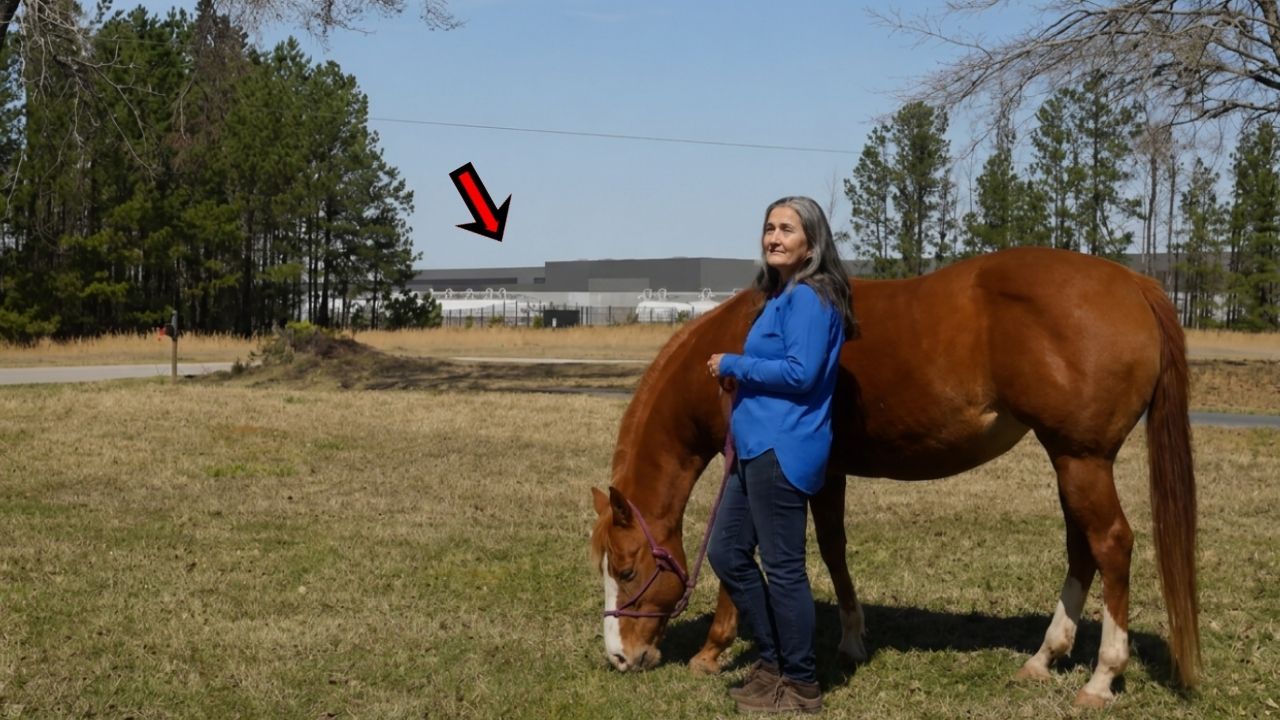


In Mansfield, Georgia, Beverly and Jeff Morris report that life next to a Meta data center has changed since construction began in 2018. Less than 400 yards from their home, the project has become a symbol of a dispute over water, energy, silence, and the costs of artificial intelligence.
A Meta data center in Mansfield, in the state of Georgia, United States, has become the center of a discussion that goes far beyond technology. Beverly and Jeff Morris, residents of the area, claim they live less than 400 yards from the facility and that their rural routine now includes dust, noise, intense light at night, sediment-filled water, and higher energy bills.
The case gained attention in a video report by More Perfect Union, used as the main source for this article. The available transcript does not provide the exact date of the recording but places the events in a sequence starting in 2016, when the couple bought the house, and in 2018, the year marked as the beginning of the complex’s construction.
A rural house facing a giant infrastructure
Beverly and Jeff Morris bought the property in 2016, about an hour’s drive from downtown Atlanta. In the account presented in the video, Beverly states that she was raised a few miles away and that the place represented a sort of return home. The promise was of peace, open space, and country living.
-
Scientists warn that melting ice is triggering an alarming chemical transformation in preserved areas, and the first signs are already concerning researchers worldwide.

-
China placed 198 robotic legs under a 7,600-ton school and made the building walk 62 meters in 18 days, rotating the historic structure as if a concrete structure had gained feet to escape demolition.

-
Distributor confirms the premiere of ‘Dark Horse’, Bolsonaro’s film, in 650 cinemas with 99% of copies dubbed.
-
9-year-old boy who could only hold a plank for 6 minutes in physical education class trained alone for 6 months, without needing encouragement from his parents, until he broke the world children’s record with 61 minutes and 5 seconds.


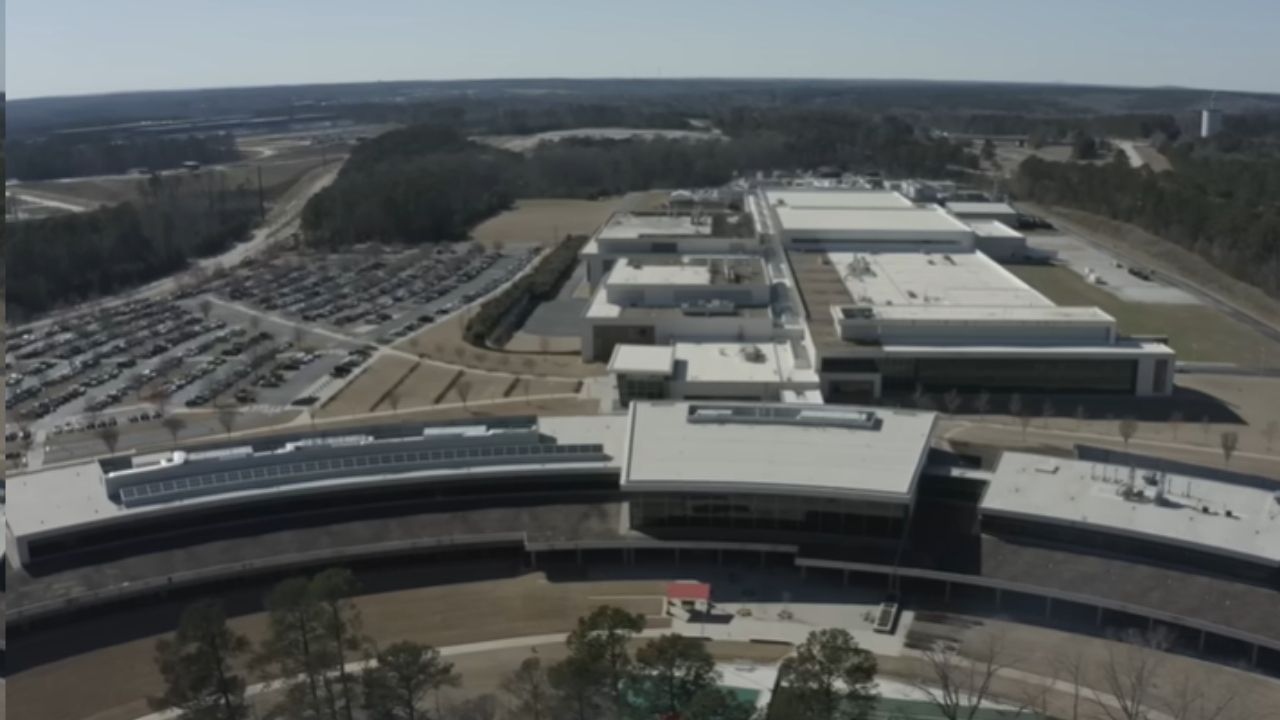
This perception began to change when the Meta data center started occupying the neighboring area. The facility is described in the video as a complex of about 2 million square feet, used to support digital services and tools associated with artificial intelligence. For those using apps, searches, and AI systems, this structure often seems invisible. For the surrounding residents, it has an address, noise, light, and an impact on daily life.
Dust, strong light, and sediment-filled water became part of the routine
According to Beverly, the construction removed trees, altered the landscape, and brought dust to the front of the house. She reports that the lighting of the complex became so intense that residents can move around the house at night without turning on internal lights. What was once a dark and quiet rural environment has turned into an industrial neighborhood.
The most sensitive complaint involves water. The couple claims they started noticing sediments in the well water and low pressure in the faucets. Jeff reports replacing equipment such as the water heater, washing machines, and dishwashers, attributing the damage to material accumulated in the pipes. They say that replacing the well could cost around $20,000, not including lines, toilets, and other repairs.
The debate left the backyard and reached the electricity bill
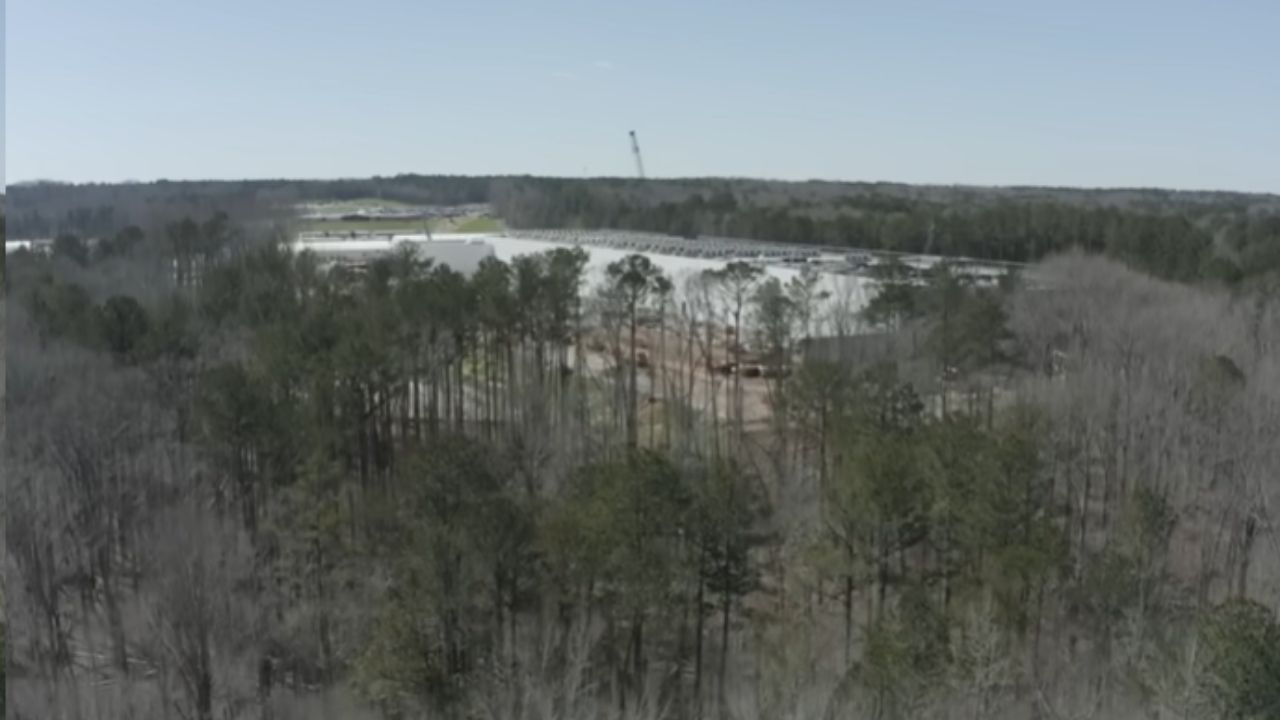
The Morris case connects to a larger discussion about data centers, energy, and artificial intelligence. These facilities require large electrical capacity to keep servers running, cooled, and connected. The report points out that Georgia has become an attractive hub for this type of project by combining relatively cheap industrial energy and tax incentives.
In the video, Patty Durand, introduced as a consumer advocate and energy policy expert, questions whether residential residents should bear part of the infrastructure costs required by data centers.
The debate reached the state Legislature through SB 34, a proposal presented in 2025 to prevent costs associated with supplying energy to data centers from being passed on to residential consumers and small businesses. The project, however, did not advance to a vote within that year’s legislative deadline.
Other residents also report pressure around data centers
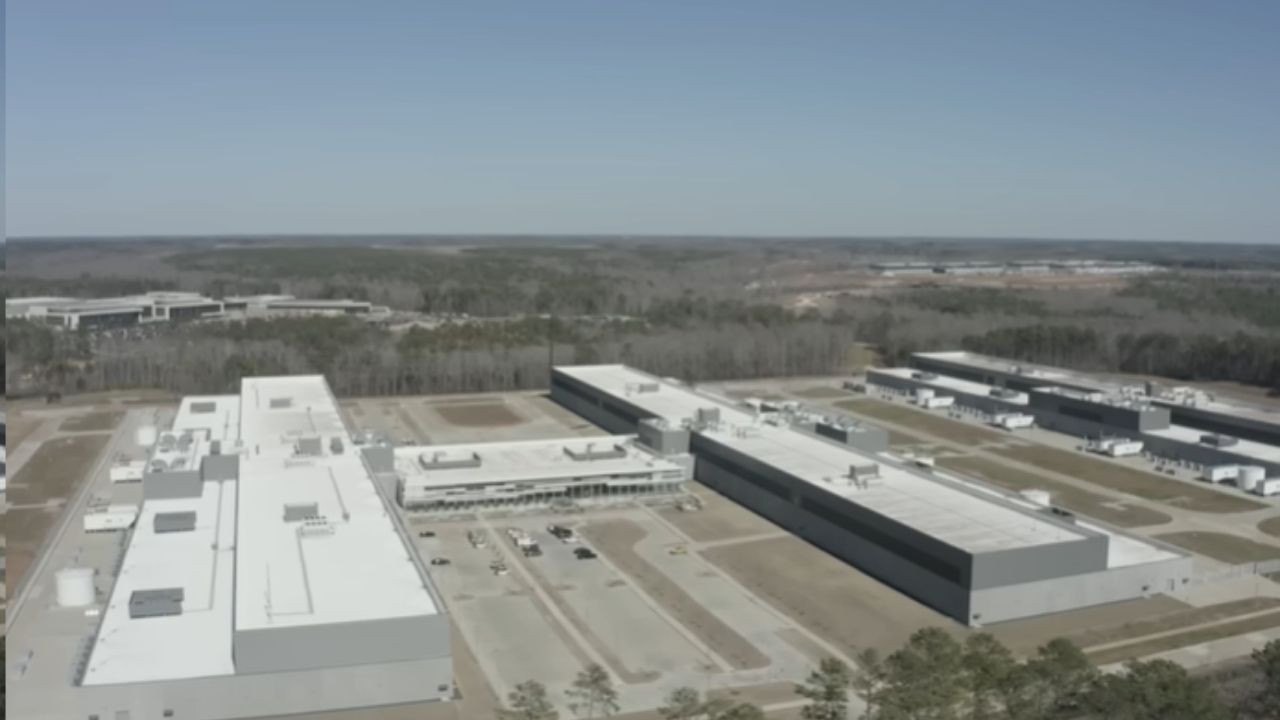
The report also shows residents of Fayette County, another region in Georgia, affected by a data center campus linked to QTS, a company owned by Blackstone. Jean and Joe Marschall, who live on an eight-acre property, report construction around the house, lights during the night, and constant noise at times like 2 AM, 3 AM, and 4 AM.
In Fayette County, the video states that authorities voted in 2022 for the annexation and rezoning of another 412 acres for a data center campus. It also mentions that the area was purchased by QTS for $153.8 million. For residents opposed to the project, the feeling is that decisions were already in motion when public hearings took place.
Local authority defends economic benefits of the project
The report heard from Niki Vanderslice, head of the Fayette County Economic Development Authority. She defended that there was transparency in the process and argued that data centers can bring gains to the community, even when some residents directly feel the negative impacts. The central point, according to her, is balancing local inconveniences with broader economic benefits.
Among the examples cited in the video is the increase in property tax revenue in Fayette County: from $36,000 in 2021 to $1.13 million in 2024, still on raw land. Of this amount, $760,000 would have been allocated to the local education board. The statement shows how the topic divides opinions: on one side, impacted residents; on the other, authorities who see economic expansion and public revenue.
What Meta says and what is still unproven
The direct relationship between Meta’s data center and the water problems reported by the Morris family is contested. In a report by People, the company stated that an independent study indicated that the center does not use groundwater for its activities and that the water flow would follow the opposite direction to the residents’ well, making the installation’s responsibility unlikely.
Therefore, the text cannot state as a proven fact that Meta’s data center caused the water with sediment. What is documented is that residents report problems since the construction’s advancement, associate the damages with the neighboring installation, and that Meta rejects this connection. The dispute is precisely between the everyday experience of those living next door and the technical version presented by the company.
The AI race also occupies physical territory


Artificial intelligence is often presented as something digital, fast, and distant from everyday life. But data centers show that technology depends on land, energy, water, networks, construction, permits, and heavy infrastructure. For users, AI appears on a screen. For neighboring communities, it can appear as trucks, dust, noise, and pressure on local services.
The case of Mansfield raises a question that is likely to grow with the expansion of AI: who should pay for the physical costs of infrastructure used by millions of people? Technology companies, utilities, governments, and local residents still dispute this answer. Technological advancement may be inevitable, but the way it reaches communities should not be invisible.
The invisible cost of artificial intelligence has arrived in residents’ backyards
The story of Beverly and Jeff Morris shows that the expansion of data centers is not just a technology issue. It is also an issue of territory, energy, water, neighborhood, and responsibility. Meta’s data center in Mansfield has become an example of an increasingly common tension: the infrastructure that supports digital life can profoundly change the lives of those who live near it.
In your opinion, should technology companies pay entirely for the energy, infrastructure, and local impacts of their data centers, or are these costs part of the collective price of artificial intelligence? Leave your comment and join the discussion.


