Portuguese
  Spanish


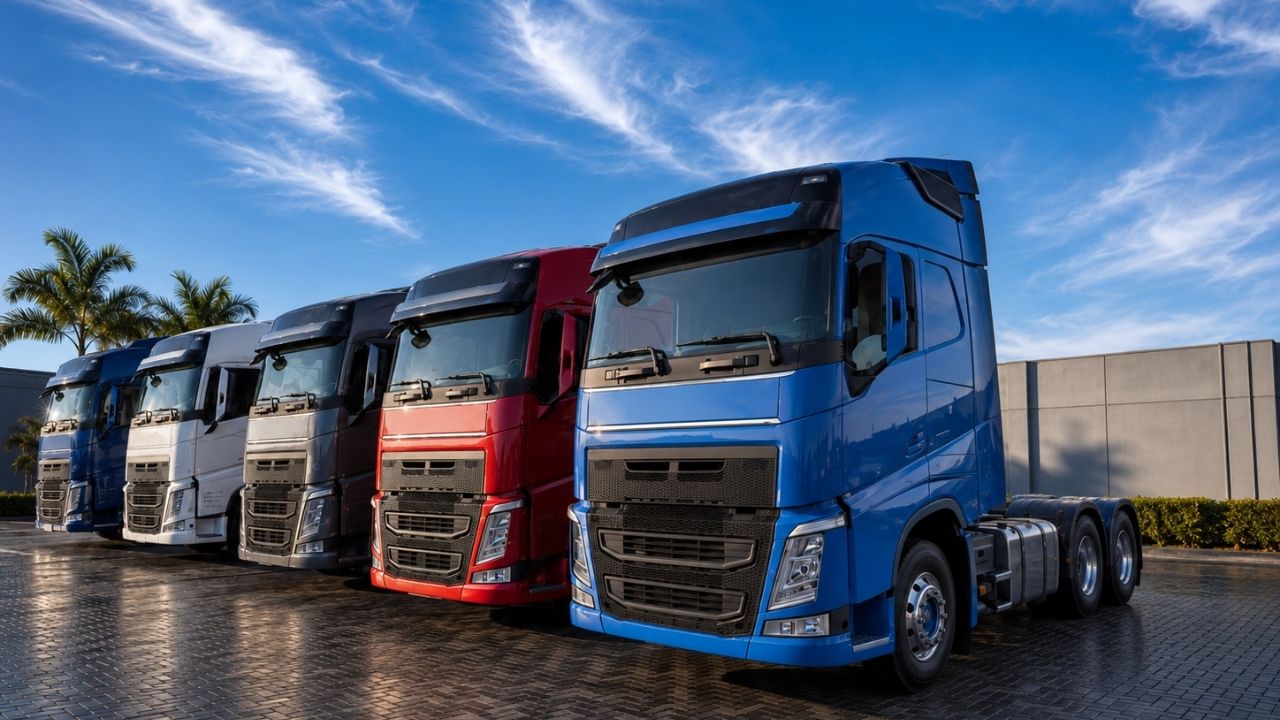

Transport entrepreneur claims that a truck can generate profit, but high installment consumes cash, pressures independent transporter, and requires cost control. The analysis shows margin, financial reserve, cost center, and discipline before financing another heavy vehicle in current Brazilian road freight transport with real family security.
The truck can be a good business for the independent transporter, but it can also become a financial trap when the installment consumes the cash and there is a lack of cost control. The warning was made by a transport entrepreneur in an episode of Café com Tô, when analyzing why many start small and go bankrupt trying to grow fast.
According to a video published by the Café com Tony channel, on April 19, 2026 the reflection addresses road freight transport in Brazil and focuses on the moment when the independent trucker buys the first vehicle, thinks about the second, and risks becoming a debt manager. The video discusses margin, costs, installment, financial reserve, and decisions before financing another heavy vehicle.
The dream of the first truck can hide a dangerous account
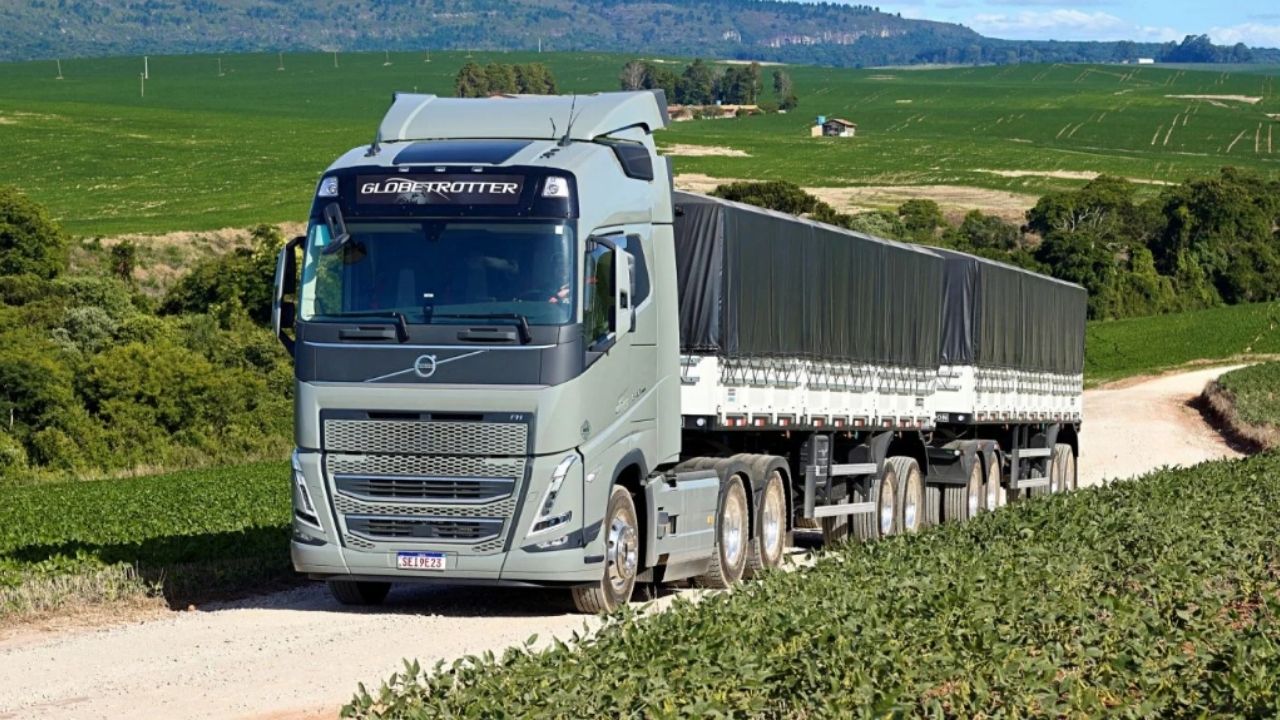
For many truckers, buying their own truck represents independence, control of the routine, and the possibility of growth. The initial logic seems simple: the vehicle earns, pays expenses, and leaves a margin that can become family income or capital to buy another.
-
El Niño Threatens Brazilian Food Production, Economists Predict Rising Prices for Coffee, Corn, and Rice

-
Brazil’s First Freight Railway Built from Scratch, EF-118 Connecting Espírito Santo to Rio de Janeiro, Goes to Auction in October Attracting Chinese Giant in Multi-Billion Dollar Bid for Southeast Rail Network

-
Audit in Rio de Janeiro’s State Government Uncovers Ghost Employees Across All 77 Departments, Leading to Over 4,000 Dismissals and Significant Cost Savings

-
Audit Reveals 80% of Ghost Employees in Rio Government Departments, Leading to Over 4,000 Dismissals and Saving the State $3.3 Million Monthly



The problem begins when this reading becomes too optimistic. Not every good month repeats, not every load maintains the same margin, and not every installment fits in the cash when maintenance, tires, diesel, tolls, and revenue drops arise. It is at this point that the dream can turn into financial pressure.
Independent usually has more margin because they are close to the vehicle
The entrepreneur explains that the self-employed have an advantage over large fleets because they closely monitor the truck. They know noises, tires, maintenance history, routes, risks, and day-to-day decisions with much more agility.
This proximity reduces losses and improves management. While a larger transport company needs systems, an administrative team, and controls to monitor many vehicles, the self-employed usually decide quickly. The margin is born precisely from this direct presence over the equipment and over each cost of the operation.
Each truck needs to function as a separate cost center
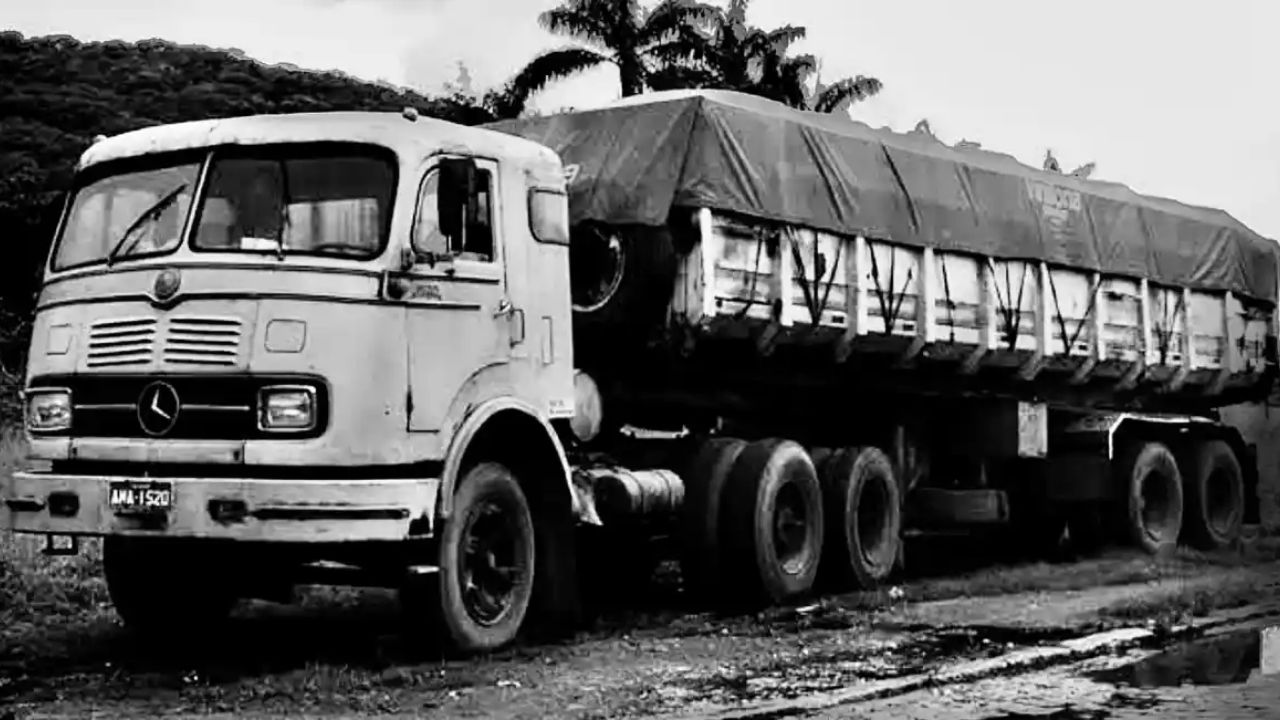
One of the central points of the analysis is to treat each truck as its own unit of revenue and expense. Even in a small company, with two or three vehicles, each truck needs to pay for itself individually, as if it were a branch.
This means separating billing, diesel, tire, maintenance, toll, driver, and direct costs of each vehicle. If the owner mixes everything in one account, they might think the company is profiting while one truck supports another that is already losing money.
The installment is where many transporters get lost
The financing installment appears as the most dangerous point of the operation. According to the analysis, it can be the difference between profit, loss, and bankruptcy. When the owner buys above the real payment capacity, the cash flow starts to work just to cover debt.
That’s when the entrepreneur uses a strong image: the transporter stops being the owner of the business and becomes a debt administrator. The truck keeps running, but the money doesn’t build a reserve, doesn’t strengthen the company, and doesn’t provide security for the family.
Margin is not free money to spend
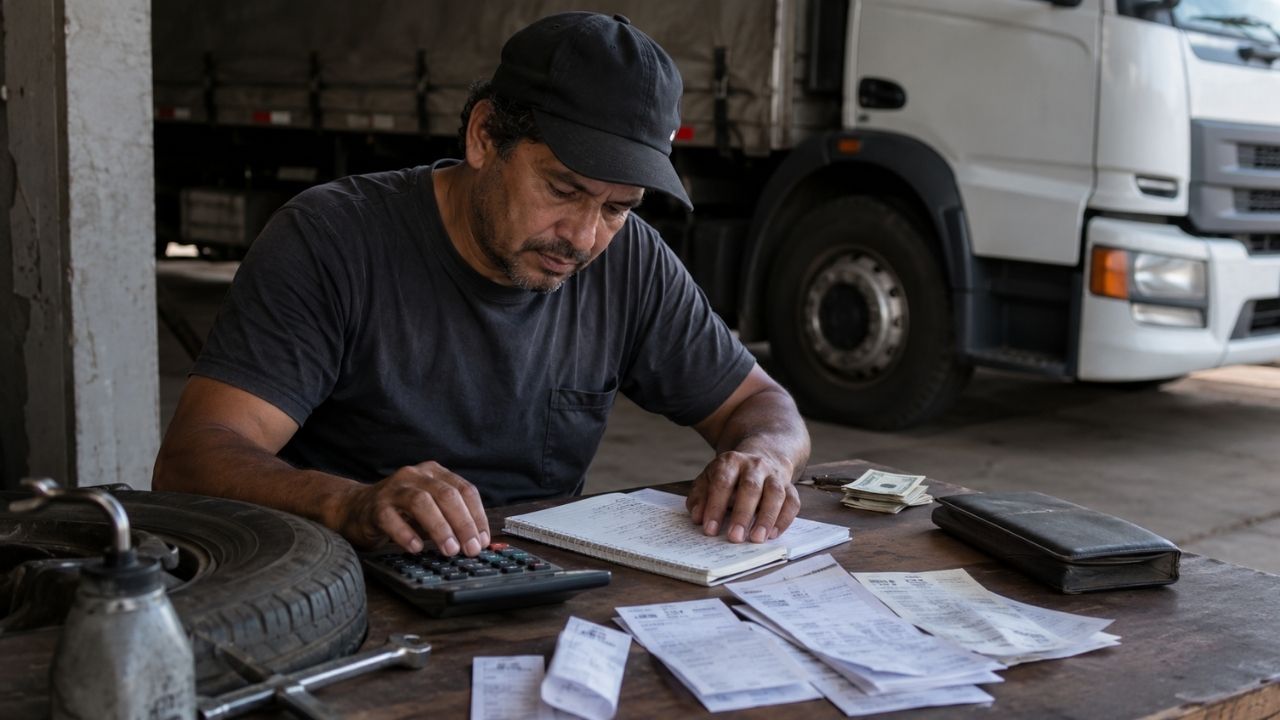
The analysis shows that cash surplus should not be confused with profit available for immediate consumption. If the self-employed had some good months, it does not mean they can take on an installment of the same value as the monthly surplus.
Transportation fluctuates. There are months with more cargo, months with less cargo, unexpected maintenance, tires, price drops, client delays, and changes in diesel prices. Therefore, the money that remains needs to form a reserve before becoming a down payment for another truck.
The account changes when the transporter grows
The first leap, from one to two trucks, may seem easier because the self-employed can still keep track of everything closely. However, as the fleet increases, costs arise that were previously hidden or absorbed by the family itself.
The company starts to need administrative management, customer service, financial control, document issuance, operational monitoring, and more discipline. What was simple when there was only one truck starts to require structure, and this structure consumes margin.
Diesel, tires, and maintenance need to come before the installment
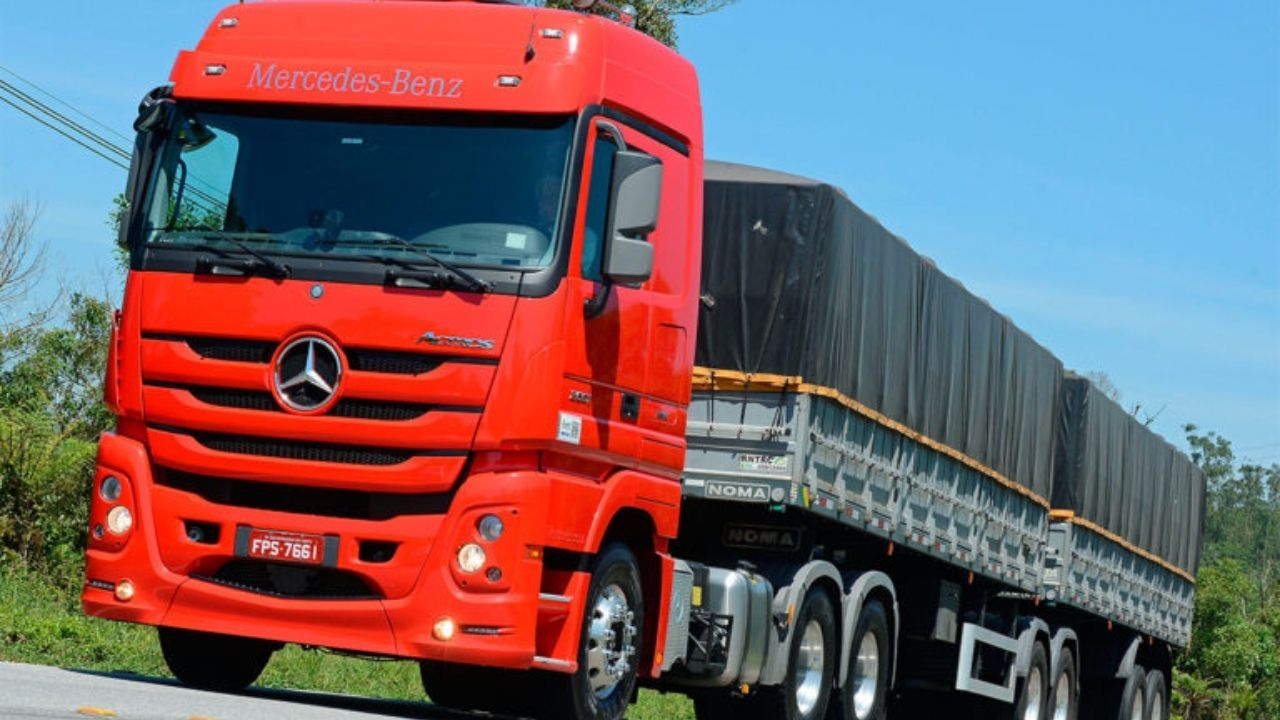
In the presented simulation, the entrepreneur separates direct costs before talking about financing. First come diesel, tires, tolls, maintenance, and driver remuneration. Only then is it possible to see the contribution margin and available cash.
This reasoning avoids a common illusion. The gross revenue may seem high, but it does not show the business’s health. What matters is how much is left after the truck pays the real road costs and still leaves room for the installment without stifling the operation.
Financial reserve is what prevents the family from paying the bill
The most sensitive alert of the analysis appears when the entrepreneur talks about cases where the truck “gives, but also takes.” The phrase summarizes situations where the vehicle generates revenue, but the poorly calculated debt consumes the house, savings, peace, and family assets.
Therefore, the recommendation is to commit only part of the surplus to the installment and keep cash for bad months. Without a reserve, any unforeseen event becomes a loan, delay, renegotiation, or sale of assets to keep the vehicle running.
Paid-off truck helps secure financed fleet
Another important point is the role of paid-off vehicles. A fleet with some trucks free from financing can help sustain payments for newer vehicles, especially during tight margin periods.
The risk increases when everything is financed at the same time. In this scenario, the company has no room for error. When each truck carries a heavy payment, any drop in revenue can cause a domino effect on cash flow.
Growing in transportation requires discipline, not just courage


The entrepreneur does not say that buying a truck is not worth it. On the contrary, he states that it can be a good business when it generates contribution margin and cash. The difference lies in buying responsibly and not just out of excitement.
The decision needs to consider real margin, revenue history, direct costs, financial reserve, interest, term, and risk of a bad month. Growing in transportation requires courage, but courage without cost control can break even those who work hard.
Truck can build wealth or become unrestrained debt
The central message is clear: the truck can generate profit, pave the way for the self-employed to grow and build a transport company, but it can also break the family when the payment comes before the margin, reserve, and cost control.
The warning is for those who dream of buying their first vehicle or financing another heavy one. Do you think it’s worth taking on a high payment to grow faster, or is it better to wait, build cash, and buy more securely? Share your opinion.