Portuguese
  Spanish


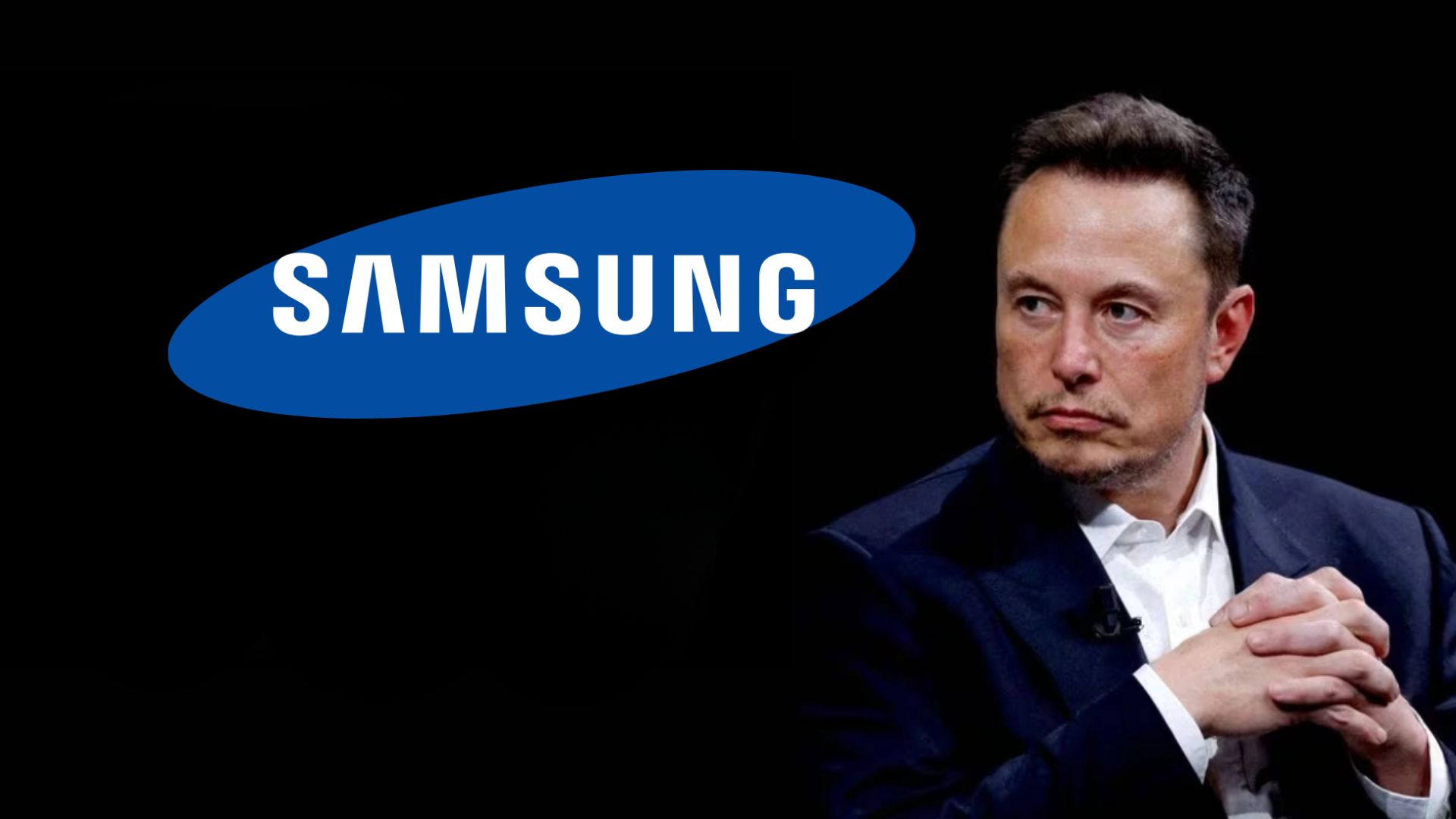


Samsung Signs Historic Agreement with Tesla for Advanced Semiconductor Production in the United States, Marking a New Chapter in the Global Chip Industry and the Future of Autonomous Vehicles.
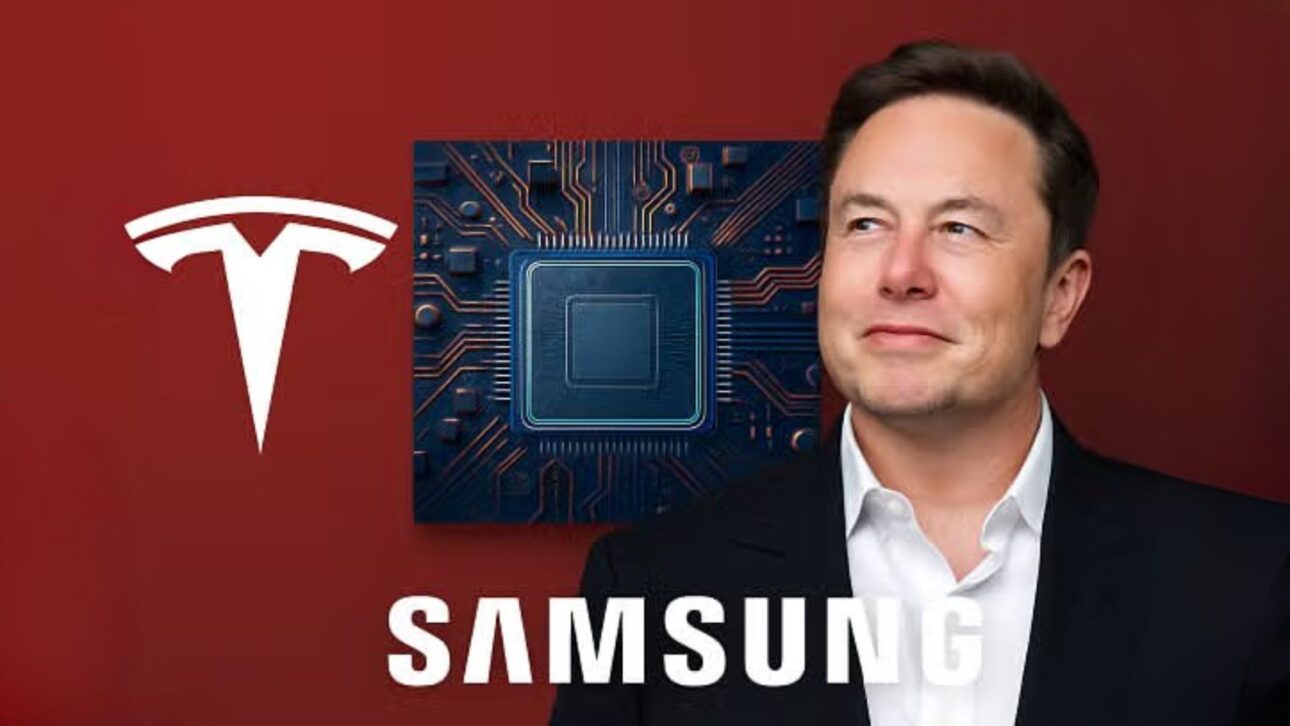
Samsung Electronics has entered into a billion-dollar partnership with Tesla, led by Elon Musk, to accelerate the development of advanced chips for autonomous vehicles.
The agreement, valued at US$ 16.5 billion and set to last until 2033, provides for the construction of a new artificial intelligence (AI) semiconductor factory in Taylor, Texas, focusing on the production of the next-generation AI6 chip, essential for Tesla’s autonomous driving system.
The announcement of the contract was made on Monday, July 28, 2025, and represents a milestone for the global technology sector.
-
China Develops Custom 140-Ton Electric Mining Truck with 770 kWh Swappable Battery, Deploys 290 Units in Xinjiang’s Largest Zinc Mine

-
Meta to Launch Arena, a New Prediction App Targeting 3.56 Billion Users, Competing with Polymarket and Kalshi

-
Scientist Challenges Famous Human Evolution Theory, Argues Homo Sapiens Evolved Gradually Over Thousands of Years
-
15-Year-Old American Builds Ocean Generator with PVC Pipe and 3D-Printed Propeller for $12, Wins National Prize, Presents at White House, and Makes Forbes 30 Under 30 List



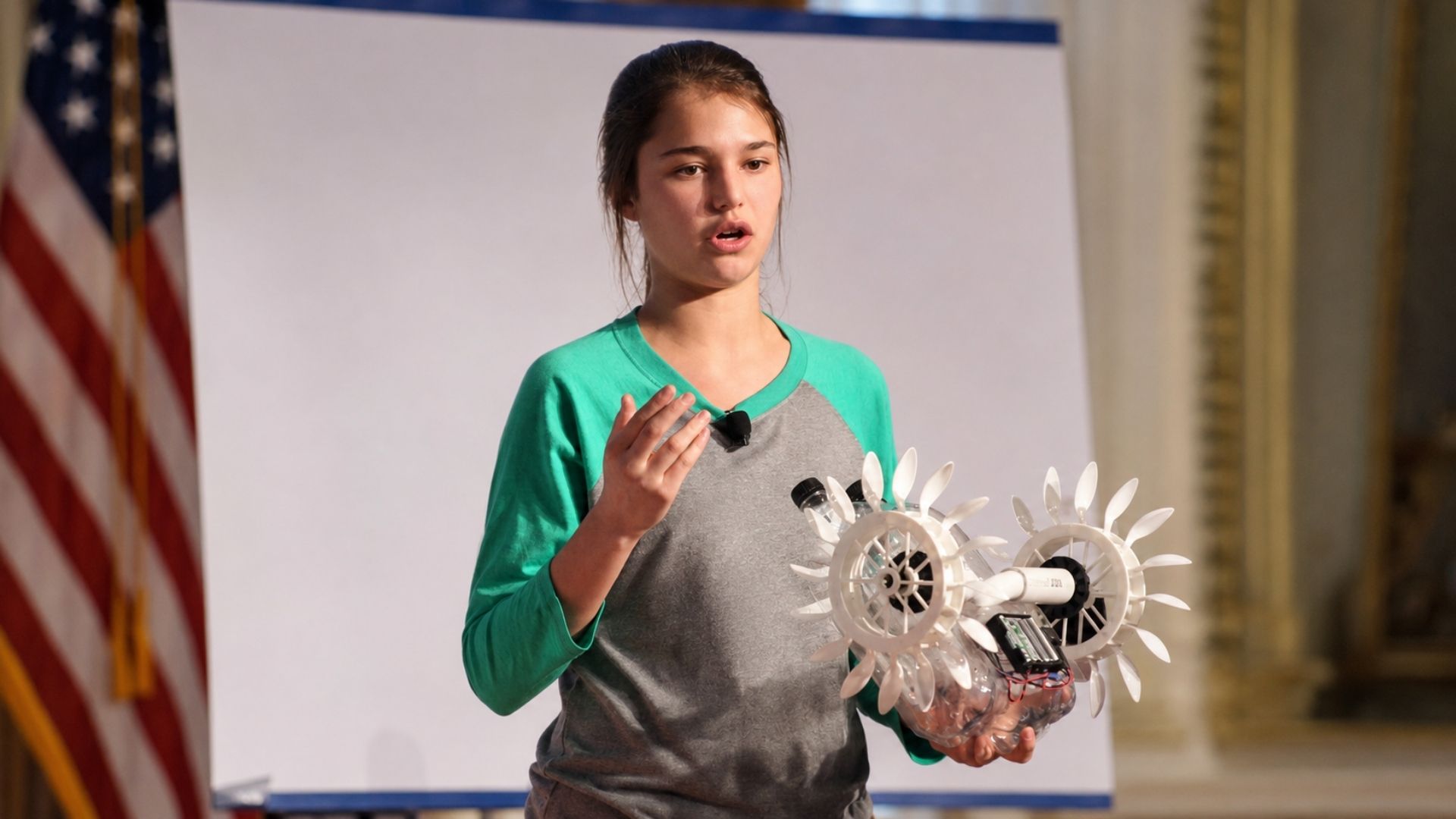
The information was confirmed by Tesla’s president, Elon Musk, via a post on the social media platform X (formerly Twitter), following an initial report by Bloomberg News.
Musk emphasized the strategic importance of the partnership, stating that the initial amount disclosed by Samsung would only be a minimum estimate and that the actual production of the semiconductors could be significantly higher over the years of the contract’s duration.
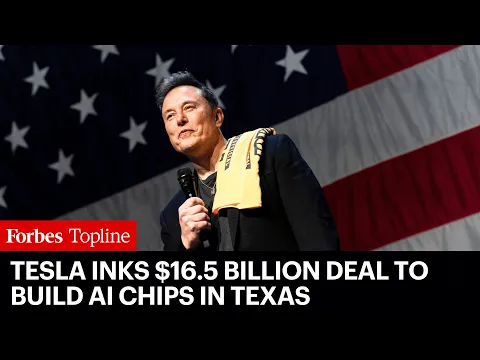

Semiconductor Factory in Texas
The choice of Texas for the new facility reinforces the trend of decentralizing global chip production chains, with companies prioritizing expansion outside of Asia to ensure greater security and technological control.
Samsung already operates in Austin, but the new plant in Taylor will be dedicated exclusively to the production of next-generation AI chips for Tesla, enhancing American prominence in the semiconductor industry.
According to official information, the AI6 chip is central to enhancing the autonomous functions of Tesla’s electric vehicles.
The expectation is that the new production line will allow real-time advancements in the processing and decision-making capacity of autonomous driving systems, raising the safety and efficiency standards of the automaker’s models.
Samsung had previously supplied the AI4 chip to Tesla, but now solidifies its role as a strategic partner in advancing artificial intelligence applied to mobility.
Financial Market Reaction
After the announcement, Samsung’s shares rose by 6.8% on the Seoul Stock Exchange, reaching the highest level since September 2021.
The positive effect also extended to suppliers of the South Korean company, such as Soulbrain Co., whose shares rose by 16% on the same day.
However, the company did not make official comments on the details of the contract, citing confidentiality clauses that restrict the disclosure of commercial information.
The signing of the agreement occurs in the context of internal transition for Samsung.
CEO Jay Y. Lee, recently acquitted of legal charges, leads the company amid challenges faced by its foundry division (manufacturing chips on demand for third parties), marked by underutilization of installed capacity and the postponement, to 2026, of the completion of another semiconductor factory in Texas.
Dispute with TSMC and Global Scenario
The global semiconductor industry is characterized by intense competition among Asian giants.
According to consulting firm TrendForce, Taiwan Semiconductor Manufacturing Co. (TSMC) led the industry with 67.6% of the global foundry market in the first quarter of 2025, while Samsung’s share had dropped to 7.7%.
The contract with Tesla represents a strategic attempt by Samsung to reverse this scenario, strengthening its reputation as a key alternative to TSMC and attracting new global clients.
Industry experts believe that the partnership with Tesla can act as a catalyst for the development of 2-nanometer technologies, considered the next frontier in chip miniaturization and performance.
The production of these components is seen as vital to meet the growing demands for applications in artificial intelligence, autonomous vehicles, and connected devices.
The director of Union Bancaire Privee in Singapore, Vey-Sern Ling, emphasizes that Samsung’s foundry business had been registering results below expectations due to weak global demand.
With the new contract, expectations are for a significant impact on revenue generation and the company’s ability to operate more efficiently.
Ryu Young-ho, an analyst at NH Investment & Securities Co., adds that, although the agreement represents a fraction of annual revenues, it strengthens Samsung’s image in the sector and boosts its international competitiveness.