






 Portuguese
  Spanish
  3 min of reading
  0 comments


Satellite Starlink Reentry Creates Impressive And Frightening Fireball When Burning In The Atmosphere
On the night of November 9, residents of the American states of Colorado, Kansas, Texas, and Oklahoma had an extraordinary sight: a fireball lit up the night. Many people believe it was a meteor, but the truth was even more fascinating – and somewhat concerning. This fireball was actually caused by the reentry of the satellite Starlink -4682 from SpaceX, launched in 2022.
This satellite is part of the fleet of thousands orbiting our planet as part of the ambitious project Starlink, which aims to provide high-speed internet in remote and underserved areas. However, this stunning sight also raised questions about the environmental effects of this space operation.
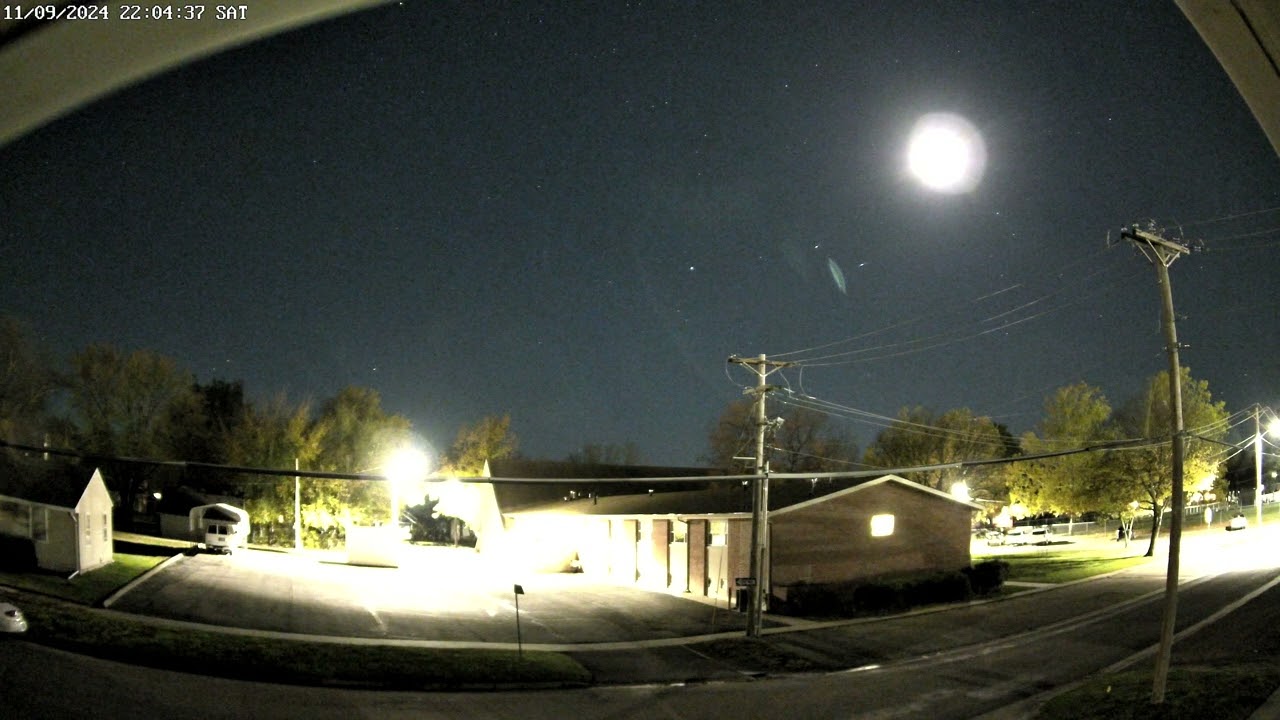
The Celestial Spectacle Of The Starlink Satellite
It was shortly after 10 PM Central Time that witnesses reported the incident. People from various regions – especially in Oklahoma City and Dallas-Fort Worth – stopped to observe what appeared to be a gigantic shooting star. Among the reports, Kevin W. from McKinney, Texas, described the sight as the “best sighting of all time.”
-
A discarded microwave may contain 22-carat gold in internal components; study recovered a 450 mg nugget from electronic boards.

-
Who has the highest IQ: the oldest child, the middle child, or the youngest? A study with 240,000 people published in Science reveals a difference of up to 3.2 points and indicates which position in the family tends to have an advantage.
-
A YouTuber spent almost a year transforming the failed invention into an autonomous flying umbrella: the drone uses a camera and Raspberry Pi to follow the person and protect them from the rain on its own.
-
The first trillionaire in history, Elon Musk notices Brazil and its internet, Starlink, which works even in the middle of nowhere, emerges for just R$ 600, fits in a backpack, operates via satellites, and offers dual-band Wi-Fi with WPA3 security.


In Canton, another witness said it was “the most amazing thing” they had seen in a long time. The fireball still appeared to break into smaller pieces as it fell, a sight worthy of a science fiction movie.
Despite its beauty, the spectacle left some puzzled. Was it really a meteor or was there something more? Jonathan McDowell, an astronomer at the Harvard-Smithsonian Center for Astrophysics, provided the answer: it was the Starlink-4682 returning to Earth. These reentries of Starlink satellites are not rare, but according to McDowell, only a few are visible like this one was.
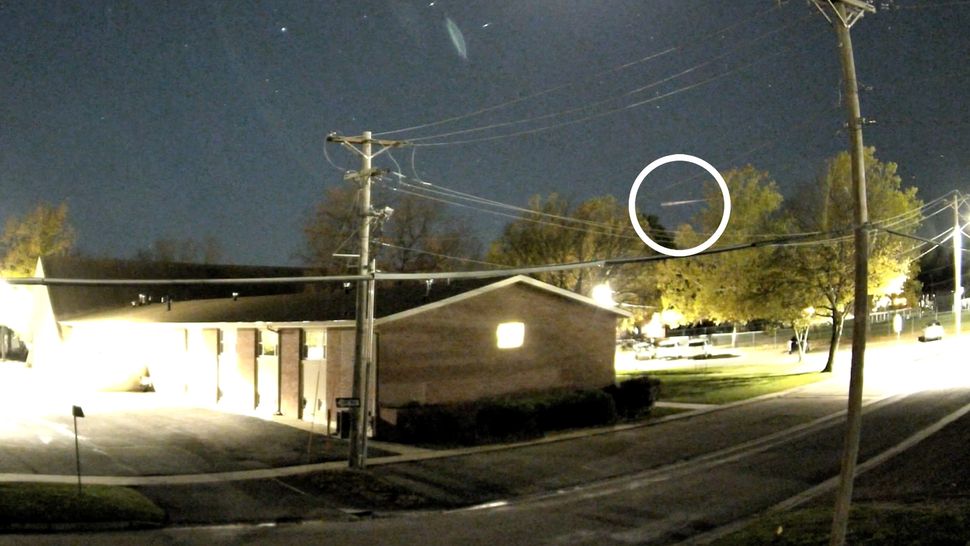
The Hidden Side Of Starlink Satellites
With so many satellites being launched eventually and returning to Earth, some scientists have begun to raise concerns about the possible impacts of these frequent reentries. Each time a Starlink satellite reenters the atmosphere, it releases aluminum oxides, substances that can harm the ozone layer and interfere with the planet’s ability to reflect sunlight. “If we don’t suffer anything, we will see the impact globally in the next 10 years,” announced Minkwan Kim, a professor of astronautics at the University of Southampton.
These particles, released to heat in the atmosphere, can increase the temperature of the upper layers and affect global weather. Although this appearance of reentries is not new, the frequency with which it occurs today, due to the large number of Starlink satellites, is raising red flags among scientists.
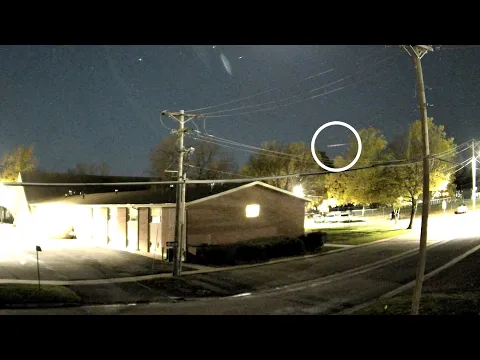

A Glimpse Into The Future
As more satellites continue to be launched, the night of November 9 served as a visible reminder of what is happening above our heads. The fascinating sight that captivated residents of four U.S. states also brings a more serious message about the consequences of technological progress. As space enthusiasts, we are invited to ask ourselves: does the beauty of the lights in the sky outweigh the impact they may have on our planet?
As we contemplate these advancements, we need to find ways to balance innovation with environmental preservation. After all, Earth is our home and deserves our care and respect, even as we explore the wonders beyond it.


Be the first to react!