Portuguese
  Spanish


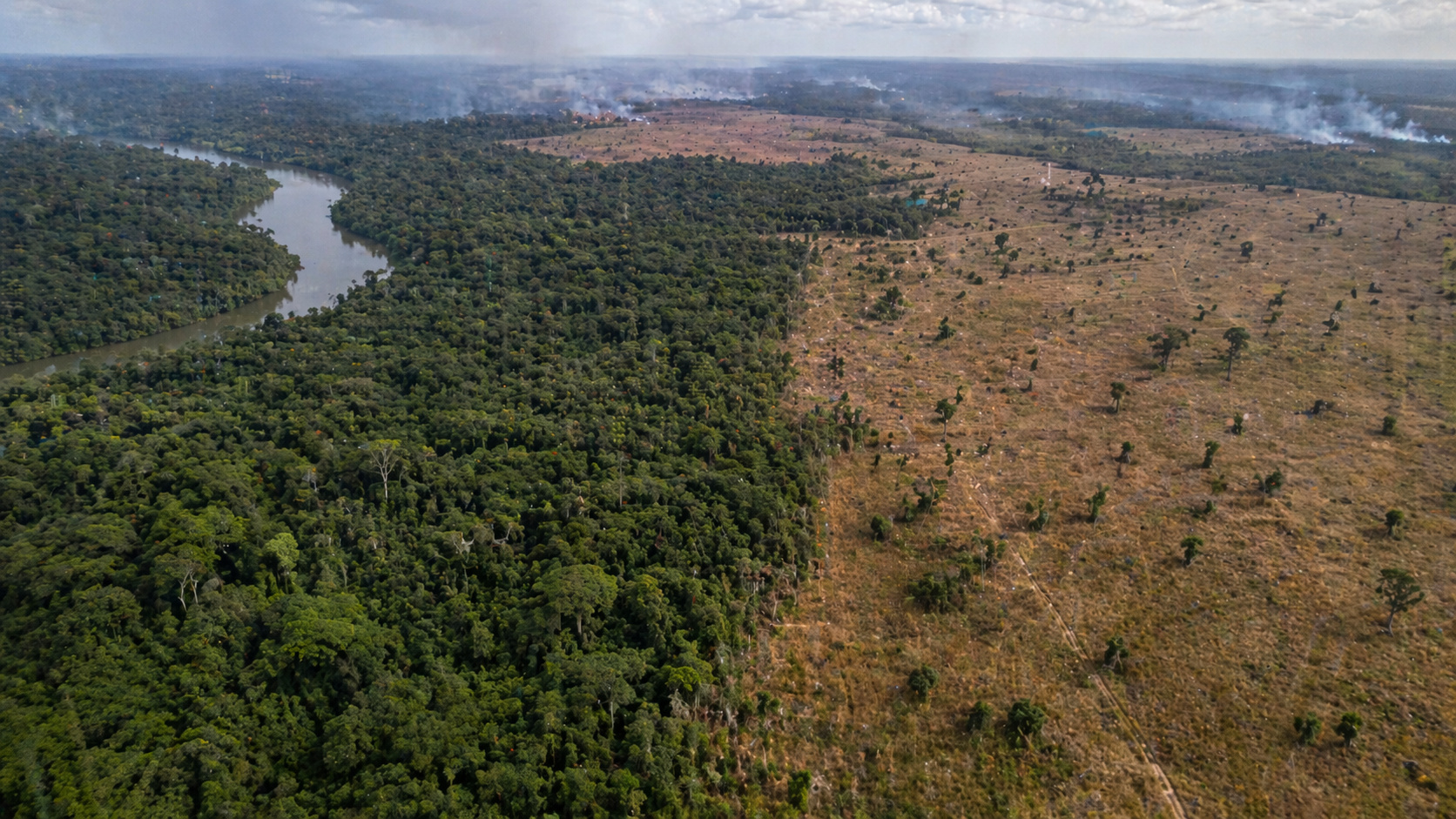

Studies indicate that up to 47% of the Amazon could collapse by 2050, affecting rain in Brazil and transforming the forest into savanna.
On December 10, 2025, studies published in scientific journals linked to the Proceedings of the National Academy of Sciences and on platforms associated with Nature Communications Earth & Environment consolidated one of the most concerning scenarios ever projected for the largest tropical forest on the planet: up to 47% of the Amazon could be exposed to simultaneous environmental conditions capable of triggering an irreversible degradation process by 2050. Researchers emphasize that this process does not depend on a single isolated factor. On the contrary, it arises from the combination of multiple environmental stresses, including deforestation, rising temperatures, reduced rainfall, and wildfires, which act simultaneously on the ecosystem.
According to the analyses, these factors could push the forest beyond a critical limit, known as the tipping point, where the ecological structure can no longer sustain itself.
What does the transition of the Amazon to savanna mean and why is it considered irreversible
The transformation of the Amazon into savanna does not simply mean the replacement of trees with shorter vegetation. It is a profound structural change in the functioning of the ecosystem.
-
Brazilian Researchers Develop Cost-Effective Method for Key Component of Green Hydrogen Electrolyzers, Enhancing Energy Efficiency and Equipment Longevity

-
1,700-Year-Old Roman Mosaic Discovered by Farmer Planting Cherry Trees in Turkey

-
Brazil launches $1.9 billion plan in response to El Niño, issuing national extreme heat alert and bolstering public health system

-
Polyformer Machine Converts PET Bottles into 3D Printer Filament, Reducing Costs and Expanding to Over 50 Countries


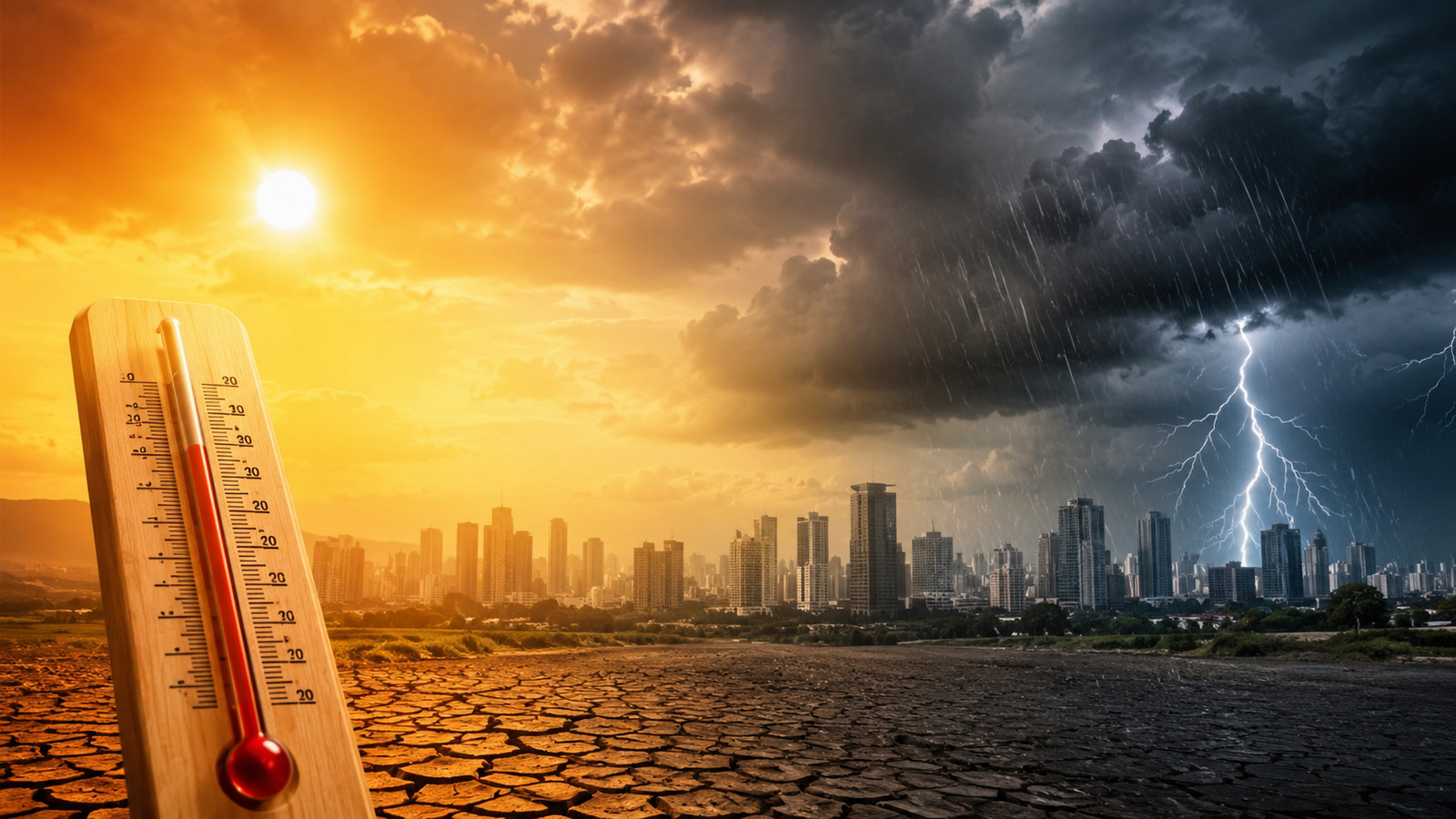



The Amazon rainforest relies on a highly efficient water recycling cycle. Large trees release vapor into the atmosphere through evapotranspiration, contributing to cloud formation and the maintenance of rainfall. When forest cover decreases, this cycle begins to fail.
The reduction of vegetation decreases air humidity, reduces rainfall, and increases local temperature, creating conditions that hinder forest regeneration. This process can lead to replacement by vegetation more resistant to drought, characteristic of savannas. Once initiated, this process tends to be self-reinforcing, making recovery of the original ecosystem extremely difficult.
The critical role of the Amazon in the hydrological cycle of Brazil and South America
The Amazon does not only influence its own territory. It plays a central role in the climate of all of South America.
The so-called “flying rivers” — flows of water vapor transported by the atmosphere — carry moisture from the forest to other regions of the continent.
This system is responsible for sustaining rainfall regimes in areas such as the Midwest, Southeast, and South of Brazil, in addition to influencing neighboring countries.
The reduction of the forest may compromise this mechanism. Studies indicate that the partial collapse of the Amazon may result in significant reductions in rainfall in strategic agricultural regions, with a direct impact on food production, energy generation, and water supply.
Climate models show that the beginning of the collapse may occur still this century
In addition to projections for 2050, studies also indicate that the first signs of ecological transition may occur still this century, depending on the intensity of environmental pressures.
Land system models used by scientists indicate that the combination of global warming and deforestation may accelerate this process.

This means that the critical point may be reached sooner than expected if current conditions intensify.
The analysis of historical data and future simulations reinforces that the Amazon is approaching sensitive ecological limits, where small changes can trigger large-scale transformations.
Simultaneous stresses increase the risk of forest system breakdown
One of the most relevant aspects of recent studies is the concept of simultaneous stresses. Traditionally, environmental analyses considered isolated factors, such as deforestation or climate change.
However, the latest research shows that the interaction between multiple factors significantly increases the risk of collapse. Among the main stresses identified are:
- Increase in average temperature
- Reduction in rainfall
- Fragmentation of the forest
- More frequent fires
- Continuous anthropogenic pressure
The combination of these elements creates a scenario in which the forest loses resilience, becoming more vulnerable to abrupt changes.
Economic, environmental, and social consequences can be wide-ranging
The possible collapse of the Amazon is not just an environmental issue. It has direct implications for various sectors.
Brazilian agriculture, for example, heavily depends on the rainfall regime influenced by the forest. Changes in this pattern can affect harvests, productivity, and food security.
Additionally, the reduction of water availability can impact hydropower generation, which represents a significant portion of the country’s energy matrix.
The combined effect of these changes can generate large-scale economic impacts, affecting production chains and infrastructure.
The Amazon as a global climate system and not just regional
The importance of the Amazon goes beyond the borders of South America. The forest acts as one of the planet’s main climate regulators, influencing carbon cycles, temperature, and atmospheric circulation.
The loss of a significant part of the Amazon can increase the concentration of greenhouse gases in the atmosphere, intensifying global warming.
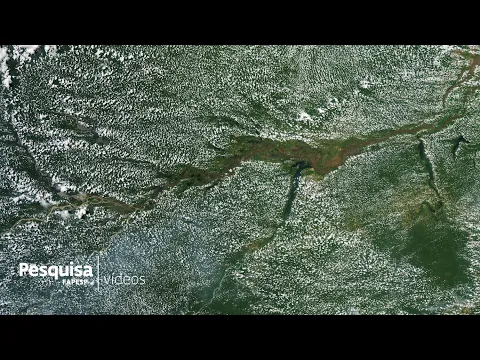
This happens because the forest stops absorbing carbon and starts releasing more CO₂, especially in degraded or burned areas.
Scientific evidence reinforces the urgency of monitoring and action
Studies published in 2025 reinforce the need for continuous monitoring of the Amazon. Remote sensing tools, climate models, and ecological analyses have been used to identify early signs of change.
The identification of degradation patterns allows for anticipating possible breaking points, although uncertainties remain about the exact pace of the process.
Researchers emphasize that the projected scenario is not inevitable in its entirety but depends on future trajectories of land use and global emissions.
Do you believe that the climate system can absorb changes of this magnitude without irreversible global effects?
The case of the Amazon represents one of the greatest tests ever faced by the Earth’s climate system. The possibility of an irreversible transition in an ecosystem of this scale raises questions about the limits of environmental resilience and human adaptation capacity.
The forest is not just a collection of trees, but a complex system that supports essential processes for climate balance. In light of recent scientific evidence, the discussion is no longer just environmental and begins to involve water, food, and economic security on a continental scale.
The central question remains open: to what extent is it still possible to prevent fundamental natural systems from exceeding limits beyond which there is no return.