Portuguese
  Spanish


Tool “Is This AI Right?” analyzes messages, images, videos, and audios to check fake news directly on WhatsApp
A significant social impact technological innovation was recently developed by students from the University of São Paulo (USP), attracting attention both inside and outside Brazil.
Moreover, a chatbot with artificial intelligence was created to combat misinformation on WhatsApp, using advanced analysis of digital content.
Still, at the beginning of this year, the project won an international award, which reinforces its relevance on the global stage.
-
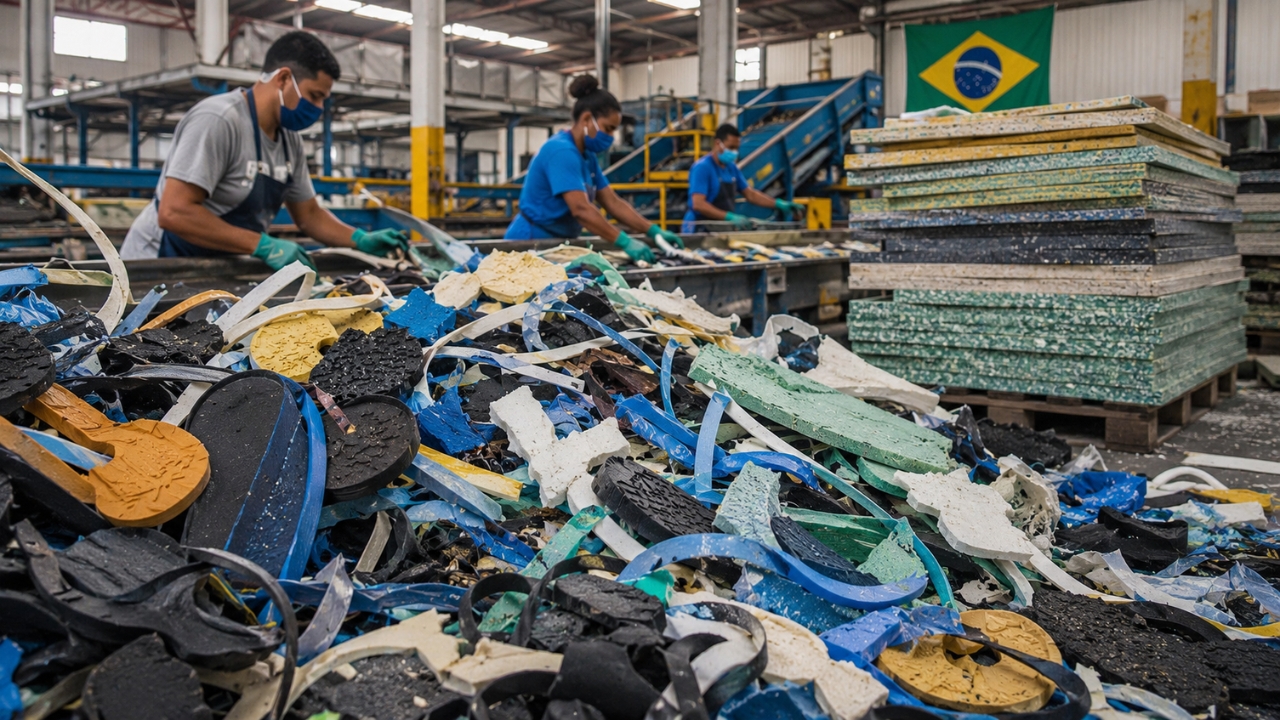
The industrial waste that even recyclers didn’t want has gained value in the interior of Bahia: two entrepreneurs invested R$ 2.8 million to transform 350 tons per year of foam, rubber, and plastic into boards that can replace wood and MDF.

-
What is a red flashlight used for, after all? See why it is so commonly used at night.

-
He has never read a line of code, but he already knows how to work: the French company UMA presented in Paris the Northstar, its first AI-powered humanoid robot designed for factories and warehouses, capable of copying tasks just by observing an employee in action.

-
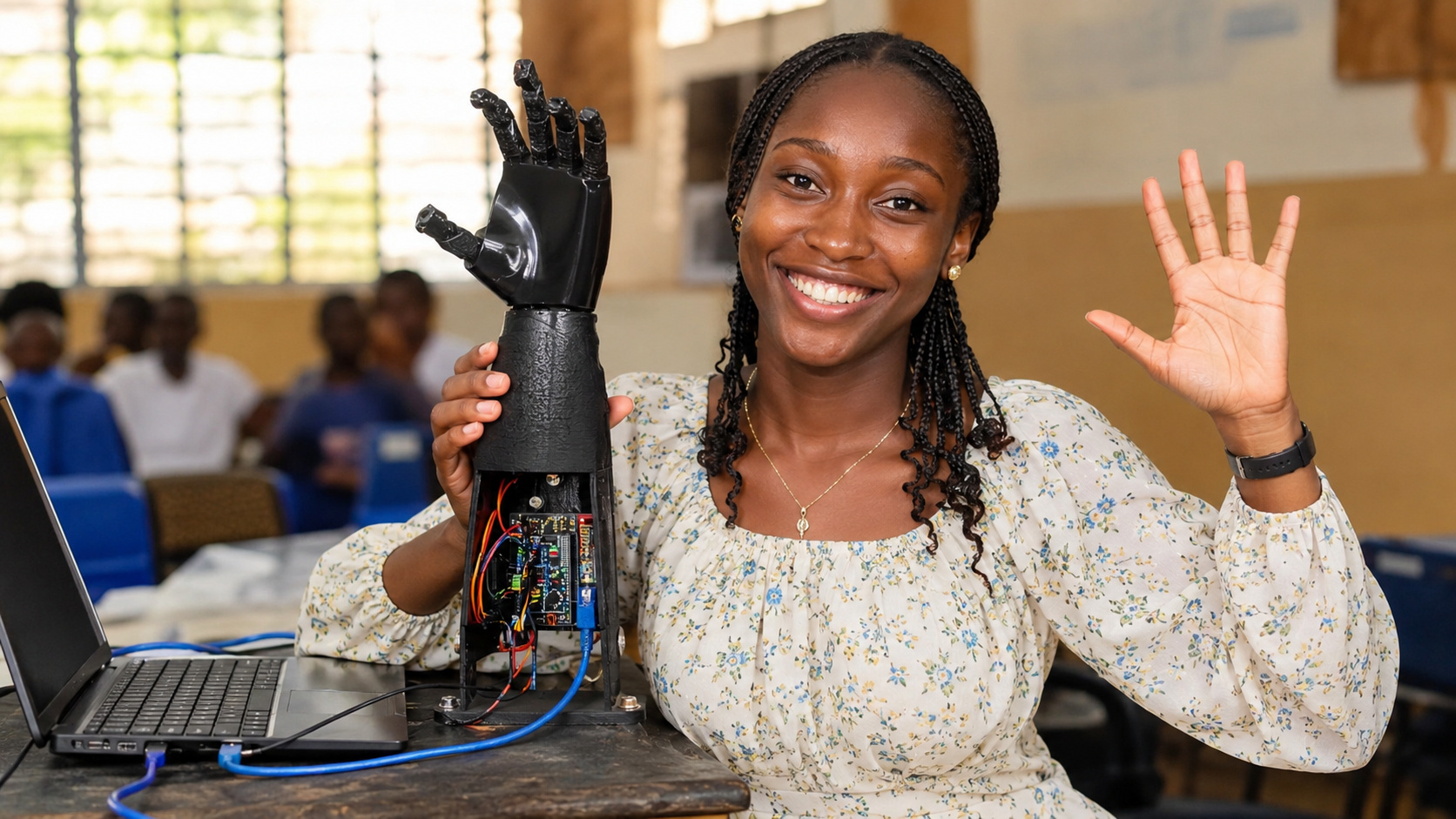
A young Kenyan engineer collects plastic waste from the streets and transforms it into robots that translate physics lessons into sign language in real-time, a machine made with old bottles that teaches what was missing to deaf children left out of science.


As a direct result, the students were invited to represent Brazil in the United States last month, according to information from Jornal da USP.
Development of the chatbot and international recognition
In this sense, the chatbot named “Is This AI Right?” was created by USP students as part of an academic initiative.
Additionally, the tool won first place in the AI4Good Program, held during the Brazil Conference.
At the same time, the event is organized by Brazilian students in the United States, which increases its international visibility.
Furthermore, the project stood out among about 170 submitted proposals, highlighting its competitiveness.
On the other hand, only eight initiatives were selected for the monitoring and acceleration phase.
Thus, the solution was considered the best among all participants, consolidating its prominent position.

Multimodal technology enhances the fight against fake news
Additionally, the chatbot uses multimodal artificial intelligence, which allows it to analyze various content formats.
In other words, the tool processes texts, audios, videos, images, and stickers, enhancing its verification capability.
Thus, the system combines this information to determine whether a message is true or false.
Next, the response is quickly provided to the user.
Therefore, the chatbot indicates which data is verifiable, in addition to highlighting what is true or false.
Moreover, the sources used in the analysis are also presented, which increases transparency.
Origin of the project and accelerated development
At the same time, the chatbot emerged from the extension project Artificial Intelligence Advancement Network (Raia), from USP.
In this context, the proposed theme was “Solutions to mitigate the impact of fake news on society”.
Surprisingly, the students had only 10 hours to develop the initial proposal.
Even so, despite the limited time, the project was structured and ended up being the winner of the competition.
How the chatbot works on WhatsApp
Additionally, the operation of “Is This Right AI?” occurs directly on WhatsApp, facilitating access.
Use in private chat
First, the user can add the number 35 8424-8271 to contacts or access the service link.
Next, it is possible to forward any suspicious content for analysis.
That is, texts, links, images, videos, audios, or stickers can be sent.
Shortly after, the system returns with the verification in a few moments.
Use in WhatsApp groups
Moreover, the chatbot can be added to groups.
In this case, just tag the @ of the bot in a message considered questionable.
Thus, the analysis occurs within the conversation itself.
As a result, all participants can see the response.
Impact on combating misinformation
Finally, the tool developed by USP students demonstrates how artificial intelligence can directly act in combating fake news.
Additionally, by functioning within WhatsApp, the chatbot makes verification more accessible for users.
In this way, the solution presents itself as a practical alternative to reduce the circulation of false information.
With international recognition and direct application in digital everyday life, to what extent can tools like this transform the way we deal with misinformation?