






 Portuguese
  Spanish


Scientists collected bacteria from the deep ocean and discovered that 80% of them are completely invisible to the human immune system — and this could revolutionize cancer treatment
In the deep ocean, thousands of meters below the surface, there are deep-sea bacteria that have evolved in total isolation for millions of years.
When researchers from the Schmidt Ocean Institute collected these bacteria and exposed them to the mammalian immune system, they discovered something extraordinary: more than 80% of them were completely invisible to the body’s defense system.
In other words, these deep-sea bacteria possess “immuno-silent” properties — they don’t attack the body, don’t benefit it, and are simply not detected by the immune system.
-
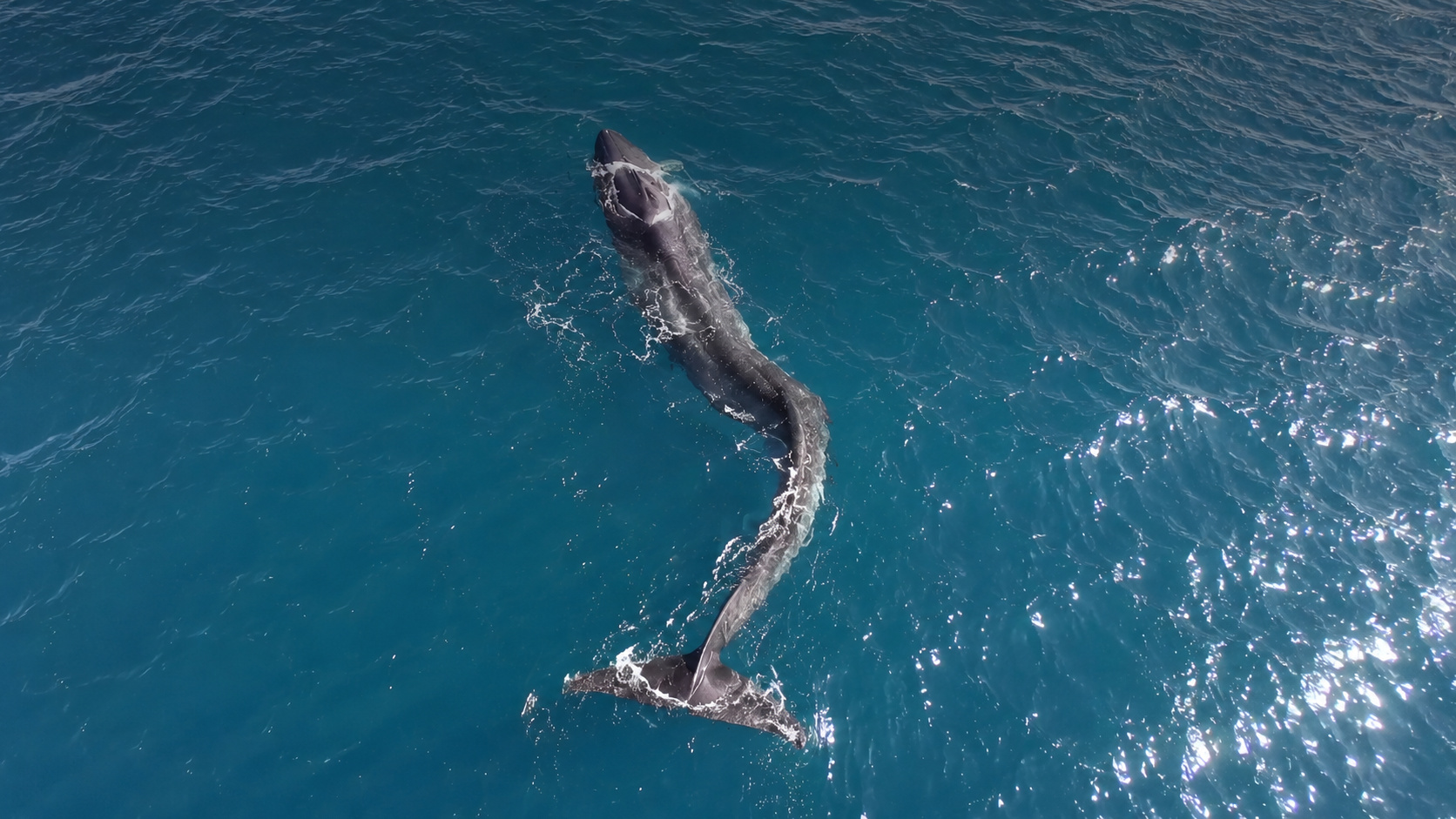
Whale with Scoliosis Spotted in Spain, Baffling Experts After Being Mistaken for Entangled Animal

-
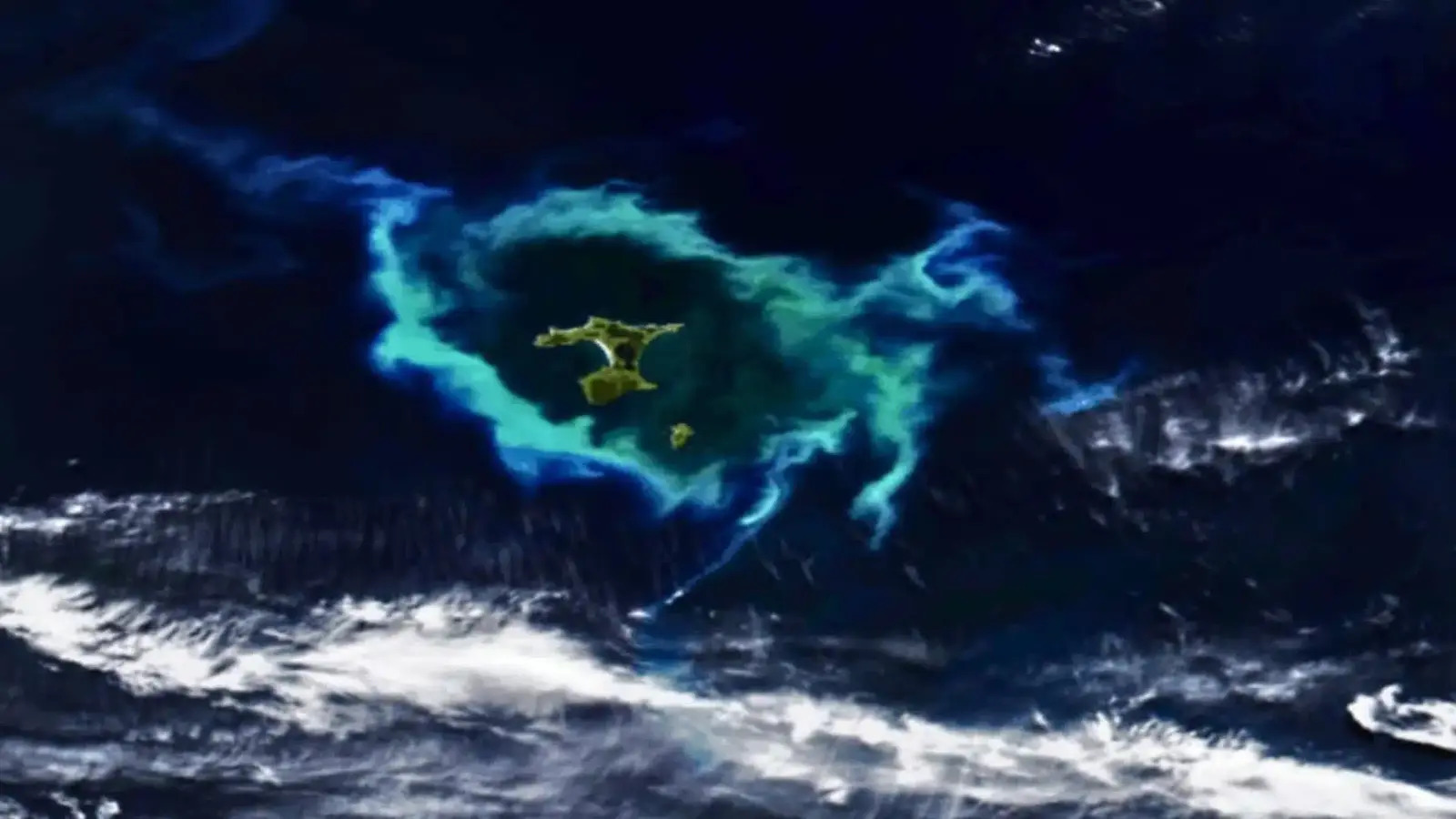
Giant Phantom Halo Appears Around Remote Pacific Islands, NASA Reveals It’s Created by Tiny Marine Organisms

-
Son of Poor Farmers Fled Home Four Times Seeking Work, Founded Hyundai, and Transformed It into a Global Industrial Giant in Over 190 Countries
-
Scientists Develop Method to Store Wind and Solar Energy by Liquefying Air for On-Demand Power Generation



Consequently, this unique characteristic opens a revolutionary door for medicine: using components of these bacteria as vehicles to deliver anti-cancer drugs directly to tumors — without the immune system intercepting them.

How deep-sea bacteria trick the immune system
The human immune system has evolved over millions of years to recognize and attack any invading organism — viruses, bacteria, fungi, parasites.
However, deep-sea bacteria have never had contact with mammals. Thus, their molecular components are so different from anything the immune system knows that they simply go unnoticed.
According to the Schmidt Ocean Institute, researchers tested dozens of microorganisms collected from abyssal depths and found that more than 80% possess immuno-silent properties.
In practice, it’s as if these bacteria use natural camouflage that makes them invisible to the human body’s defenses.
What deep-sea bacteria have to do with cancer
The most promising application of the discovery is in oncological treatment.
Furthermore, one of the biggest challenges of chemotherapy is that drugs attack both cancerous and healthy cells — causing devastating side effects such as hair loss, nausea, and immunosuppression.
Thus, if scientists can package anti-cancer drugs inside components of these deep-sea bacteria, they could create a delivery system that passes through the body undetected — and releases the drug only when it reaches the tumor.
Consequently, the treatment would be more precise, with fewer side effects, and potentially more effective.
This line of research connects to recent advances in understanding how the human body works in ways that medicine had not yet explored, such as the discovery that doctors cut a tissue for centuries without knowing it was an organ.

Vaccines and immunotherapy: the other application of deep-sea bacteria
In addition to drug delivery, immuno-silent properties pave the way for another field: the development of vaccines and immunotherapies.
Firstly, bacterial components that do not provoke an immune reaction can be used as adjuvants — substances that enhance the response to a vaccine without causing excessive inflammation.
Furthermore, the ability to “pass invisibly” through the immune system can be used to reprogram immune cells against tumors — an approach already tested in the laboratory with bacteria from other origins.
The difference is that deep-sea bacteria offer a completely new molecular repertoire, never before accessed by medicine.
Just as the Greenland shark went 400 years without developing cancer and is helping scientists understand cancer resistance, abyssal bacteria may hold answers that the Earth’s surface never offered.
The scale of what the deep sea hides — and what medicine has never accessed
To get an idea of the dimension of this discovery, consider that oceans cover 71% of the Earth’s surface. Furthermore, more than 80% of the ocean floor has never been explored — or even photographed.
Consequently, the deep-sea bacteria tested by the Schmidt Ocean Institute represent only a microscopic fraction of what exists in the depths.
In practice, if 80% of the microorganisms from a single expedition possess immuno-silent properties, the total amount of potentially useful compounds for medicine is incalculable.
Indeed, estimates suggest that there are more than 10 million microbial species in the ocean — most of them never cultivated in the laboratory. Thus, each expedition to the deep sea can reveal molecules that the pharmaceutical industry never imagined.
The pharmaceutical race for the deep ocean
Large pharmaceutical companies have already begun to look to the deep ocean as a source of new medicines. For example, compounds derived from marine organisms have already led to approved drugs for the treatment of cancer, chronic pain, and resistant infections.
However, most of these compounds came from shallow waters — corals, coastal sponges, and algae. Deep-sea bacteria represent a completely unexplored territory for the industry.
Furthermore, the fact that these microorganisms evolved under extreme pressures — hundreds of atmospheres, without light, at temperatures of 1-4°C — means that their enzymes and proteins can function in conditions where conventional compounds fail.
In practice, this opens possibilities for more stable drugs that require less refrigeration and function in hostile environments of the human body — such as the interior of solid tumors, where acidity and lack of oxygen destroy many medications before they can act.
Even so, the distance between a laboratory discovery and an approved medicine is enormous — typically 10 to 15 years and billions of dollars. Therefore, deep-sea bacteria will not cure cancer tomorrow. However, they may have just opened a door that medicine didn’t even know existed.
The limitations that science recognizes — and the path yet to be traveled
Despite the potential, the research is still in its early stages.
Tests were conducted in the laboratory with mammalian cells, not in humans. Therefore, the efficacy and safety of these applications require years of clinical trials before reaching any patient.
Furthermore, collecting deep-sea bacteria is expensive and logistically complex — requiring expeditions with high-cost research vessels and equipment.
Even so, the fact that 80% of the microorganisms tested possess the immuno-silent property suggests that the deep ocean may be the largest unexplored pharmaceutical laboratory on the planet.
The question the discovery raises is provocative: if the deep sea hides molecules capable of tricking the human immune system — how many cures are buried 4,000 meters deep waiting to be found?


