Portuguese
  Spanish


The new human-computer interface system uses precision sensors to convert finger movement patterns into encrypted binary data.
A team of scientists has created an innovative method that allows digital data to be stored directly on the human body, transforming skin and hand movements into memory devices.
The technique uses advanced sensors and processing algorithms to encode binary signals through specific gestures and finger positions. This advance in human-computer interaction makes it possible to store information using hands, eliminating the exclusive dependence on external devices such as pen drives or memory cards for rapid data transfers. The study points to a future where biology and digital technology merge to create secure and intuitive personal storage solutions.
How gestural data encoding works
The process is based on capturing muscle movements and the natural conductivity of the skin to record bit sequences. By performing a series of coordinated gestures, the user can “write” information into a reception system that interprets variations in pressure and movement as digital data. The ability to store information using hands is achieved through a special glove equipped with high-precision sensors that translate body language into binary code.
-
Brazilian Engineer Who Grew Up Without Electricity Develops Software, Expands AltoQi to 67,000 Clients, Aiming for $21 Million by Digitizing Brazil’s Construction Industry

-
Spain Launches World’s Largest Floating Dry Dock: 56-Meter Giant Produces Massive Concrete Structures in A Coruña Using Technology Proven in Brazil

-
AI-powered toys that talk, recognize faces, and collect data face scrutiny from Brazilian government over children’s privacy concerns

-
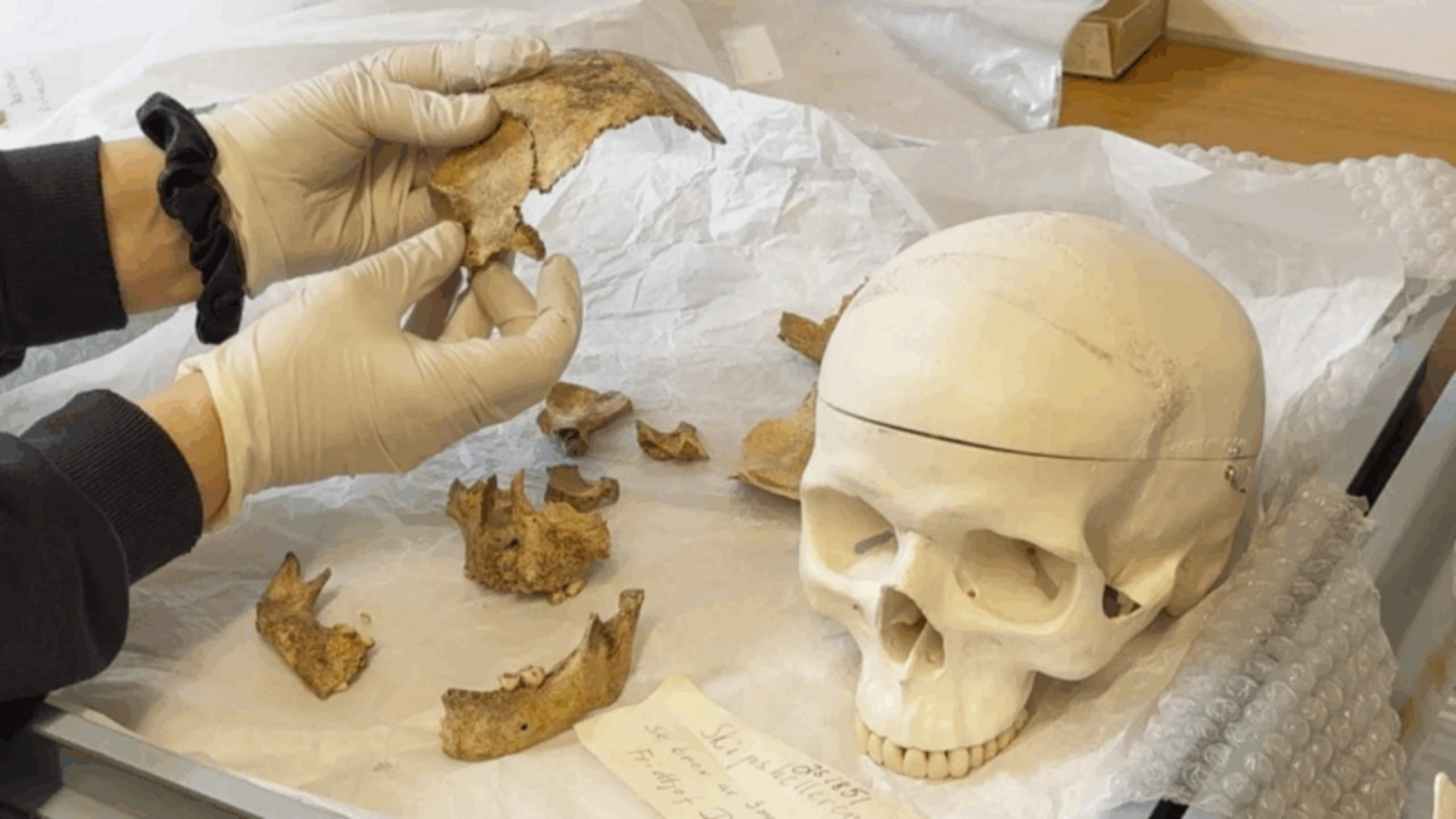
4,000-Year-Old Child’s Skull Unveils Ancient Burial in 7,500-Year-Old Norwegian Rock Shelter, Impressing Archaeologists




This data remains retained in the system as long as the connection is maintained, allowing passwords or cryptographic keys to be “carried” by the individual’s own body.
The research highlights that each hand movement can represent a unique combination of data, allowing for surprising storage density for a non-invasive system.
In the testing phases, volunteers were able to upload small text files and security commands simply by moving their fingers in predetermined patterns. To store information using hands, the software uses artificial intelligence to filter out noise from involuntary movements, ensuring that only intentional gestures are converted into stable memory. This method offers an additional layer of biometric security, as the movement pattern is unique to each human being.
Practical applications and cybersecurity
The implementation of this technology promises to revolutionize how we interact with authentication systems in high-security environments. Instead of typing passwords on vulnerable keyboards, professionals could store information using their hands and transmit it to terminals through touch or gestural proximity. This form of storage is immune to conventional hacker attacks targeting physical memory devices, as the “key” is integrated into the user’s living movement.
Furthermore, the technique facilitates information sharing in situations where the use of traditional peripherals is prohibited or impossible due to hygiene and space concerns.
In the field of health and rehabilitation, the system for storing information using hands can be adapted to monitor the progress of patients with motor disabilities. The device records not only the digital data entered but also the precision and strength of movements, providing a complete report on nerve and muscle function. The versatility of the method allows it to be integrated into wearable technologies, such as smartwatches, which would serve as the processing core for information generated by hand gestures.
The convenience of having data literally at your fingertips reduces response time in complex logistical operations.
Future of biology and data integration
Scientists now plan to miniaturize the sensors so they can be applied as thin, transparent patches on the skin, making the system almost imperceptible.
The ultimate goal is to allow storing information using hands in a completely fluid way, where the human body acts as a natural extension of the personal digital cloud. New algorithms are being developed to increase transmission speed, aiming to support heavier media files, such as images and short audio clips. The stability of long-term storage and the impact of muscle fatigue on data accuracy are the next challenges to be overcome by the research team.
The research concludes that using hands as a storage medium is a fundamental step towards ending physical barriers between humans and machines. By being able to store information using hands, society moves towards a paradigm where technology is invisibly integrated into daily life. The success of this technique sets a precedent for other body parts and physiological functions to be explored as data interfaces.
The era of body-centric computing promises to transform the privacy and efficiency of digital communication in the coming years.
With information from Zme Science