






 Portuguese
  Spanish
 4 min of reading
  0 comments


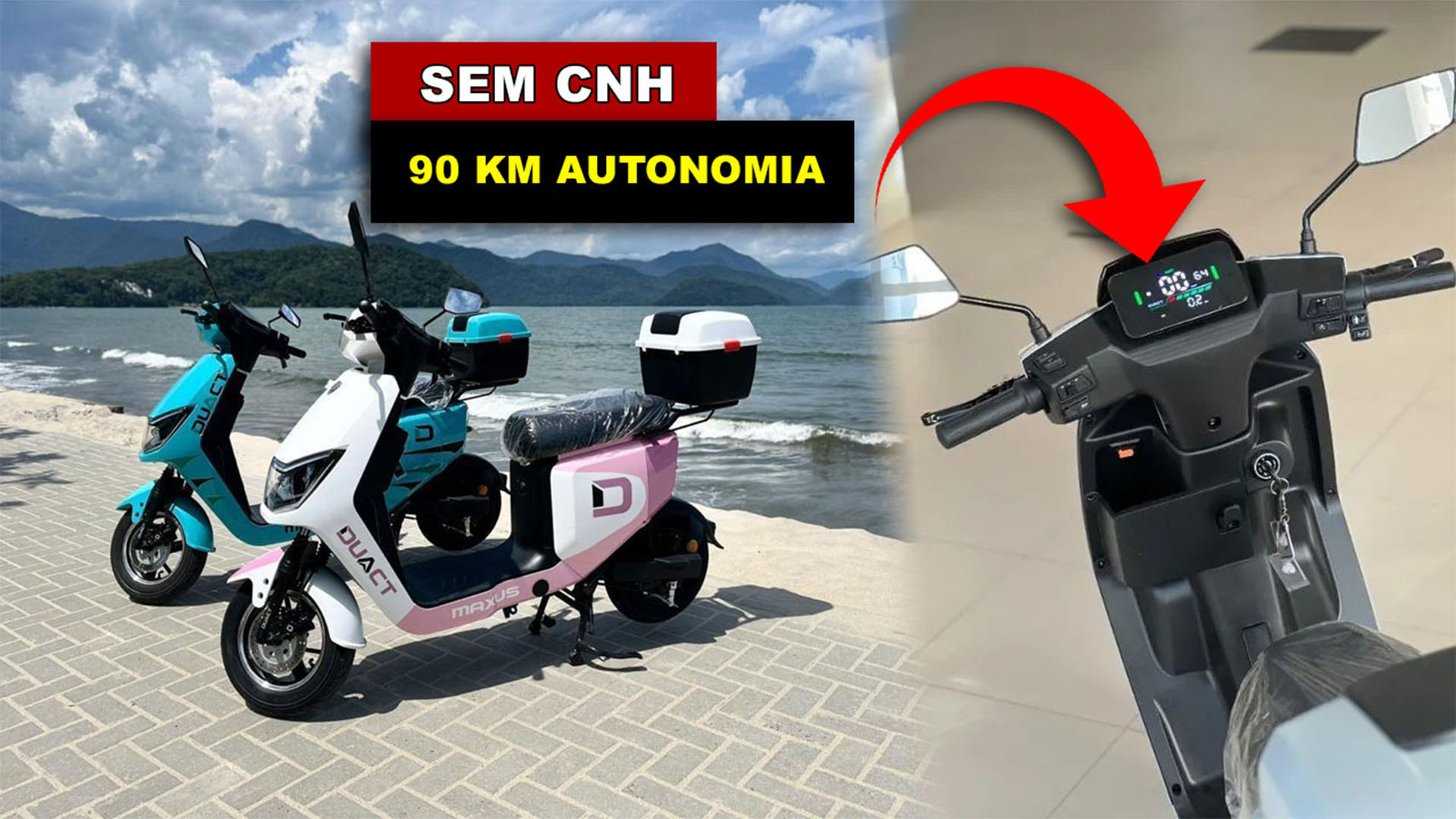
Negotiation Provides for a Unit in Caucaia, Use of the Porto do Pecém and Creation of 50 Direct Jobs. Electric Scooters Do Not Require a Driver’s License if They Comply with Resolution 996/2023.
Caucaia, in the Metropolitan Region of Fortaleza, has entered the map of electric micromobility. Duact Motors is negotiating to install a scooter manufacturing plant in the municipality with prices starting at R$ 8,900, targeting the Northeast as a logistical and commercial base. The operation could centralize national production that is currently scattered across other states.
According to the Government of Ceará, the negotiations are “advanced” and include importing via Porto do Pecém, which shortens deadlines and increases competitiveness. The initial forecast mentions 50 direct jobs and 150 indirect jobs in the first phase of the project.
The location in the Catuana region, near the Pecém complex, is the proposed site for the plant. The City Hall of Caucaia aims to start construction by the end of 2025, while the company and the State discuss tax incentives to make the investment feasible.
-
Brazilian Freight Bill Progresses in Congress with $5,000 Minimum Wage, 70% Advance Payment, and Fines Up to $1 Million, as Agriculture and Industry Warn of Rising Costs and Legal Uncertainty

-
High Interest Rates and Record Defaults Lead to Surge in Vehicle Repossessions and Crowded Car Auctions in Brazil by 2026

-
São Paulo Offers Over 13,000 Job Openings: Opportunities in Industry, Logistics, and More Across the State
-
Brazil’s BNDES Allocates $65 Million to Fund 85,000 E-Bikes for App-Based Delivery Workers, Offering Purchase Discounts and Leasing Options to Boost Income and Improve Delivery Operations


Urban-Focused Electric Micromobility with Competitive Entry Price
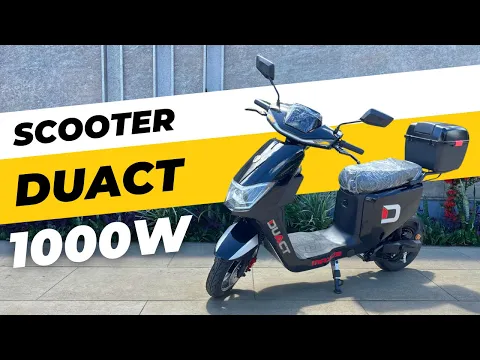

Duact sells electric scooters for urban use, positioned as micromobility vehicles for short to medium trips. The proposal is to cater to daily commutes with low operating and maintenance costs.
In retail, models from the brand are available for R$ 8,900 in the entry-level range, indicating a competitive price against low-displacement motorcycles and mopeds. This price point has been confirmed in market checks and local media coverage.
The manufacturer reports a range of up to 90 km and a 1,000 W motor, with features such as LED headlights, trunk, and reinforced suspension. These are characteristics aligned with daily use and reinforce the appeal of a lower total cost in the city.
Why Porto do Pecém is Important
Logistics via Porto do Pecém reduces up to 18 days in delivery time compared to the Port of Itajaí, a significant factor for those relying on imported parts. Shortening lead time improves inventory turnover and cash flow.
The company also sees an advantage in the so-called “return freight”, as shipping from Ceará to the South tends to be cheaper than the reverse trip, according to regional management. This could lower distribution and after-sales costs.
With assembly close to the Pecém Complex, the operation gains synergy with Special Economic Zone and logistical corridors, reinforcing the state plan to create an electric motorcycle hub in Caucaia.
Contran Regulations Show that the Scooter Does Not Need a Driver’s License or License Plate
The Resolution 996/2023 of Contran defines the self-propelled individual mobility device: a motor of up to 1,000 W, a maximum speed of 32 km/h, width up to 70 cm, and a wheelbase of up to 130 cm. In this category, there is no requirement for a driver’s license, registration, licensing, or license plate, provided that the requirements and local regulations for circulation are met.
The regulation requires speed indicator or limiter, bell, night signaling, and, for circulation, adherence to the traffic rules of the roadway. Above the power/speed limits, the vehicle becomes a moped or scooter, which then requires registration and licensing.
Duact states that its models fall under the self-propelled rule, which supports the argument for access without a driver’s license. However, the purchaser must always check the technical specifications of the model and the local regulations regarding where to circulate.
Job Creation, Qualification, and Possible Full Factory
Besides the manufacturer, the municipality is discussing gradual nationalization of components to reduce external dependence. Currently, tires and batteries are already national, while other parts are imported.
There is a commitment agreement with IFCE to prioritize local labor, part of a strategy to solidify an industrial hub for motorcycles, tricycles, and electric scooters in Caucaia.
The project is part of a broader agenda from SDE to attract investments in mobility and the automotive industry, with Ceará seeking tax competitiveness compared to other states.
And you, do you support expanding the use of scooters that do not require a driver’s license on public roads, or do you think it increases risks in urban traffic? Leave your comment.




Be the first to react!