






 Portuguese
  Spanish
  4 min of reading
  0 comments


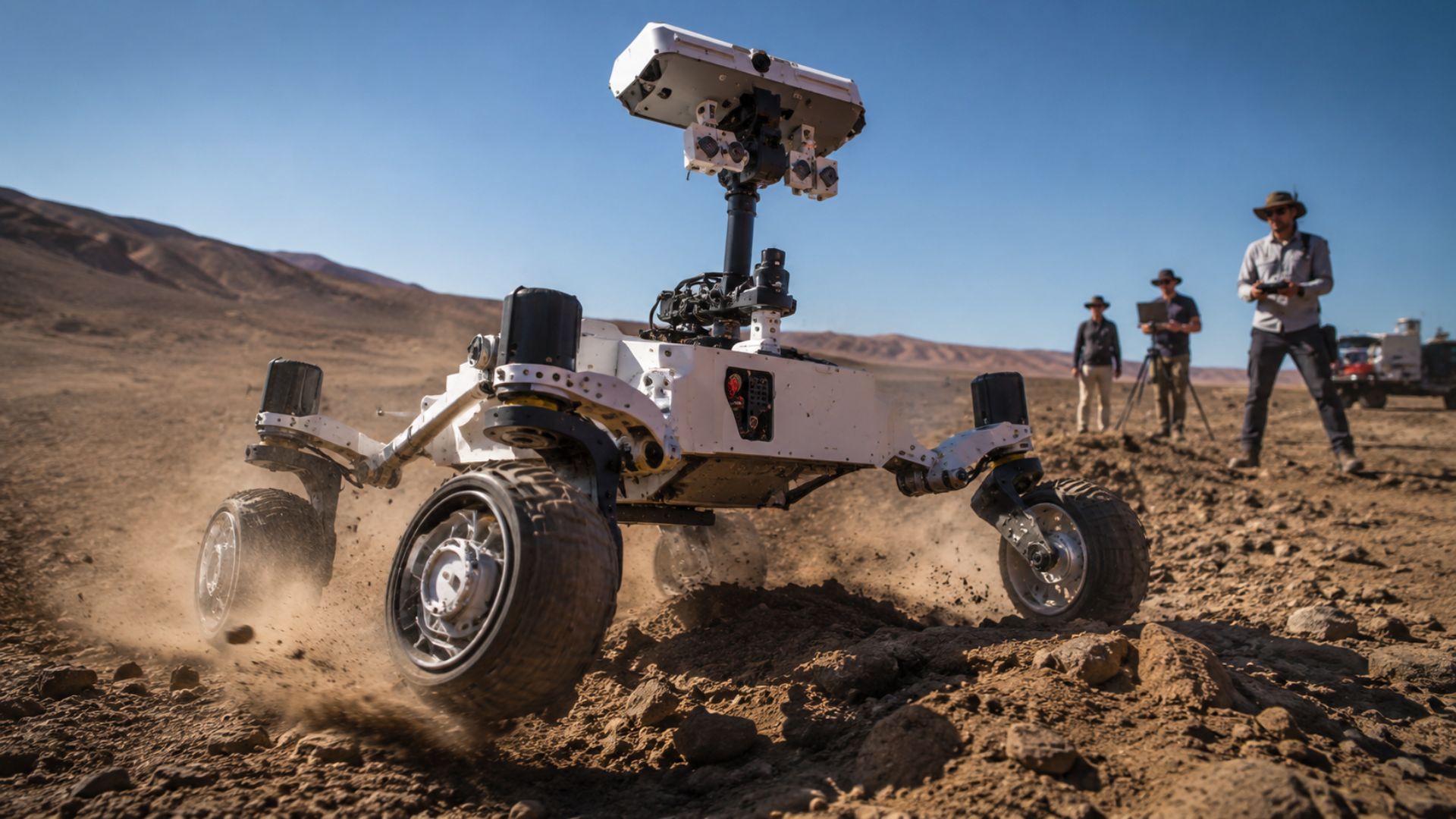
Called Ernest, the prototype is a reduced version being tested in the Colorado desert. Developed by NASA since 2022 to map the Moon and Mars, the vehicle has only four wheels and an active suspension that articulates, but still pursues the goal of being ten times faster.
NASA tests a rover with suspension that mimics the movements of a lizard, four wheels with independent traction, and a speed goal ten times greater than Perseverance, which reached only 161 meters per hour on Mars. The project shows how the agency seeks to combine speed and endurance.
NASA announced recent tests of a prototype of its new space vehicle, Ernest, which is to be used in surface mapping missions on the Moon and Mars. A reduced version of the vehicle is undergoing operational tests in the Colorado desert, United States. According to Engadget, the rover stands out for its design with only four wheels, compared to the six of successful models on Mars, and for an active suspension that articulates like a lizard. The project, developed since 2022, aims for a vehicle ten times faster than the original, although, in tests, the prototype reached 0.97 km/h, compared to Perseverance’s 161 meters per hour.
The new NASA rover Ernest
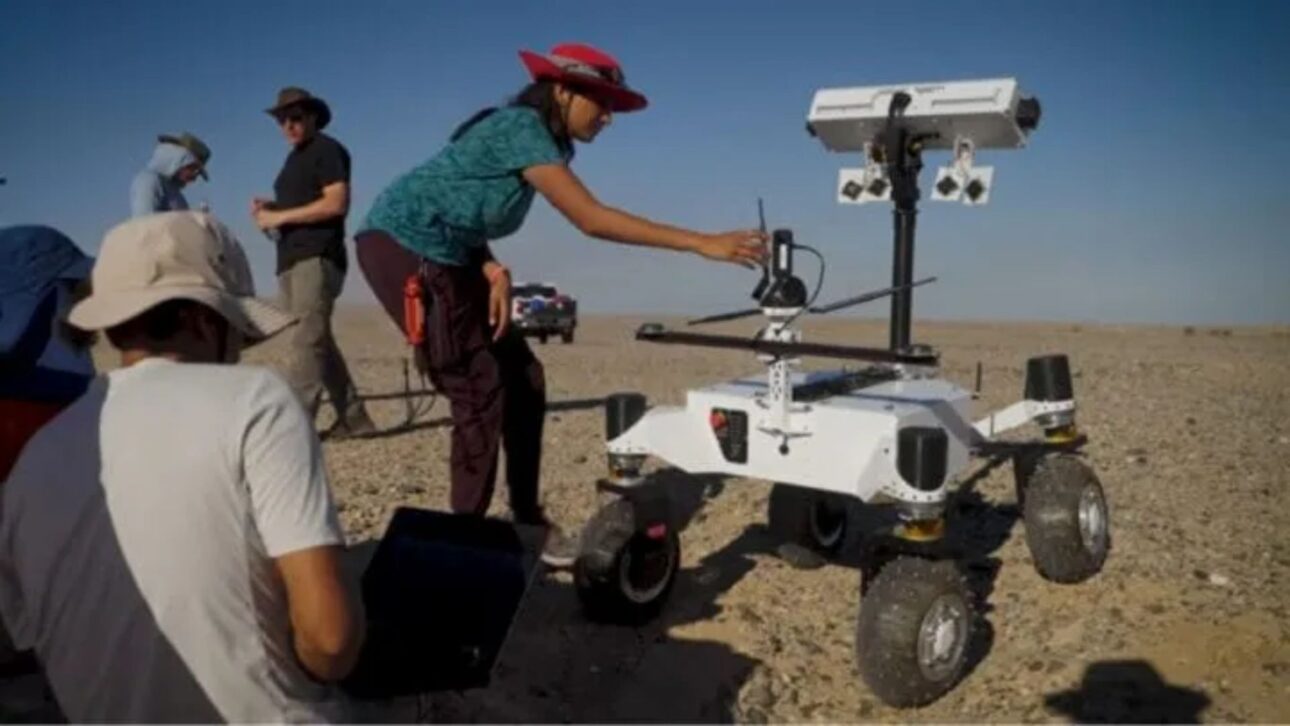
NASA announced recent tests of a prototype of its new space vehicle, Ernest. The rover, a term used for vehicles specialized in difficult terrains, is to be used in surface mapping missions on the Moon and Mars.
-
Scientists Warn: Gulf Stream Shift Warms Canadian Waters by Up to 5°C, Revealing Rapid AMOC Response

-
Apple and Tesla on Alert After Cyberattack on Indian Supplier Exposes Over 200,000 Confidential Files, Industrial Projects, Employee Data, and Potential Trade Secrets on the Dark Web

-
In the Atacama Desert, a Tropical Oasis with Pool and Palm Trees Hosts Astronomers Studying the Universe
-
São Paulo Unveils 500 Electric Buses with $1.3 Billion Investment, Aiming to Cut 20 Million Liters of Diesel Annually and Showcase Clean Mobility




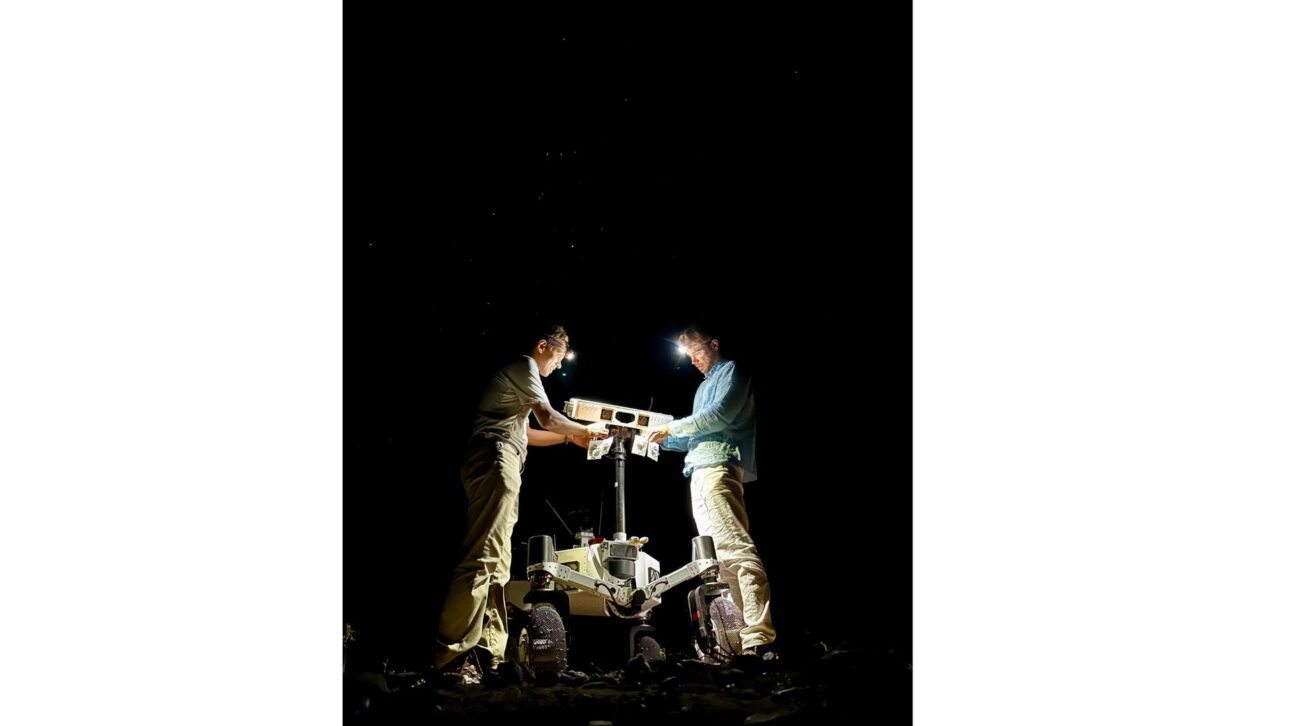
image: NASA/JPL-Caltech
A scaled-down version of the vehicle undergoes operational tests in the Colorado desert, United States. The logic of the name is also different: while NASA’s latest robotic vehicles, Ingenuity and Perseverance, had aspirational meanings, Ernest is an acronym for Exploration Rover for Navigating Extreme Sloped Terrain.
Four wheels and lizard movements
According to Engadget, Ernest stands out from previous rovers due to its design, as it has only four wheels, while each of those successful on Mars had six. The project has been developed by NASA since 2022, testing various modifications to the vehicle’s axles.
In this case, the new rover will have an active suspension model, capable of articulating and rotating, very similar to the movements of a lizard. The vehicle is also expected to feature independent traction on all four wheels, allowing it to drive in any direction, which will help the robotic jeep avoid getting stuck when trying to climb rocks.
The goal of being ten times faster
NASA’s goal is to create a robotic jeep capable of going ten times faster than the original. In recent tests in Colorado, the prototype, which is a smaller version of the official one, reached a maximum speed of 0.97 km/h.
In total, it completed 26 km of exploration in 37 hours of intermittent testing. Perseverance, which carries out missions on Mars, reaches a maximum speed of 161 meters per hour, so the prototype already moves several times faster, although the goal of ten times is still a target to be confirmed in the complete version.
Why speed is a challenge on Mars


For NASA, the challenge with rovers is combining endurance with speed. Extraterrestrial surfaces tend to be more aggressive on vehicle tires, requiring more care with each maneuver.
This helps explain why rovers like Perseverance move so slowly on Mars, prioritizing durability over speed. With active suspension and four independently driven wheels, the Ernest, which NASA is testing in Colorado, attempts to break this impasse and seek a fast and resilient vehicle at the same time, even though it remains in the prototype phase.
NASA is testing the rover Ernest, which stands out for its four wheels, an active suspension that articulates like a lizard, and independent traction that allows driving in any direction.
The goal is a vehicle ten times faster than the original, to map surfaces on the Moon and Mars, but in tests in the Colorado desert, the prototype, a smaller version, reached 0.97 km/h, compared to Perseverance’s 161 meters per hour on Mars.
Developed since 2022, the project still needs to confirm the speed goal in the official version, in a quest that shows how complex it is to combine speed and resilience on extraterrestrial terrains.
And you, what do you think of NASA’s lizard-inspired rover? Do you believe it will achieve the goal of being ten times faster on Mars? Share your opinion and exchange ideas with other readers about space and technology.





Be the first to react!