Portuguese
  Spanish


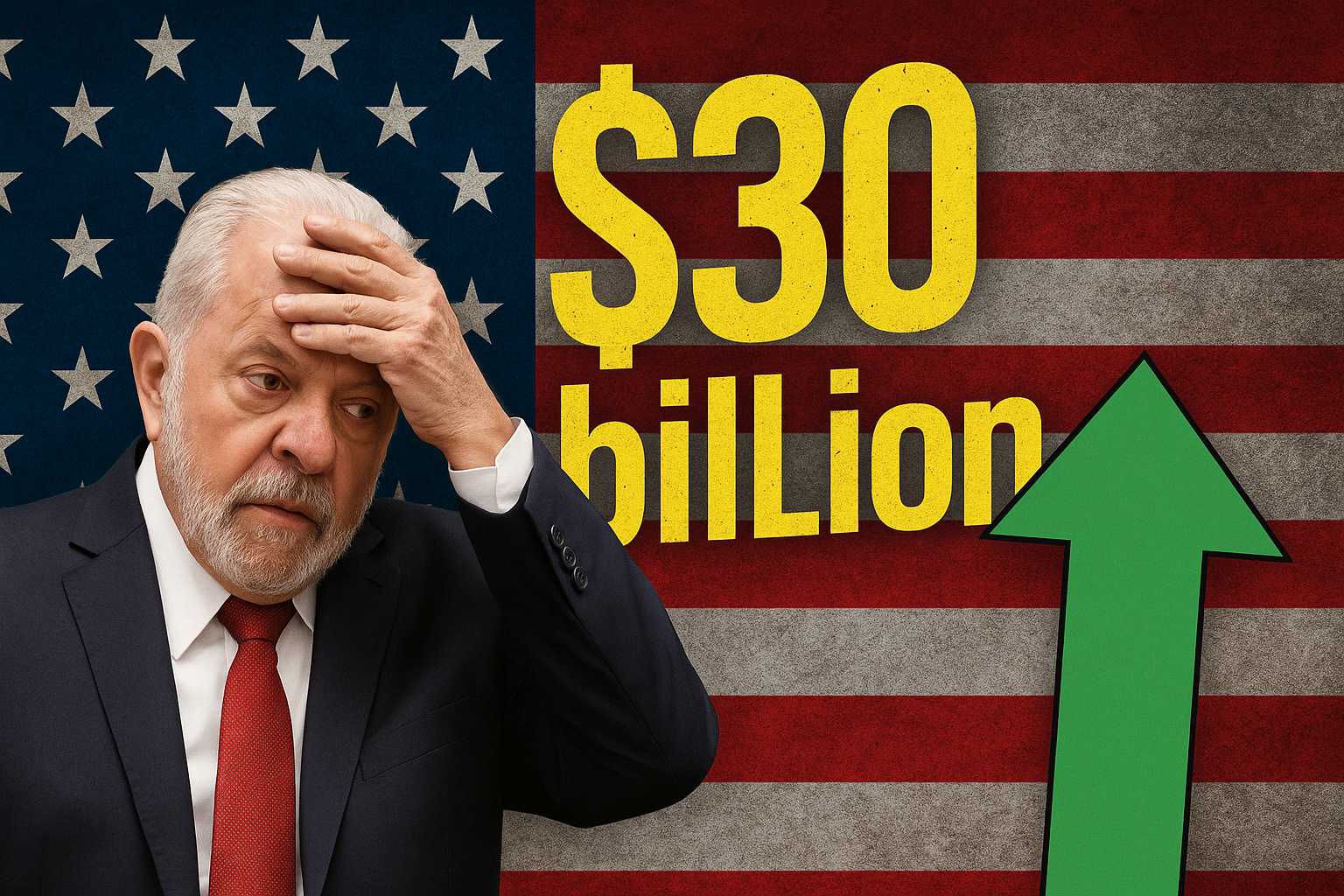


National Senate Votes on Bill of R$ 30 Billion to Face US Tariff and Relieve Economic Impact.
National Senate Decides Today on Billion-Dollar Bill to Face US Tariff
The National Senate is analyzing a decisive bill this Wednesday (24) that could release R$ 30 billion to mitigate the impacts of the US tariff on Brazilian products.
The proposal, which has already passed through the Economic Affairs Committee (CAE), seeks to ensure compensatory measures without compromising the fiscal targets set out in the New Fiscal Framework.
The vote was postponed from Tuesday (23) to today due to negotiations between the government and parliamentarians over an amendment under discussion.
-
Brazilian City Makes Remarkable Leap, Becomes 4th Wealthiest in the Country with GDP of R$ 134.1 Billion

-
Controversial 6-day Workweek Elimination in Brazil Faces Economic Criticism Over Productivity Claims

-
Itaú to Refund Customers After 14 Years of Unauthorized Credit Card Charges; Agreement Includes No Interest or Adjustments, Deadline by 2028, with Potential Impact of Up to $6.5 Billion

-
Brazilian Company Grows from Bartering Soap for Food to Producing 30 Million Units Monthly, Challenges Global Giants with $100 Million Revenue and Expands into Premium Cosmetics



What Is at Stake in the 30 Billion Bill
The government leader in the Senate, Senator Jaques Wagner (PT-BA), presented the bill that creates exceptional procedures to manage loans and tax waivers totaling R$ 30 billion. In addition, the text directs the resources directly to the sectors most affected by the US tariff.
In practice, the amount can be applied without entering the primary result targets of the Fiscal Responsibility Law (LRF) and also without weighing on the spending limits of the New Fiscal Framework. Therefore, the government sees this accounting loophole as essential to implement MP 1.309/2025, which has already released the funds but still depends on Congressional approval.
How the National Senate Plans to Conduct the Vote
The National Senate initially scheduled the appreciation of the bill for Tuesday (23). However, Senator Rogério Carvalho (PT-SE), who presided over the session, reported that the postponement was necessary to broaden the dialogue between the government and parliamentarians.
“We are adjusting details of the text, especially regarding the amendment presented. It is important to build consensus to ensure the effectiveness of the bill,” Carvalho stated.
Why the Bill Is Strategic in Light of the US Tariff
The US tariff is already impacting the Brazilian industry and agribusiness. The measure raises export costs and pressures the competitiveness of products in the international market.
To respond, the National Senate is rushing to approve the bill that releases R$ 30 billion as an immediate response.
Senator Veneziano Vital do Rêgo (MDB-PB), the rapporteur of the matter in the CAE, stated that the proposal “represents a necessary relief for the most affected sectors and ensures economic breathing room in light of the crisis generated by the tariff.”
Next Steps and Expectations
If the plenary approves the bill, the text will proceed to presidential sanction.
As a result, the 30 billion will come into circulation by 2025. The government expects a quick effect to reduce the economic and social damages caused by the American tariffs.
The opposition questions the fiscal impact and demands strict oversight on the use of resources.
Despite the criticisms, the government base shows confidence and guarantees a majority to approve the proposal.
Conclusion: A Political and Economic Test
The debate on the 30 billion bill in the National Senate goes beyond the numbers, as it symbolizes the country’s response to the US tariff.
Thus, the vote this Wednesday becomes a political test for the government’s articulation and, at the same time, an economic milestone for the sectors that await urgent compensations.