






 Portuguese
  Spanish


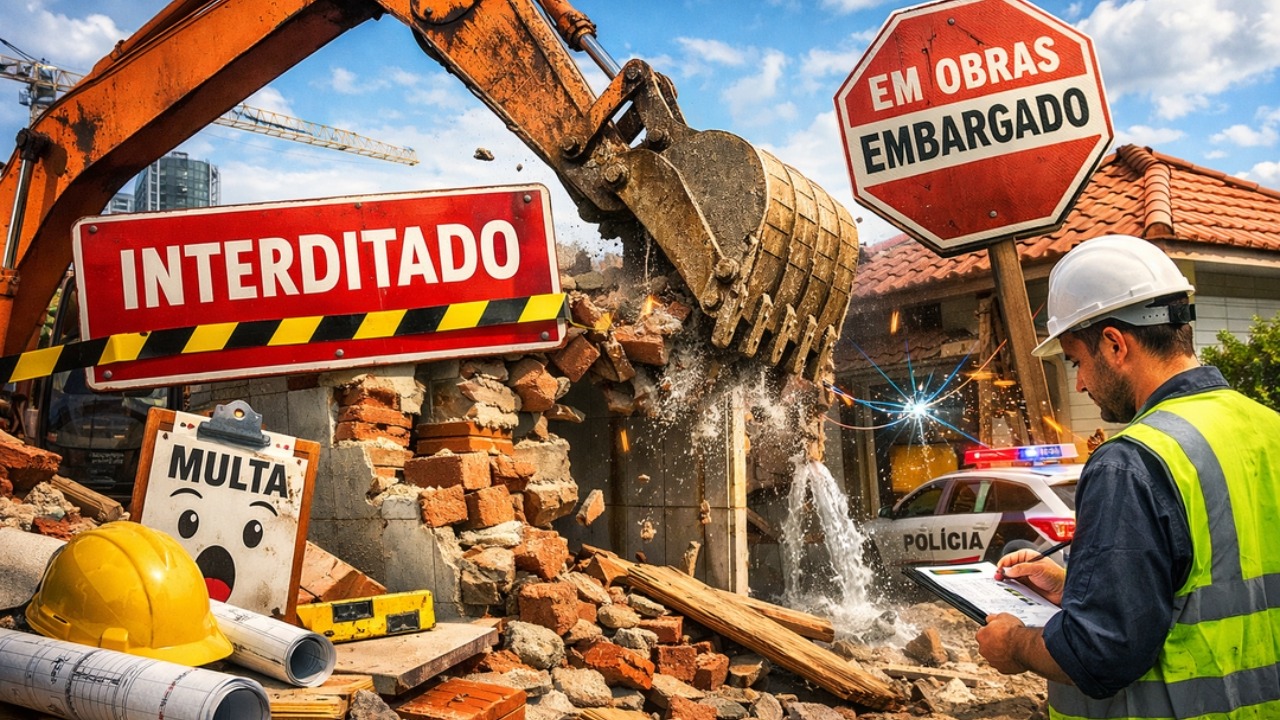

These Brazilian Rules That Many People Disregard May Seem Minor, But They Can Halt Renovations, Lead to Fines, and Create Disputes with Neighbors, Condominiums, and the City If You Don’t Plan Ahead.
In Brazil, Brazilian rules that many people disregard are not “bureaucratic nonsense”: they exist in the building code, in the master plan, in condominium regulations, and in safety and sanitation rules. The problem is that many people only discover this later, after they have spent money, built walls, and suddenly receive a notification, an embargo, or a demand for correction.
Next, you will see seven common points that seem harmless but can cause real headaches. The idea here is simple: to make you aware of what can hold up the work so you can plan better and avoid rework.
1) Air Conditioner with Dripping Drain in Public Area or Neighbor’s Property


Many people install air conditioners after the work is done and resolve it “the best way possible”. However, draining into the street, onto a neighbor’s property, or onto the sidewalk can be prohibited by municipal regulations and result in a notification.
-
Seniors Over 60 Can Travel for Free Across Brazil: Elderly Statute Ensures Two Free Bus Seats and 50% Discount When Full for Low-Income Passengers

-
Detran RJ starts requiring a toxicological test for those obtaining their first driver’s license in the car and motorcycle category starting June 29; see who will be affected.

-
Florida takes TikTok to court and accuses the Chinese giant ByteDance of ignoring the law that bars minors under 14, while parents and authorities demand more protection for children on social networks.
-
Chamber approves constitutional amendment reducing the age of criminal responsibility from 18 to 16 years; what now?




Additionally, having the condenser on the facade can cause problems when it protrudes from the alignment of the facade, occupies public space, or violates condominium rules.
Another overlooked point is noise: depending on the position and noise level, you may be required to reposition or remove the equipment.
2) Wall Taller than Allowed
Privacy is important, but the height of the wall is not “whatever you want”. In many cities, there are limits defined in the building code, and exceeding that can lead to fines, embargos, and even the requirement to remove the excess.
And pay attention: front walls usually have different rules. In some places, part of it needs to allow visibility, ventilation, or have open elements, and in gated communities, there may be even stricter restrictions.
3) Opening Window, Cobogó, or Opening “Facing the Neighbor” Without Setback
This is one of the most common snags. There are setback rules to allow openings like windows and openings. Without this setback, even a cobogó and glass brick can be treated as openings, depending on the municipality.
In addition to the legal risk, there is a practical risk: even if you do it, the neighbor could build a wall on their side and block it. When the project does not allow lateral windows, solutions like zenith lighting (skylights), winter gardens, or light tubes can be alternatives, as long as they are planned.
4) Garage Gate Opening Outward, Encroaching on the Sidewalk
A gate that opens towards the street seems common, but it may be prohibited because it invades pedestrian circulation and increases the risk of accidents. The “classic” outward-opening gate may be required to be replaced with models that open inward onto the property, such as sliding, tilt, or hinged gates, depending on local regulations.
Also, be aware of gates that “encroach” onto the sidewalk: the property boundary must be respected.
5) Disposing of Sewage into the Storm Drainage System
This is a serious and, unfortunately, frequent mistake. Sewage and stormwater systems are different systems. Domestic sewage goes for treatment; rainwater goes for drainage and bodies of water.
When someone connects sewage to the storm drainage, it can cause contamination, foul odors, sewage backups on rainy days, and environmental impact. In areas without a sewage collection system, solutions like septic tanks and sumps come into play, according to regulations and technical feasibility.
6) Conducting Business from Home Where Zoning Does Not Allow
Not every neighborhood allows commercial establishments. The city is organized by zones in the master plan and in land use and occupation: residential, commercial, or mixed zones, with rules and limits.
Even where it is allowed, there may be restrictions based on the type of activity: low-impact businesses are usually more tolerated, while high-impact activities may require specific licenses or be prohibited. And even with permission, if there are disturbances, risks, excessive traffic, noise, or odors, neighbors may complain and create headaches.
7) Exceeding the Height and Number of Floors Limit for the Property
Many people plan a two-story house, terrace, “slab,” or a third level without checking if the neighborhood allows it. However, there are areas with height limits, and this can block approval and even lead to demands for compliance.
In addition to height limits, parameters such as floor area ratio and other urban regulations come into play. Therefore, before adding another floor, the safest path is to confirm what the zoning and local code allow for that lot.
The Point That Almost No One Notices Before Starting
What makes these Brazilian rules that many people disregard so dangerous is that they appear late, when the work has already progressed. And then the cost is not just money: it’s time, stress, and often conflict with neighbors, condominiums, or the city.
If you are about to build or renovate, planning ahead is cheaper than correcting later.
In your neighborhood, which of these Brazilian rules that many people disregard do you most often see happening in practice: air conditioning, tall walls, windows close to neighbors, gates on sidewalks, improper sewage disposal, illegal businesses, or buildings that are too tall?









Como a Prefeitura dá o alvará de construção?????