Portuguese
  Spanish


In Cahokia Heights, heavy rain causes raw sewage to return through bathrooms and yards, while work attempts to recover the old network
The sewage returns inside homes in Cahokia Heights, a poor city in Illinois, United States, when heavy rains hit the region. The dirty water enters through bathrooms, reaches yards, damages properties, and leaves residents fearing each new storm.
The investigation was published by AP News, a United States news agency. The case involves an old sewage network, recurring floods, and a 2024 agreement that requires an estimated investment of US$ 30 million for system improvements.
The problem is simple to understand and difficult to live with. When the rain increases the volume of water in the pipes, the network cannot withstand the pressure. As a result, untreated sewage can return inside homes and turn the home into a health risk.
-
Miguel Krigsner opened a small compounding pharmacy in Curitiba in 1977, turned Brazilian fragrances into a national success, and created O Boticário, now one of the largest beauty networks in the world.

-
Meet the charming parrot grandpa, who became known for hugging free birds and revealed how he gained their trust over the years.
-
After 18 years of development, Bridgestone launches the AirFree airless tire, which requires no inflation and is puncture-proof, into daily service in Japan, starting with autonomous vehicles up to 20 km/h, used for transporting elderly people.

-
Couple buys 1905 colonial house, plans to tear down walls to unite three rooms, but finds hidden service staircase and rethinks the entire renovation to preserve details that have survived for over a century.



Families report sewage in bathrooms, damaged houses, and destroyed belongings
In Cahokia Heights, residents live with a situation that goes beyond the bad smell. Untreated sewage has already reached streets, yards, and houses, causing swollen floors, cracked walls, and loss of belongings.
The house, which should be a shelter, becomes a point of concern. When the rain starts, families begin to fear the return of dirty water through drains, the toilet, and the bathtub.
Resident Patricia Johnson reported that the sewage sometimes comes back through the toilet and bathtub when it rains heavily.
The old network cannot withstand heavy rain and pushes the problem inside homes
The sanitation crisis in Cahokia Heights is linked to an old and deteriorated network. The sewage system should carry dirty water away from homes but fails when it becomes overloaded.
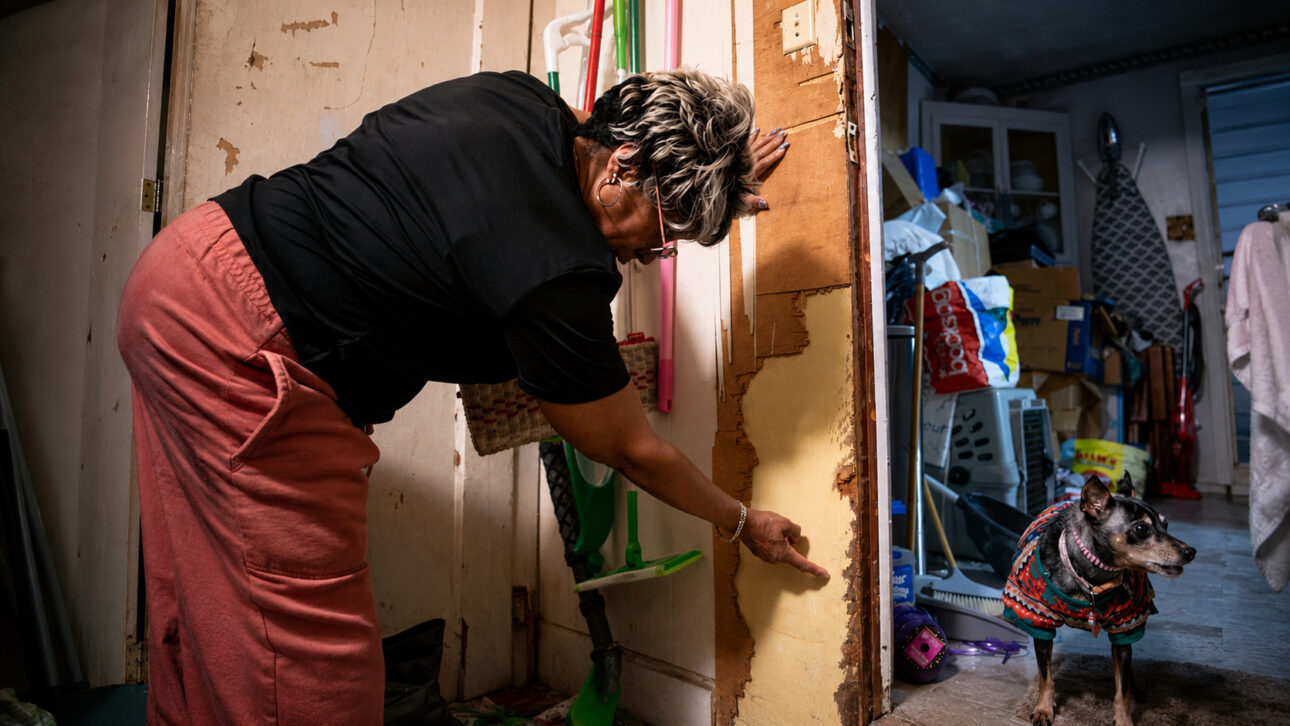
When too much rainwater enters the network, the pipes cannot handle the flow. Thus, the contaminated water seeks another path and may return inside the properties.
The logic is similar to a clogged sink. If the normal path gets blocked or too full, the water returns. In the case of Cahokia Heights, the return involves raw sewage, posing a direct risk to residents.
2024 Agreement Requires $30 Million in System Improvements
A 2024 agreement with the United States Department of Justice requires the city to invest an estimated $30 million in improvements. The money is allocated for sewer system repairs and flood control actions.
AP News, a United States news agency, detailed the main points of the case. Authorities informed the court that they worked to divert floodwater and carry out other repairs.
Even so, records cited in the investigation show that at least $41 million in resources, mainly state and federal, were spent or sought for improvements. The city’s engineering firm indicated that tens of millions of additional dollars would still be needed.
Faulty Sanitation Becomes Public Health Risk for Residents
The return of sewage into homes is not just a cleaning issue. Untreated sewage can carry microorganisms capable of causing diseases, irritations, and infections.
Standing water near homes also attracts mosquitoes. In Cahokia Heights, this scenario appears in areas with accumulated water and tall grass, increasing residents’ discomfort.
Therefore, infrastructure failure becomes a public health issue. Children, the elderly, and people with less access to medical care may suffer more when exposure to sewage is repeated.
Poor U.S. City Shows How Hidden Work Can Be as Important as Bridge and Road
Cahokia Heights is near St. Louis and serves as an example of a project that many people do not see, but that changes daily life. Pipes, drainage, and pumps are hidden, yet they determine whether a house will stay dry or contaminated.
Drainage is the path used to remove rainwater from streets and homes. Pumps help push water or sewage when the system cannot function on its own.
When this structure fails, the damage appears inside the property. Residents lose furniture, endure bad smells, and remain trapped in fear of another heavy rain.
$30 Million May Alleviate the Crisis, But the Size of the Problem Still Worries
The estimated repair of US$ 30 million represents a concrete attempt to address the network’s longstanding failures. The 2024 agreement creates an investment obligation and places the sewage system at the center of the public response.
Even so, the situation shows that a network neglected for years does not recover easily. Each heavy rain can reveal new failure points and increase the damage inside homes.
In Cahokia Heights, the sanitation problem is no longer invisible. It appears in the bathroom, the backyard, the cracked walls, and the lost furniture of residents who live in fear of the rain.
When a city needs to choose where to allocate public money, should hidden works like sewage and drainage take more priority than visible works? Leave your opinion or share this story.