Portuguese
  Spanish


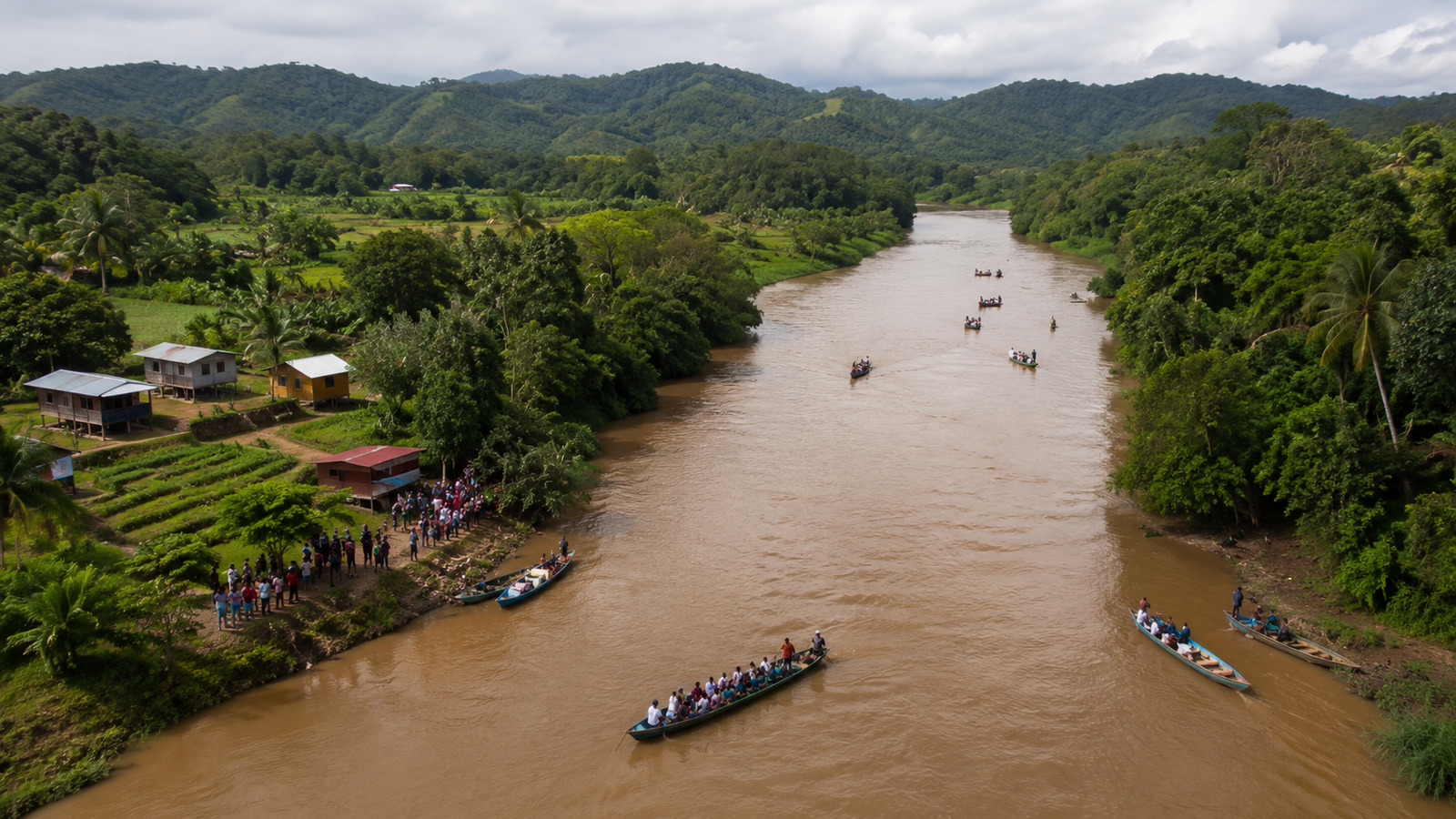

US$ 1.5 billion project seeks to reinforce the water supply of the Panama Canal for the next 50 years, but faces resistance from farmers who fear losing homes, lands, and entire communities
A US$ 1.5 billion reservoir project on the Rio Indio, in the central region of Panama, aims to reinforce the country’s water supply and sustain the Panama Canal for the next 50 years, but plans to displace 38 farming communities and about 2,000 residents.
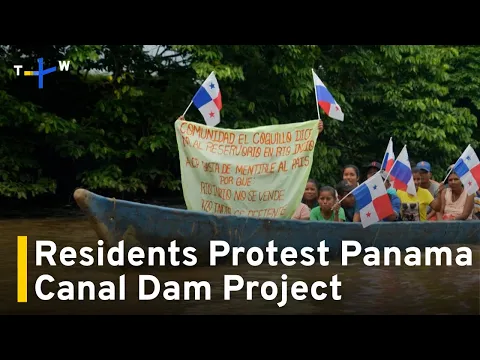

Project seeks to ensure water for the Panama Canal for 50 years
The proposal is led by the Panama Canal Authority and plans to create a new water reserve to feed Lake Gatún, located at the northern entrance of the canal, in the Atlantic Ocean.
The reservoir was presented as a response to the demand for water for human consumption and for the operations of the Panama Canal, especially during drought periods.
-
At 14 years old, she worked in a factory in Hong Kong, studied economics abroad, and then entered the Chinese real estate market, which helped change the landscape of Beijing.

-
While NATO secured more than $10 billion in missiles and space surveillance at a single forum, Brazil still spends 1.1% of its GDP on defense and is stalling its own anti-aircraft system.

-
Corn ethanol attracts R$ 23 billion in 21 new plants and prepares for a nearly 50% jump in Brazilian production by 2027, even with high interest rates.
-
A newly opened terminal in the middle of the Amazon has begun transporting soy and corn through Amapá, eyeing the queue of ships that is congesting the ports in the South.


The Rio Indio is 98 kilometers long and crosses Costa Abajo, a region where 231 farming communities live, before flowing into the Caribbean Sea.
According to the plan, part of the basin would be transformed into a large reservoir. Construction is scheduled to begin in 2027 and should last four years.
The structure includes a main roller-compacted concrete dam and three auxiliary dams. The planned flooded area is 4,600 hectares, about 8% of the entire Rio Indio basin.
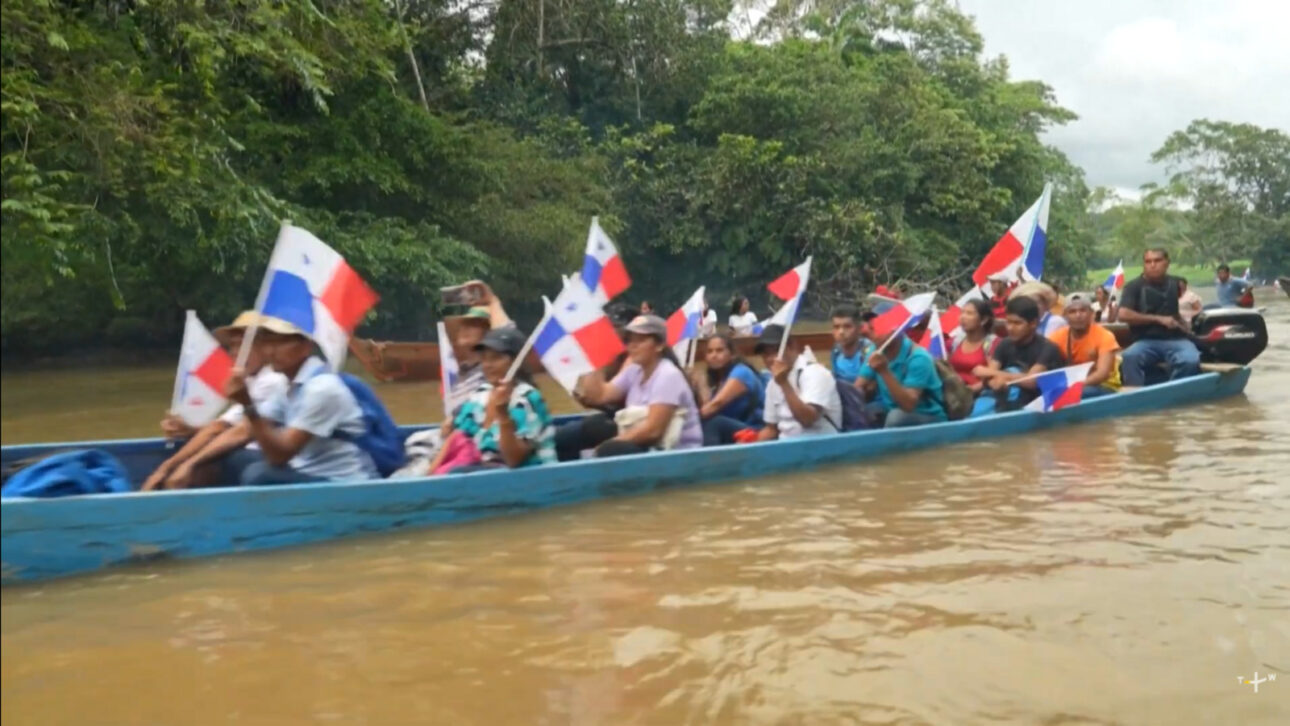
Displacement of communities is the main expected social impact
The most sensitive point of the project is the displacement of 38 farming communities. The estimate by the Panama Canal Authority itself indicates that approximately 2,000 residents would be affected.
These families live in rural areas and depend on the land and river for subsistence. Residents claim that there is still not enough clarity on how the resettlement would work.
Among the threatened areas is Limón de Chagres, pointed out by residents as one of the first communities that could be flooded for the construction of the dam.
Local farmers report that the region already suffers from a lack of basic infrastructure, such as health posts, public lighting, and adequate road access.
The concern goes beyond housing. Many residents grow corn, vegetables, and other foods on family properties. With the reservoir’s expansion, these lands would be lost.
Opposition to the project has been led by farmers, local communities, and social organizations. The Coordinadora Campesina por la Vida brings together farmers, indigenous communities, and civil society groups opposed to the reservoir.
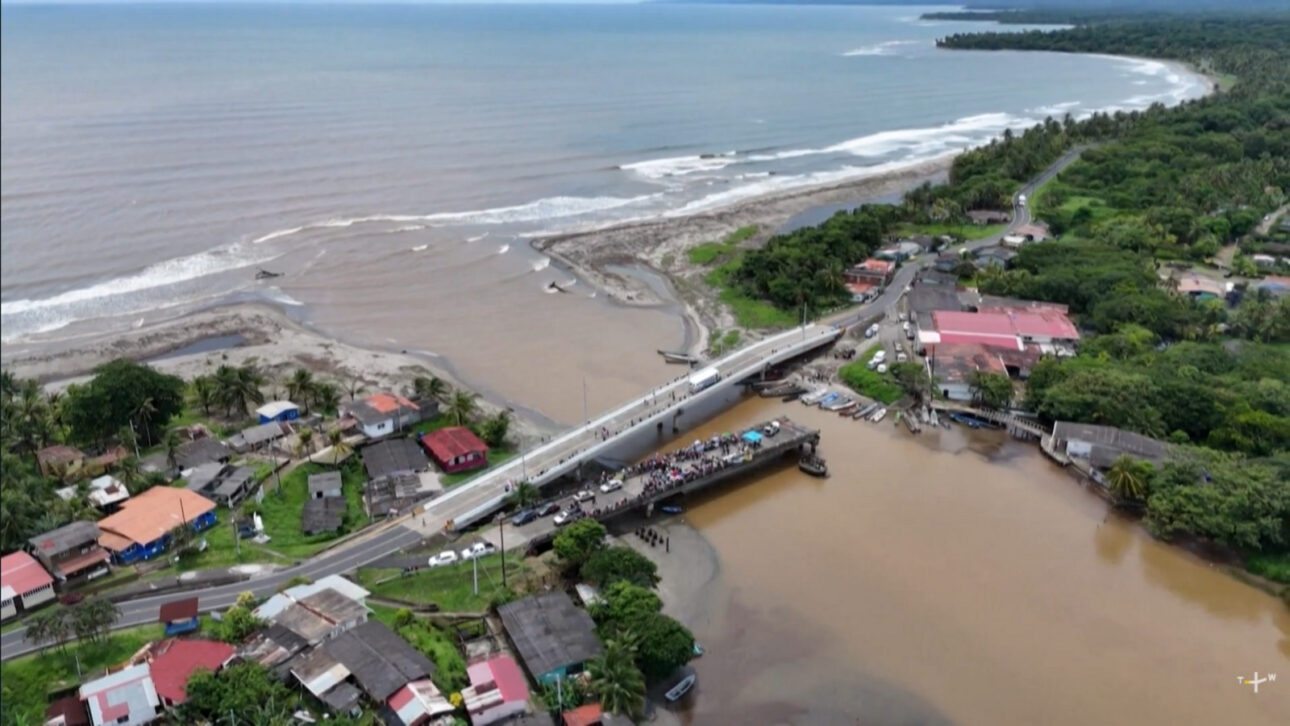
ACP promises nearby resettlement and compensations
The Panama Canal Authority states that resettlement areas are being identified based on technical, environmental, social, and cultural criteria.
The declared goal is to keep families as close as possible to their current surroundings, preserving family ties, productive activities, and community bonds.
Locations situated approximately 7 kilometers from some current communities are being evaluated.
The authority also states that it intends to provide replacement lands with property titles.
The plan includes assistance to affected families, including compensation for crops, livestock, gardens, and loss of income.
Even so, residents say they want to remain on their lands. For the communities, the central issue is not just compensation, but the loss of territory, agricultural production, and way of life.
The Category III Environmental Impact Assessment, considered the most rigorous level, should be finalized and presented in the second half of 2026.
The process, according to the ACP, includes formal public participation, interviews, publications, dissemination, and a public forum.
Rio Indio is defended for technical advantage, but Bayano appears as an alternative
From a technical standpoint, the ACP claims that the Indio River has an important advantage: water could be brought to Lake Gatún by gravity.
This would be done through an 8.7-kilometer tunnel, reducing the need for continuous pumping, energy consumption, and long-term operational costs.
The communities opposing the project advocate for another solution, summarized in the slogan “No to Indio River, Yes to Bayano.”
The alternative proposal involves expanding an existing reservoir, fed by the Bayano River, which flows into the Pacific Gulf. For the residents, this option would avoid the displacement of families.
The ACP states that Lake Bayano was studied in 12 possibilities. According to the authority, the distance of over 100 kilometers from the Canal lakes would require more complex infrastructure and continuous pumping.
An independent evaluation by the Society of Engineers and Architects of Panama points to Bayano as a viable alternative, with greater water capacity, a possible solution for salinity, shorter construction timelines, and lower construction risks.
Environmental impacts and local risks also enter the debate
Besides displacement, experts and residents point to environmental concerns. The region is within the Mesoamerican Biological Corridor and is home to endemic species, local fauna, and sensitive ecosystems.
Researchers warn that changes in the environment and the relocation of populations could influence the spread of endemic diseases, such as malaria and Chagas disease.
There is also fear about flood risks for communities that remain close to the future dam in case of accidents.
Experts also state that reservoirs in Panama have already caused significant socio-environmental impacts in the past, including the disruption of river communication between marginalized communities.
While the project is defended as a solution for the water demand of the Panama Canal and human consumption in the coming decades, the affected residents see a social cost that is too high.
For these communities, the debate about the reservoir on the Indio River involves water, infrastructure, territory, housing, agricultural production, and the right to remain where they live.
This article was prepared based on information from the Panama Canal Authority, the Society of Engineers and Architects of Panama, and reports from local communities, with data, numbers, and statements preserved as per the consulted material.