Portuguese
  Spanish


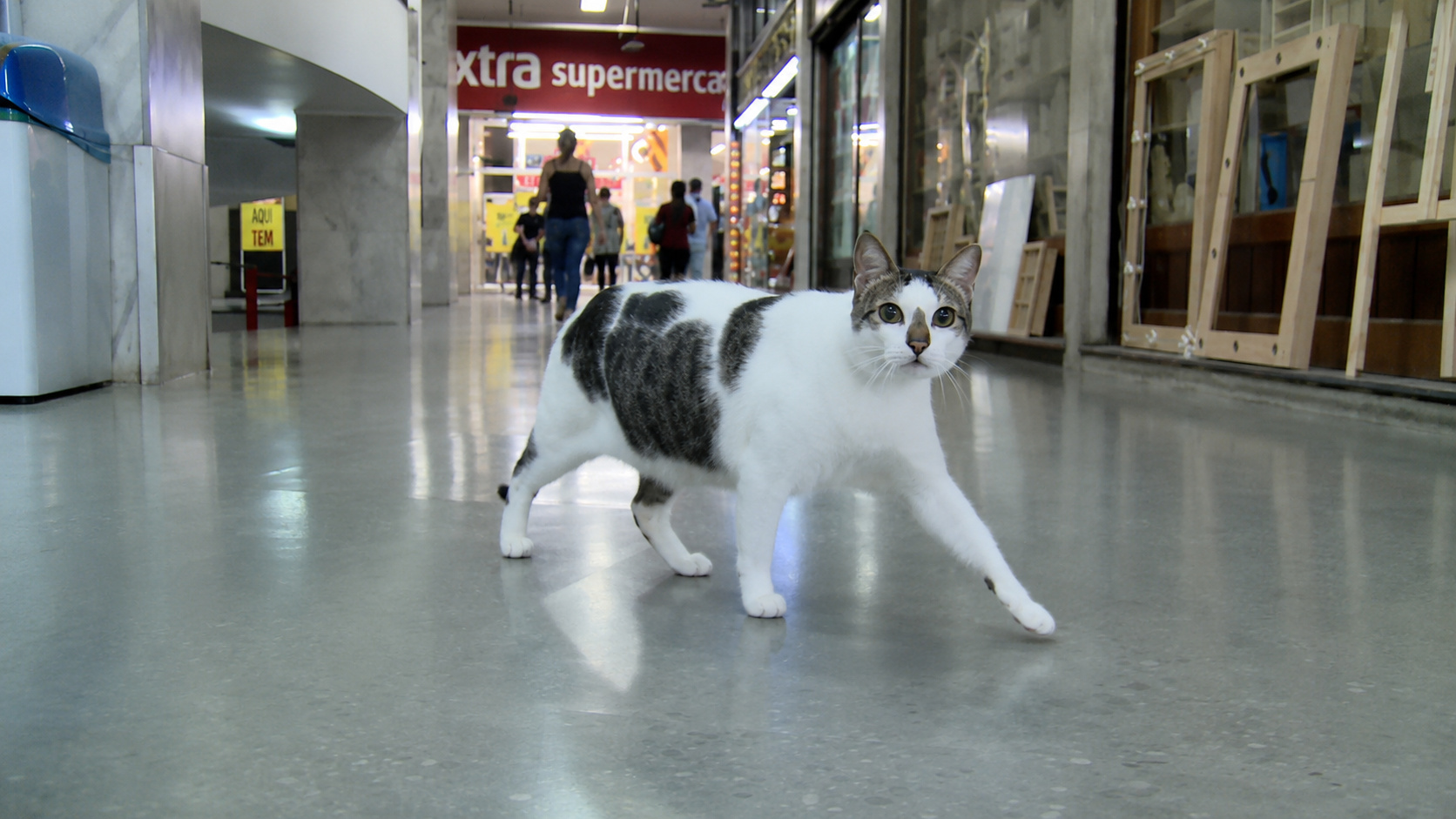

Rubinho was taken in by a shopkeeper in 2010, became a celebrity in a Copacabana gallery, and ended up at the center of a dispute over his movement around the place
Rubinho spent years walking calmly through the corridors of a shopping gallery in Copacabana, Rio de Janeiro. Known by shopkeepers and customers, the cat received affection, posed for photographs, and was already part of the establishment’s routine.
The situation changed when the condominium’s Board of Directors decided to restrict the movement of animals in the space. The rule required those responsible to accompany them with a collar and leash.
Since Rubinho was not used to these accessories, he started to stay inside Pedro’s store, the shopkeeper who had cared for him since 2010. The change divided opinions, mobilized animal defenders, and led the discussion to court.
-
Brazil Approves Proposal to Cap Vehicle Tax at 1% of Car Value

-
Brazilian Senate Approves Bill to Automate Child Support Payments Directly from Debtors’ Accounts

-
Brazilian Congress Advances Bill to Ensure Full Pension Benefits for Families Receiving Reduced INSS Death Benefits
-
Unusual Traffic Signs in Brazil: Wheelbarrow Ban, Crosswind Warning, and Customs Stop


Rubinho was found abandoned during construction work in the gallery in 2010
Rubinho’s story in the gallery began in 2010. During construction work at the establishment, Pedro found the abandoned cat and decided to take him in.
Pedro had been working in commerce for over 40 years. Since that encounter, the animal started to stay in his store and gradually won over the visitors.
The relationship became so close that it was hard to say whether Pedro had adopted Rubinho or if the cat had chosen the shopkeeper.
Rubinho turned the gallery into his only home. For approximately eight years, he roamed freely through the corridors and interacted daily with shopkeepers, employees, and customers.
Calm demeanor turned the cat into a celebrity among shopkeepers and customers
Rubinho’s calm personality helped make him well-known. The cat walked slowly, observed people, and usually accepted affection from visitors.
Some shopkeepers said they talked to the animal daily. According to them, Rubinho looked attentively at whoever was speaking, as if trying to respond.
The cat also posed for photographs and caught the attention of those passing through the gallery. In this way, he became the most famous resident of the establishment.
The name came from a joke with Rubens Barrichello, a former Brazilian Formula 1 driver. The reference was related to the slow and calm way Rubinho walked.
Condominium decision prohibited free circulation of the cat in the corridors
The routine began to change in June when the gallery’s Board of Directors established new rules for pets.
The regulation allowed circulation only when the animal was accompanied by its owner. Additionally, it required the use of a collar and leash.
Pedro did not agree with the measure. Rubinho had lived in the place for years without needing these accessories and considered the corridors part of his territory.
With the restriction, the cat began to stay inside the store for most of the day. A cardboard box was placed in the establishment so he could rest.


Change in routine reportedly left Rubinho and the merchant downcast
People close to them reported that Rubinho became sad after losing the freedom to roam the gallery. The animal stayed still longer and showed signs of dejection.
Pedro, who was 84 years old at the time, was also worried. The merchant feared losing the cat but couldn’t take him home because he already cared for other animals.
During weekends, Rubinho was taken to the home of Helena Pereira, considered his godmother. There, he found boxes to play with and hide in.
Helena recounted finding Pedro crying and very depressed. On that occasion, the merchant expressed fear that the cat would be permanently taken away from him.
Administration claimed Rubinho had attacked people and other animals
The vice-president of the Board of Directors, Ednamar Silveira Carvalho, presented another version about Rubinho’s presence in the corridors.
According to her, the cat showed skittish behavior and had reportedly attacked people passing through the gallery.
One of the episodes mentioned allegedly occurred in June of the previous year. On that occasion, Rubinho reportedly lunged at a lady passing by with a dog.
The representative also stated that other episodes had already been recorded. For this reason, the board considered it necessary to limit the animal’s circulation.
Rubinho’s Relationship with Dogs Increased Concern Inside the Gallery
Pedro recognized that Rubinho did not get along well with dogs. A sign placed in his store even warned that dogs could not enter the establishment.
The merchant, however, said that this reaction was natural when an unknown animal entered the cat’s territory.
According to him, Rubinho could show discomfort, but he usually did not attack people without reason.
The disagreement over the animal’s behavior increased the conflict. While some visitors defended the cat’s freedom, the administration claimed concern for safety.
The Cat’s Stay Alone at Night Also Entered the Discussion
The vice-president of the council stated that Rubinho remained locked in the store for many hours.
According to her account, the animal stayed in the location after closing, around 6 PM, until the store opened, approximately at 9 AM the next day.
She considered it inappropriate to leave the cat alone in a closed and unlit space all night.
Pedro, on the other hand, continued to argue that the gallery was Rubinho’s home. The animal was accustomed to the environment since he was rescued.
Prohibition Sparked Online Campaign and Mobilized Animal Defenders
The administrative decision generated a strong reaction among visitors and movements related to animal protection.
Campaigns began circulating online asking for Rubinho to regain the right to walk through the corridors.
The story gained space in newspapers and turned the cat into a symbol of the discussion about the presence of animals in collective commercial spaces.
Customers and merchants who lived with Rubinho also began to defend his stay. For them, the cat was already part of the gallery’s identity.
Dispute Over Rubinho’s Right to Circulate Ended Up in Court
The lack of agreement between Pedro and the Board of Administration led the case to the Judiciary.
The Justice needed to analyze the dispute involving the condominium rules, the safety of the visitors, and the relationship built between Rubinho and the gallery.
The case gained attention precisely because the cat was not just an occasional visitor. Since 2010, that space represented the only known home for the animal.
On one side, the administration defended rules to prevent new incidents. On the other, merchants, customers, and animal protectors asked for Rubinho to continue roaming freely.
The story was presented in a report by TV Globo, with testimonies from Pedro, Helena Pereira, Ednamar Silveira Carvalho, and gallery visitors.
The dispute showed how the presence of a community animal can create deep bonds and, at the same time, raise debates about coexistence, safety, and responsibility in shared spaces.
In your opinion, should Rubinho continue roaming freely in the gallery where he has lived since 2010?