Portuguese
  Spanish


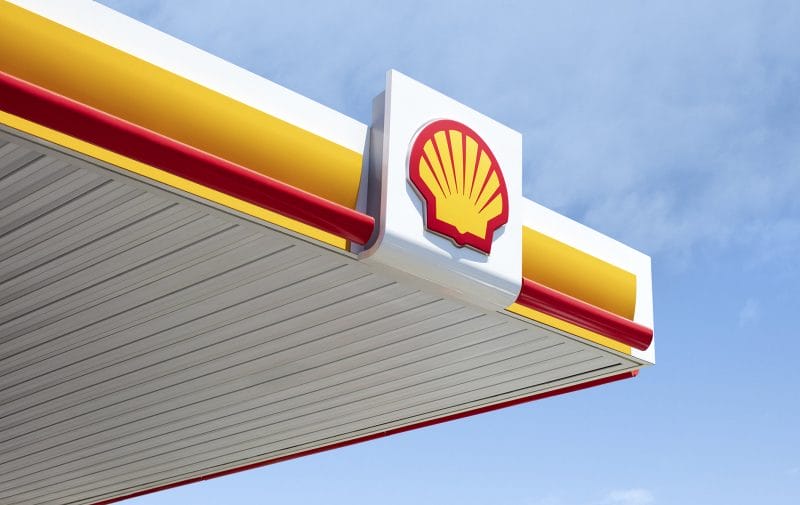

Upon Completion of the Campaign in April 2025, It Is Expected That the Longarina Perdido Wells Will Produce Up to 22,000 Boed at Peak Rates.
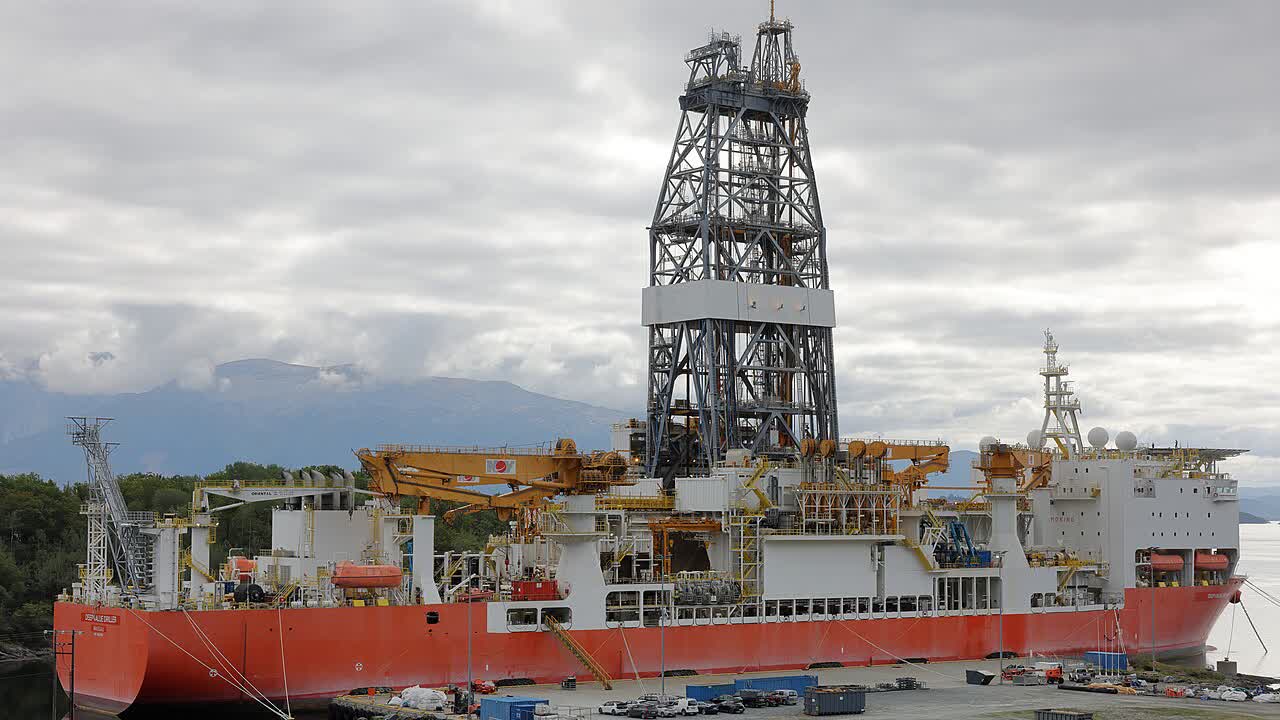
Shell Offshore Inc., a subsidiary of Shell plc, has announced the Final Investment Decision (FID) for a phased campaign aimed at increasing oil production at the Great White unit in the U.S. Gulf of Mexico (GOM). This campaign aims to deliver three wells at the Perdido platform, designed to boost oil production in the region. Following the completion of this campaign in April 2025, the expectation is that these wells will produce up to 22,000 boed at peak rates. The investment underscores Shell’s long-term commitment to the U.S. Gulf of Mexico, where oil production is essential to ensuring a reliable and secure energy supply.
The Perdido platform, which began production in 2010, is located approximately 320 kilometers south of Galveston, Texas, at a depth of about 8,000 feet. The phased campaign includes three wells that, combined, are expected to produce up to 22,000 boed at peak rates, contributing to oil extraction in the region. The production capacity of Perdido is 125,000 boed at peak. Shell is the leading operator in the U.S. Gulf of Mexico and continues to find ways to develop this position, expanding development in Perdido to extract the greatest value from this exceptional resource. The reference to the fact that Shell’s production in the Gulf of Mexico is among the lowest greenhouse gas intensity in the world is a comparison against other oil and gas producing members of the IOGP.
Oil Production: Challenges and Opportunities
Oil production is one of the pillars of the petroleum industry, involving the extraction of oil from underground reservoirs through oil exploration. This process can be carried out through a phased campaign, such as the one conducted in the Perdido longarina field, in Mexico. During this campaign, peak production rates were achieved, demonstrating the production capacity of the region.
-
OPEC+ Boosts Oil Supply by 188,000 Barrels per Day in July 2026, Leading to Price Drop from $112 to $89 per Barrel in Under Two Months

-
TotalEnergies Signs 20-Year Deal to Purchase 2 Million Tons of LNG from Alaska, Boosting Project Viability
-
Turkey Deploys Çağrı Bey Drilling Ship to Explore New Oil Frontier Off Somalia’s Coast
-
Golden Pass LNG Ships First Liquefied Gas Cargo from the U.S., Completing $10 Billion QatarEnergy and ExxonMobil Investment


However, oil production faces various challenges, including the tightening of environmental regulations related to greenhouse gas emissions. Additionally, the depth of oil wells can impact the economic viability of production.
In the current landscape, it is essential to seek innovative solutions to optimize oil production, aiming to meet global energy demand. This includes investing in technologies that reduce greenhouse gas intensities, promoting responsible oil production.
While oil exploration faces challenges, it also offers opportunities for the development of more efficient and sustainable technologies. With a continuous focus on innovation, the oil industry can overcome the challenges of oil production, ensuring a reliable energy supply for the future.
Source: World Oil