Portuguese
  Spanish



Petrobras’ Wind Energy Project in the Santos Basin Is Being Developed in Collaboration with UFRJ and USP
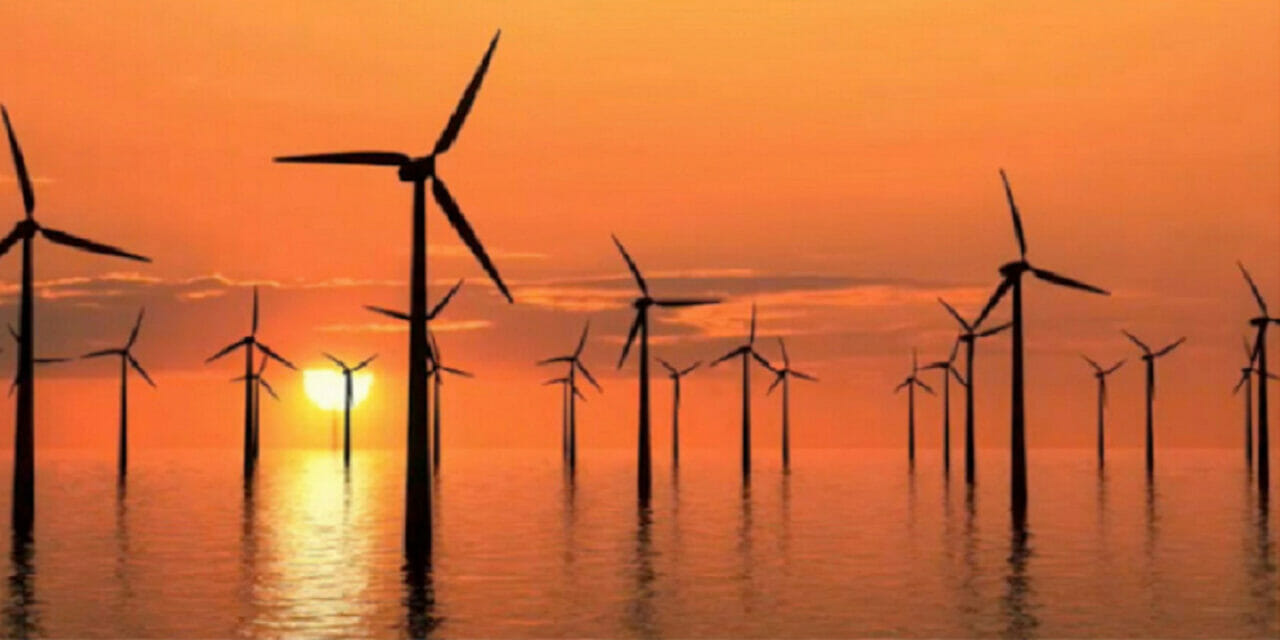
Petrobras is leading a pioneering project in Rio de Janeiro aimed at revolutionizing the production of offshore wind energy. Using a structure that simulates a floating platform, Petrobras is testing a groundbreaking model for generating offshore wind energy in the Santos Basin, according to Jornal da Band. Developed in collaboration with the University of São Paulo and the Federal University of Rio de Janeiro, the project is in the testing phase until the end of the year, with promising results.
Testing the Waters in the Santos Basin with Floating Wind Energy
Petrobras’ goal with the project is to create a unique floating wind technology in the world, capable of operating in waters with depths of up to two thousand meters. To achieve this goal, extensive research was conducted on various types of platforms for wind turbines, considering depths and optimizing aspects such as movement, costs, and manufacturing.
Although requiring more complex construction and maintenance, these offshore wind farms of Petrobras in the Santos Basin have a substantially greater capacity to generate electricity compared to their land-based counterparts.
-
Over 60 Tractors Take to the Streets in Lopera as Solar Parks Compete with Olive Groves, Affecting 13,000 to 100,000 Trees According to Conflicting Reports

-
Green Hydrogen Projects in Northeastern Brazil Stalled for 18 Months Awaiting Government Decree, Delaying Billions in Investments
-
Brazil Concludes Largest Energy Auction in History, Secures 18.97 GW and Mobilizes $12.8 Billion to Ensure Supply Until 2031
-
How Norway Produces More Energy Than It Consumes with Nearly 1,800 Hydropower Plants and Over 1,100 Reservoirs


Offshore Wind Energy and Its Future Prospects
The innovative project in the Santos Basin not only expands the boundaries of wind energy production but also aligns with the Petrobras strategy for reducing emissions of carbon in its operations on oil platforms. Offshore wind energy is emerging as a solid bet for a more sustainable future. It is no longer a distant vision, but rather a present that is gradually strengthening. In the next five to ten years, an increasingly notable presence of offshore wind turbines is expected, significantly contributing to the energy matrix.
Through this pioneering initiative, Petrobras not only demonstrates its capacity for innovation in the Santos Basin but also contributes to a positive transformation in the energy sector. The potential of floating offshore wind turbines promises to broaden the range of possibilities for generating clean and sustainable energy, driving a future where reliance on non-renewable sources is increasingly reduced.