






 Portuguese
  Spanish
  3 min of reading
  0 comments


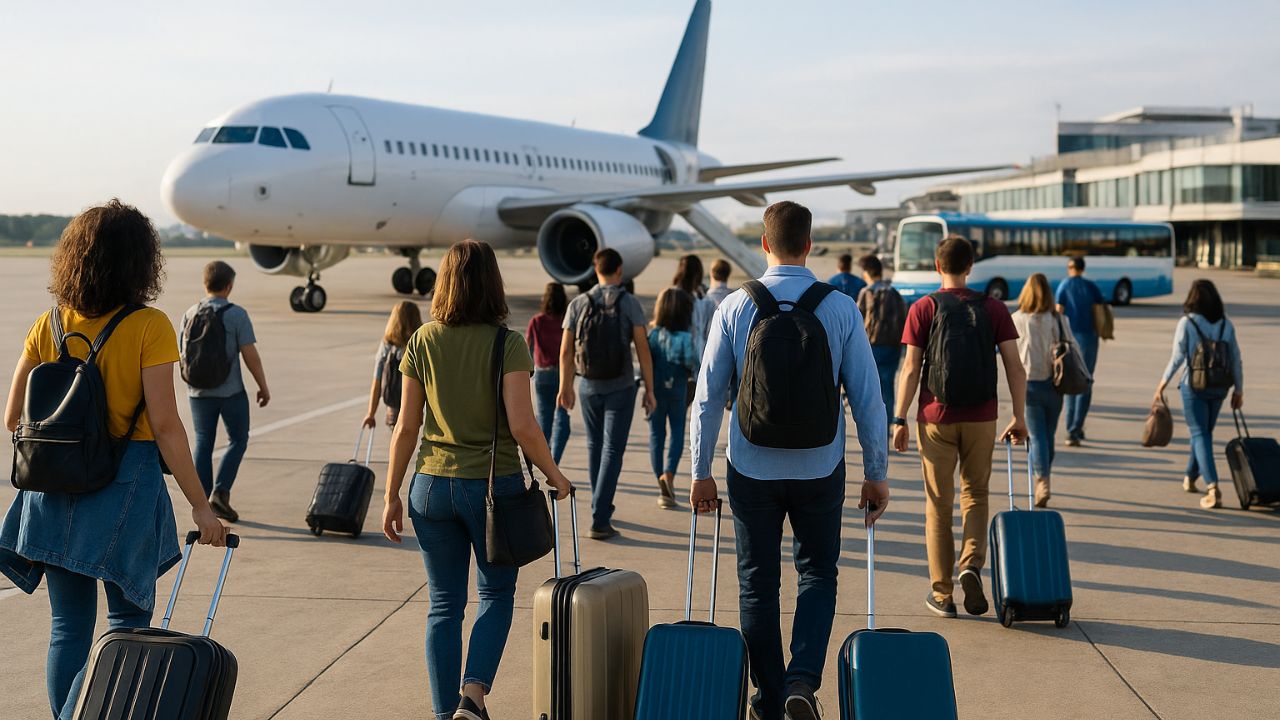
School Holidays and Air Transport Increase Tourism in Brazil to Record Revenue of R$ 127 Billion, Reports FecomercioSP.
The national tourism sector recorded a record revenue of R$ 127.7 billion between January and July 2025, according to a survey by FecomercioSP.
The result, based on data from IBGE, represents the highest figure ever recorded for the period and confirms the strength of the sector in the country.
In July alone, the month of school holidays, revenue reached R$ 19.7 billion, a growth of 4.3% compared to the previous year.
-
Brazilian Joins Homeownership Consortium, Faces Decade of Dual Payments Totaling $141,000, Surpassing Traditional Mortgage

-
Land Rover to Halt Production in July, Putting 371 Jobs at Risk, as Chinese Automaker Negotiates to Convert Factory to 100,000 Vehicles Annually by 2027

-
Mexican Pest Threatens U.S. Cattle Herds at Historic Lows, Potentially Boosting Brazilian Beef Exports as Burger Prices Soar

-
Brazilian Freight Bill Progresses in Congress with $5,000 Minimum Wage, 70% Advance Payment, and Fines Up to $1 Million, as Agriculture and Industry Warn of Rising Costs and Legal Uncertainty


School Holidays Drive Tourism and Strengthen Economy
The performance in July was crucial for the positive result, as the holidays led millions of Brazilians to travel.
Moreover, factors such as a heated job market and the gradual reduction of inflation contributed to improving family budgets, stimulating consumption in travel and accommodations.
According to FecomercioSP, “this scenario favored travel planning, especially installment plans,” making the experience more accessible for Brazilians.
Air and Road Transportation Show Significant Growth
Transport was one of the major drivers of record revenue in tourism. The air sector reached R$ 5.3 billion in July, registering a year-on-year increase of 9.7%.
Anac reported that 9 million passengers were transported, the highest number in the historical series for the month.
Airfare also experienced strong growth, with an increase of nearly 20% between June and July, reflecting the high season.
Meanwhile, road transport followed the trend and saw a rise of 5.3% in the same period.
States Lead Regional Growth in Tourism
The survey revealed that tourism performance varied among Brazilian states. Rio Grande do Sul was the standout, with an annual growth of 24.6% in July.
Close behind were Mato Grosso do Sul (12.9%), Amazonas (10.9%), and Ceará (6.7%), establishing themselves as important tourist destinations.
São Paulo, the largest market in absolute numbers, generated R$ 4.86 billion in July, growing 2.1% compared to the same month last year.
In contrast, some states experienced declines, such as Minas Gerais (-7.3%), Santa Catarina (-6%), and Tocantins (-5.7%).
Tourism Expected to Maintain Pace with Resumption of Business Travel
Although the boost in July came from school holidays, the expectation is that the coming months will be marked by a new movement: the resumption of business travel.
FecomercioSP assesses that the sector should maintain a growth trajectory above the average of other segments of the economy, consolidating tourism as one of the most dynamic activities in the country.
Record Revenue Reinforces Importance of Tourism in Brazil
With over R$ 127 billion generated by July 2025, tourism confirms its relevance as an economic driver, strengthening sectors such as hospitality, food, and transport.
The optimistic scenario signals not only the recovery of the sector but also the consolidation of Brazil as one of the main tourist markets in Latin America.





Be the first to react!