Portuguese
  Spanish


Carbon capture in waste plant will be tested in Singapore to reduce emissions from burning, but the project still needs to show how the gas will be treated.
What happens to the smoke from a plant that burns waste when the material turns into electricity? Singapore is preparing a carbon capture to test a response in one of its waste-to-energy plants.
On June 17, 2026, the Ministry of Sustainability and the Environment, Singapore’s government environmental agency, announced it will launch a carbon capture pilot project. The initiative targets emissions generated by urban waste burning, without presenting operational results.
The novelty matters because turning waste into electricity solves only part of the problem. The burning smoke still requires control, and capturing carbon dioxide requires equipment, energy, and a clear definition of the destination of the separated material.
-
Half of Brazil’s Federal Public Works Projects Stalled: Audit Reveals 11,469 Abandoned Constructions and Billions Spent Without Delivering Schools, Hospitals, or Roads
-
End of an Era: Major Company Shuts Down Factory After 64 Years, Leaving Over 150 Unemployed; Facility Produced 85,000 Tons Annually of Essential Tire Material
-
End of an Era: Major Company Shuts Down Factory After 64 Years, Leaving Over 150 Unemployed; Facility Produced 85,000 Tons Annually of Essential Tire Material
-
End of an Era: Major Company Shuts Down Factory After 64 Years, Leaving Over 150 Unemployed; Facility Produced 85,000 Tons Annually of Essential Tire Material
Urban waste can generate electricity, but burning still releases gases
A plant that uses urban waste to generate energy utilizes the heat from burning to produce electricity. This can reduce the volume sent to landfills, but it does not make the emission disappear.
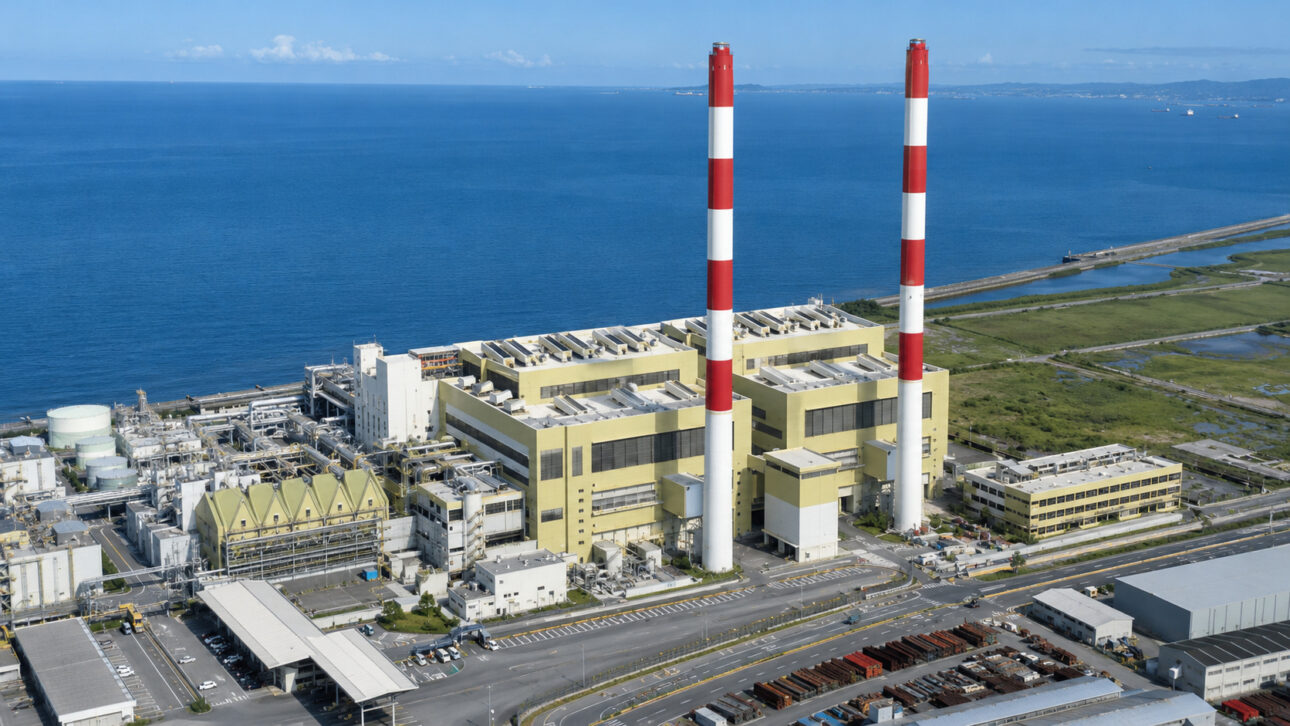
Carbon dioxide, known as carbon gas, comes out along with other gases generated in the process. Therefore, generating energy from waste and reducing carbon emissions are different tasks.
There is also a difference between recycling, reusing, and burning waste. Carbon capture acts after burning, when the gas is already in the plant’s smoke.
Carbon capture in waste plant does not work like a common filter
Carbon capture is a step made to separate carbon dioxide from other gases. After that, the material needs to undergo treatment and proceed to storage or use in another activity.
This type of structure requires additional equipment and may demand more energy to operate. Therefore, the test needs to show how the plant will continue generating electricity while operating the separation system.
The difficulty is not just in removing the gas from the smoke. The process also depends on technical control to keep the operation stable and prevent the separated carbon from returning to the atmosphere.
Pilot project needs to resolve the destination of the separated gas
Capturing the gas is only the first part. After separation, the carbon dioxide needs to go to a storage location or for a defined use.
The announcement did not detail whether the carbon will be transported, stored, or used after capture. This is one of the points that need to be clarified before a possible expansion of the project.
Without a path for the separated material, carbon capture does not complete its function. Therefore, the pilot will have to evaluate the entire route, from the plant’s smoke to the final destination of the gas.
Dense cities face little space for waste and less margin for emissions
Singapore treats waste management as a challenge involving space and emissions. In dense cities, reducing the amount of waste sent to landfills is important, but the smoke from plants also needs to be considered.
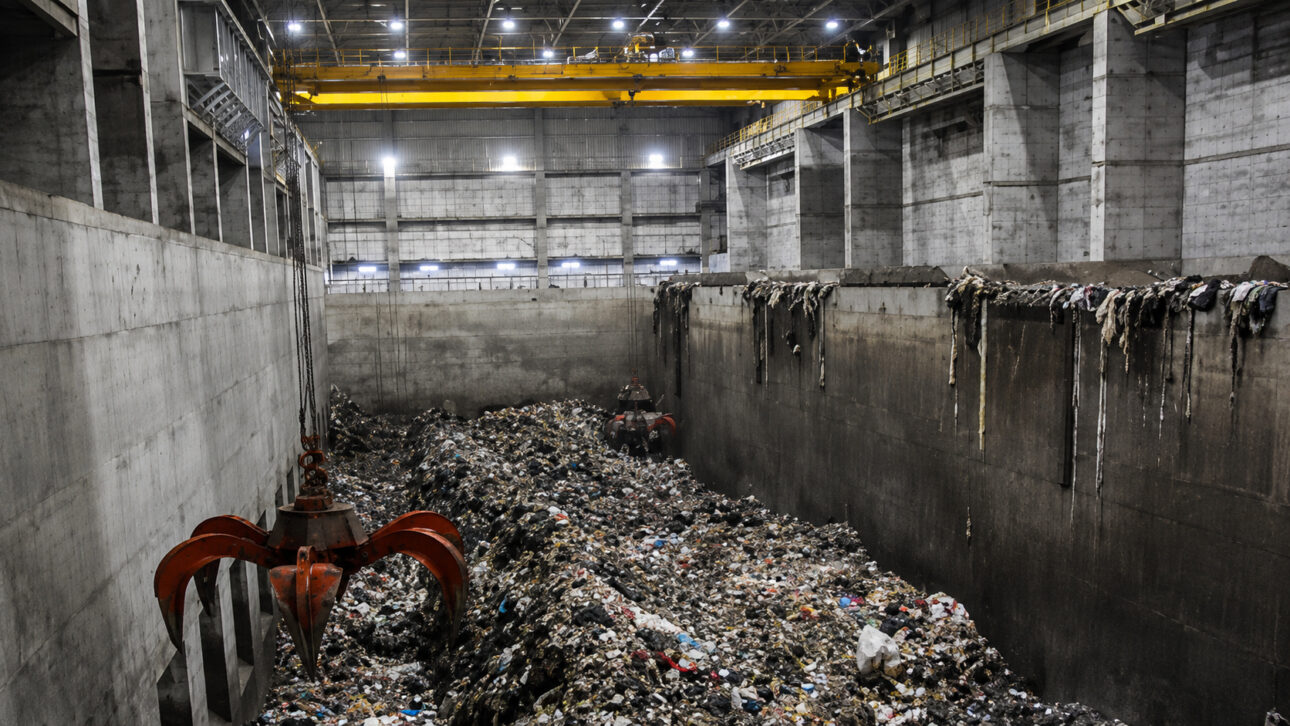
Carbon capture appears as an attempt to control part of these emissions. It does not replace waste reduction, material reuse, or recycling.
The main lesson from the pilot is in the overall process. Energy from waste can be useful, but it does not eliminate the environmental impact of burning alone.
Carbon capture is not authorization to produce more waste
A plant can generate electricity from waste, but this does not make all waste a desirable energy source. Less consumption, more reuse, and proper disposal remain important steps before burning.
Singapore’s project draws attention because it takes the discussion beyond collection. The question is not just where the waste goes, but also what happens to the gas released when it is transformed into energy.
The initiative announced in Singapore is still in the testing phase, with no capture results published. The next step will be to show if the gas separation can work within the routine of a plant that receives urban waste.
Even with energy utilization, the smoke remains part of the problem. Carbon capture can reduce some of the emissions, but it will only have real value when the entire gas pathway is defined.
In your opinion, is it worth investing in carbon capture at waste plants, or should cities focus more resources on reducing waste before burning?