Portuguese
  Spanish


The startup Umbloco prepares for international expansion to Portugal in 2026. Discover the plastic brick system that revolutionized civil construction.
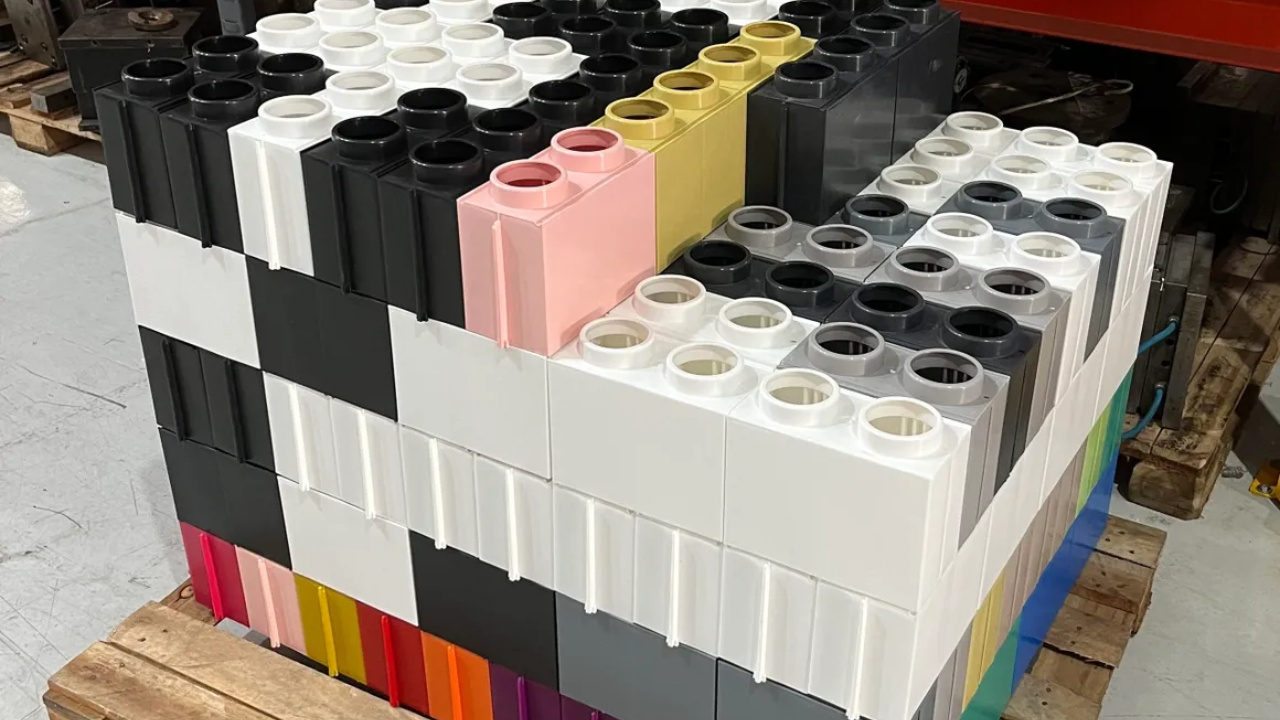
The Brazilian startup Umbloco revolutionized the civil construction market by developing modular bricks made from recycled plastic that reduce construction costs by up to 40% and accelerate delivery time by 90%. The innovation was conceived by the administrator Lucas Lopes, 33, and his partner Fabio Iori, who officially launched the company in 2023 after two years of scientific testing in the state of São Paulo.
Motivated by Brazil’s alarming scenario as one of the world’s largest producers of plastic waste, the duo created a quick-fit system inspired by Lego blocks to combat material waste on construction sites and democratize access to sustainable architecture.
Today, the business serves major national brands and is already preparing to expand the technology towards Europe.
-
Tarcísio Opens New São Paulo Metro Line After 18-Year Wait, Offering Free Rides at 6 Stations and Aiming to Cut Commute to 23 Minutes for 633,000 Daily Passengers

-
Facing a housing shortage, Hong Kong uses prefabricated concrete modules to construct a 12-story public building with the help of massive cranes and trucks.

-
Amsterdam Repurposes Retired Boats and Plants to Restore Contaminated Industrial Land Instead of Removing All Polluted Soil
-
Saudi Arabia to Build 33,000-Seat Desert Arena with Retractable Roof and Clay Courts for 2028 Masters 1000 Tournament


Recycling partnerships and the circular economy with major brands
The commercial growth that enabled this international expansion gained traction in 2024, when the holding company Moreco acquired a 30% stake in the startup.
This investment allowed the modular construction model to gain space in the franchise market, using showcases set up at the Brazilian Franchising Association (ABF) fair to boost corporate sales.
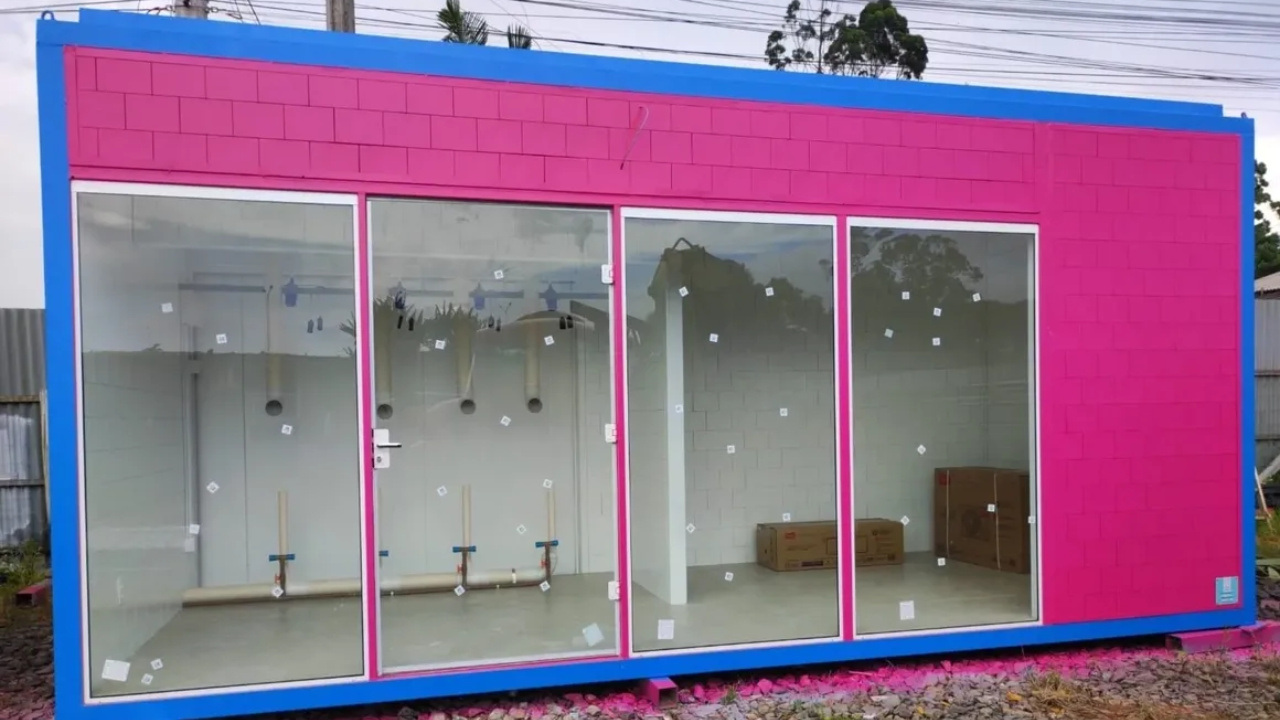
So far, Umbloco has removed more than 100 tons of waste from circulation, completing around 50 customized projects for renowned brands such as Localiza, Havaianas, Chili Beans, and Fini.
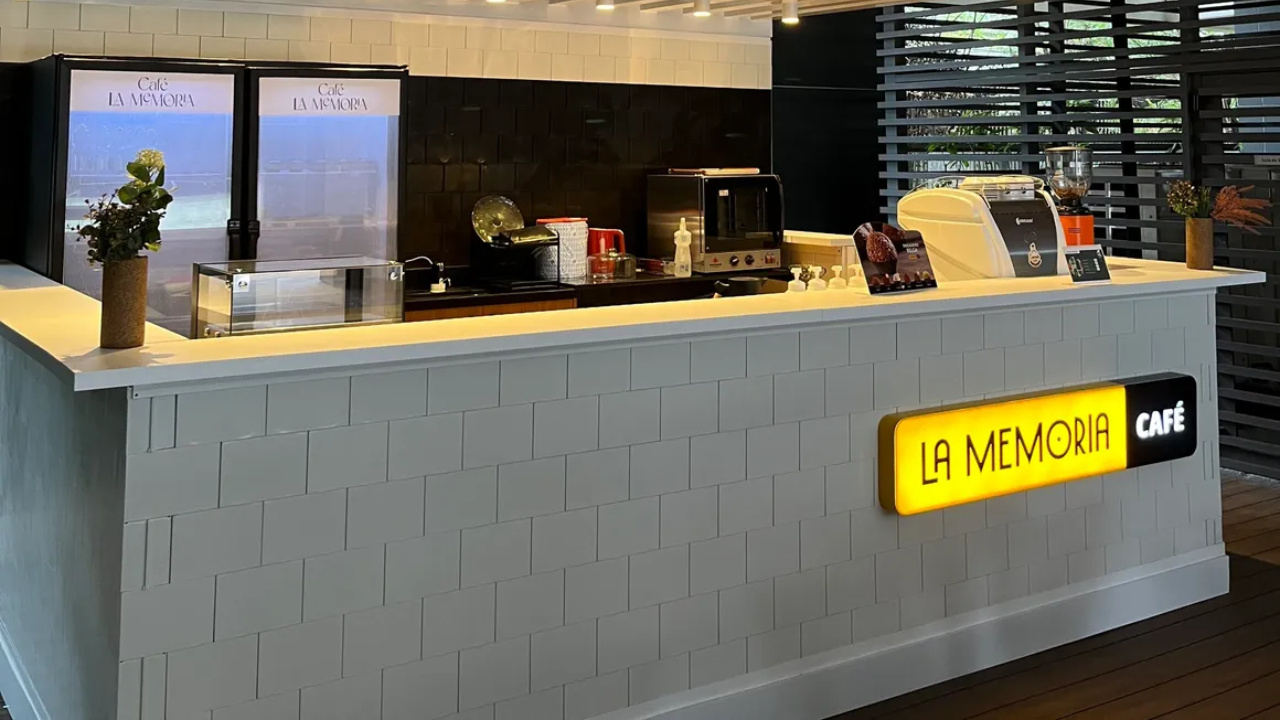
The business efficiency allowed the creation of closed recycling systems for the partners themselves:
- The Best Açaí: The food chain directs its empty product pots to the startup, which reuses the plastic material to manufacture components for the franchise’s new modular stores.
- 3 Corações: The approach initiated during the Web Summit Rio technology event in 2025 resulted in a recycling project for the brand’s used espresso coffee capsules. A specific industrial process separates the aluminum from the plastic waste, directing the polymer directly to become new interlocking blocks.
Two industrial stages in the interior and Greater SP
The entire logistics operation that allows these capsules and pots to be transformed into commercial walls is strategically divided between two manufacturing units in the state of São Paulo. The initial raw material is collected directly through contracts with waste picker cooperatives and partner recycling industries.
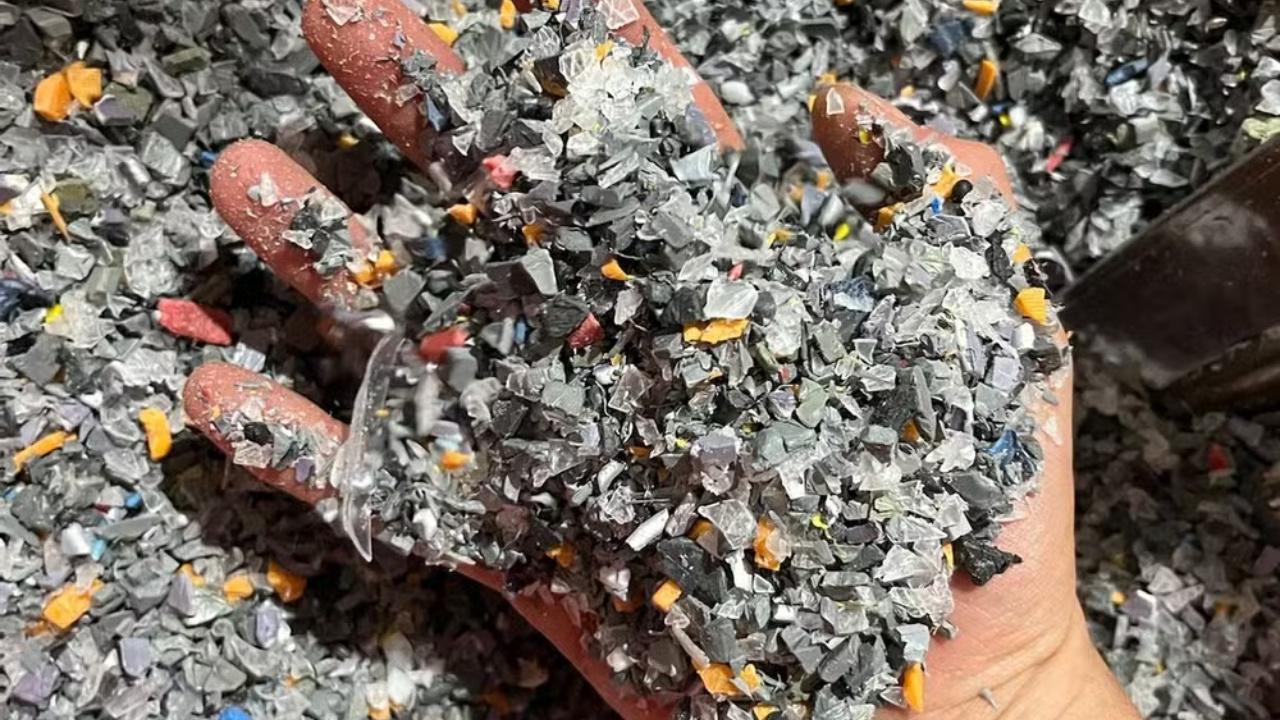
The transformation flow of plastic packaging follows strict processing steps:
- Treatment in Bragança Paulista (SP): In this first unit, the received plastic inputs undergo thorough sorting and receive the addition of chemical additive compounds.
- Molding in Santo André (SP): The processed material is transported to the second factory, where it is injected under pressure to become the definitive plastic bricks.
- Structural installation: On the construction site, the blocks are stacked by perfect fitting, receiving facilitated hydraulic and electrical wiring through the hollow design, along with an internal metal frame that ensures complete support and safety of the walls, without the need for mortar.
Recycled bricks: From college project to IPT validation
The story behind the development of these alternative bricks began when Lucas Lopes, 33, was still studying business administration. He sought inspiration from his family’s long history in the civil engineering field to create his final course project (TCC).
Disturbed by the fact that the country recycled only 1.2% of its plastic waste at that time, he designed a business prototype aimed at the modular market. “I understood the market’s pains and already looked at modular construction as the future,” recalls the administrator.
Before opening the company’s doors to the B2B segment and overcoming market resistance, Lopes presented the idea to Fabio Iori, 33, who joined the project in 2021.
The partners spent about two years refining the formula and design of the blocks. This maturation process and mechanical resistance testing took place within acceleration programs in cooperation with Sebrae and the Institute for Technological Research (IPT).
The focus of the engineering has always been tied to the economic factor of the end customer, ensuring that plastic worked as a safe substitute for traditional concrete. “There’s no point in having an amazing solution that people can’t afford. We always thought about democratizing technology,” concludes Lopes.