Portuguese
  Spanish


Muography in submerged tunnel measured water and sediments in Shanghai, revealed the effect of tides, and tested inspection without drilling the ceiling.
Scientists used particles from space that passed through water, concrete, and sediments to examine what was above a submerged tunnel in Shanghai. The measurement was done without opening the ground and without drilling the ceiling of the structure.
The technique was named muography. It counts natural particles called muons and uses the difference in their passage to indicate changes in the materials above a sensor.
Kim Siang Khaw, academic page of Shanghai Jiao Tong University, published on September 16, 2025 the results of the pilot conducted in the Shanghai Outer Ring Tunnel, under the Huangpu River. The test took place during the maintenance of the structure, from March 2024 to March 2025.
-
Astronomers Use James Webb Telescope Data to Trace the Path of Giant Exoplanet WD1856b, Which Survived Its Star’s Destruction and Migrated to a Close Orbit 80 Light-Years from Earth

-
After 79 Attempts, Students Create Corn Waste Bioplastic That Turns into Fertilizer and Grows Plants When Buried
-
Brazilian Public School Students Win $5,000 at World’s Largest Science Fair with Innovative Water Filter Made from Local Charcoal

-
Xiaomi Launches 17T in Brazil with 120x Zoom, 6,500 mAh Battery, and Leica Cameras to Rival iPhone


What are the muons that come from space
Muons are particles produced when cosmic rays hit the Earth’s atmosphere. They pass through the air and reach the ground all the time, even in urban areas.
Some of these particles can pass through buildings, earth, water, and concrete. The amount that reaches the detector changes when there is more or less material in the way.
This difference allows for an indirect reading of the environment. Muography does not create a colored photograph of the interior of the ground, but it helps to detect changes in the amount of water, concrete, and sediments above a structure.
How muography observed the submerged tunnel in Shanghai
The equipment was installed inside the Shanghai Outer Ring Tunnel. The detector counted the muons that managed to pass through the layers above the structure, including the river water, the sediments accumulated on the bed, and the concrete of the ceiling.
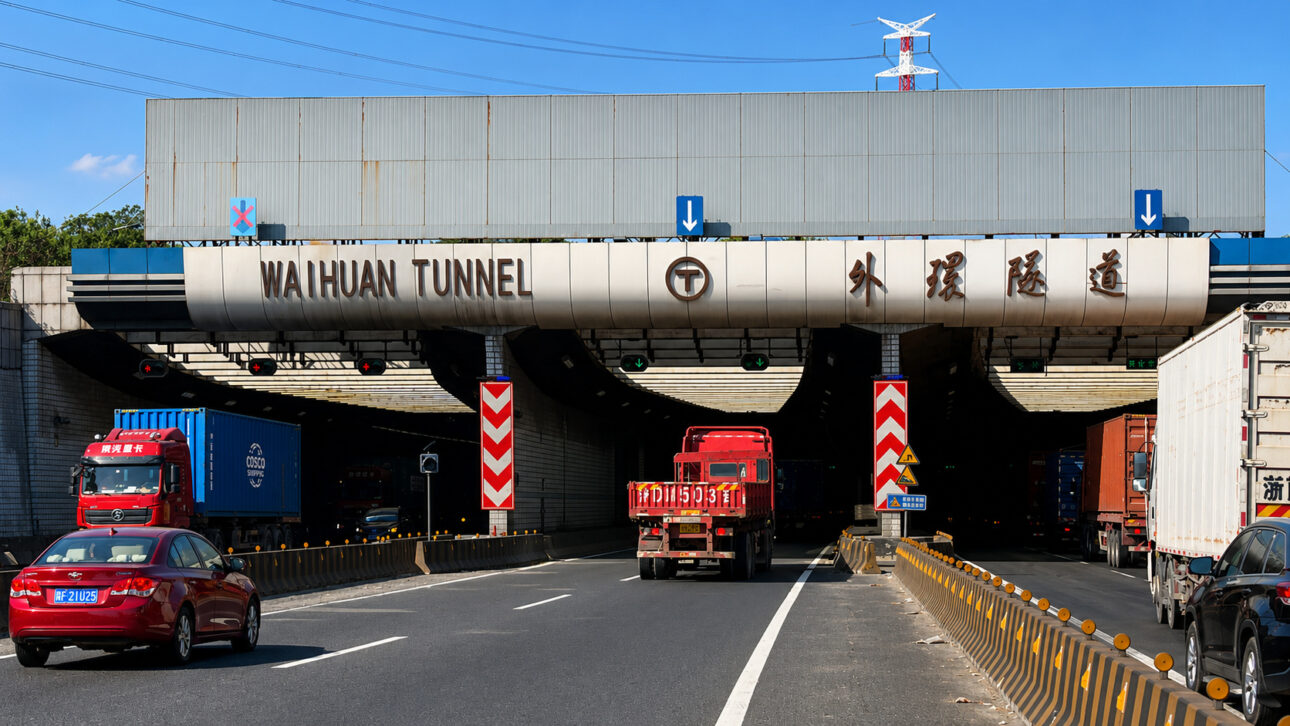
Between December 26 and 27, 2024, the team traveled through the tunnel with the portable device to take measurements along the structure. The reading points were separated by 50 m, creating a general picture of the differences found along the route.
Kim Siang Khaw, academic page of Shanghai Jiao Tong University, detailed that the research combined on-site measurements and simulations to compare the behavior of particles with the materials above the tunnel.
When the tide rises, fewer particles reach the sensor
The water from the Huangpu River also interferes with the reading. When the tide rises, the water layer above the tunnel increases, and a smaller amount of muons reaches the detector.
When the tide goes down, more particles can make their way to the device. The pilot recorded a reduction of about 4% in the muon flow for each meter of water level increase.
This reaction showed that muography can detect changes caused by tides. Even so, the reading needs to be analyzed carefully, as water and sediments can alter the results simultaneously.
Sediments above the tunnel can alter the pressure on the structure
Sediments are materials accumulated at the bottom of rivers, such as sand, mud, clay, and organic matter remains. They can change position, increase in volume, or retain more water over time.
In a submerged tunnel, these changes can alter the load on the concrete. When the ground moves unevenly, parts of the structure may experience different pressures.
Submerged tunnel inspection helps engineering teams monitor these variations before they require a deeper investigation. Muography can offer a complementary signal without requiring immediate drilling into the ceiling.
The technique does not replace inspections and still requires specialized analysis
The test in Shanghai was a pilot. It showed that muons can help monitor water and sediments above an underground structure, but it did not create a ready system for any tunnel.
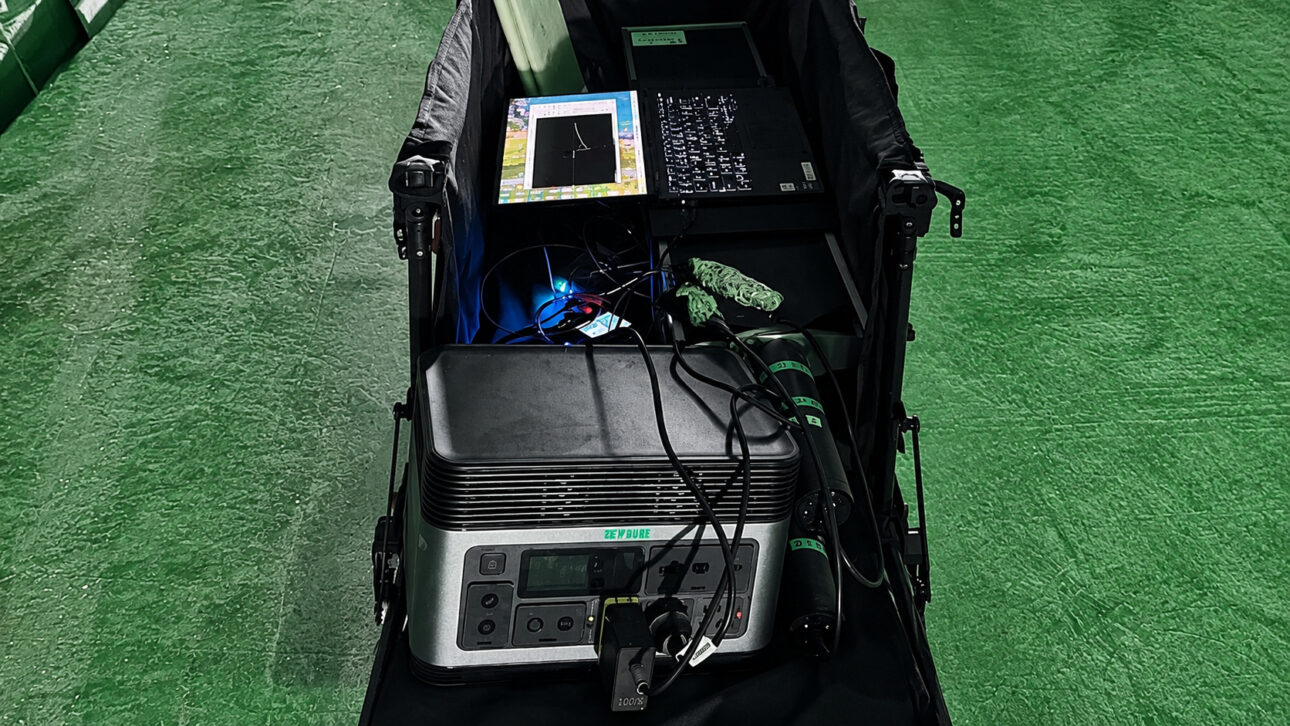
The detector used in the study received particles from various angles. This reduces the precision to pinpoint exactly where a change is within the soil or sediments.
There are also differences in the density of water and soil. A wetter, more compact layer of mud or mixed with other materials can change the particle reading.
Therefore, muography requires calibration, suitable sensors, simulations, and professionals capable of interpreting the data. It serves as support for inspections, not as a final answer to all the risks of a construction.
Invisible particles can help monitor constructions under rivers
The pilot in the Shanghai Outer Ring Tunnel showed that cosmic particles can be used to observe variations above a submerged structure without drilling holes in the ground or piercing the concrete.
The technique still needs improvements before becoming routine in underground constructions, but it already reveals an important possibility for monitoring areas difficult to reach with common methods.
Do you think particles from space could help identify risks in tunnels, bridges, and other constructions under rivers in Brazil? Leave your opinion in the comments and share this post.