






 Portuguese
  Spanish
  3 min of reading
  26 comments


During Historic Outage in Japan, 106 Toll Booths Released 960 Thousand Cars. Even Without Obligation, 36 Thousand Drivers Registered and Paid Online
Imagine this scene: you are driving down the road, you reach the toll booth and… the barrier is raised. The automatic system crashed and no one is charging anything. You accelerate, pass right through, and continue your trip. Now comes the question that everyone is asking: would you pay later, on your own?
Well, this actually happened in Japan. And the craziest part: thousands of drivers decided to pay even without obligation.
What Happened?
It was on April 8, 2025. A blackout affected the toll collection system of NEXCO Central, one of the largest highway operators in Japan. For 38 hours, the system was completely down. No automatic charges, no functioning barrier. The result? Traffic was jammed on 17 highways, including those leading directly to Tokyo, the economic heart of the country.
-
Survivor of 1966 SS Daniel J. Morrell Shipwreck in Lake Huron Recounts 38-Hour Ordeal in Extreme Cold

-
The Greatest Hoax in World Cup History? The Film That Denied Brazil’s 1958 Victory and Exposed How Fake Evidence Can Seem Convincing on TV
-
Fake South Korean Online Stores Offer Shopping Thrill Without Spending Money or Receiving Products
-
The War of Jenkins’ Ear: How a Severed Ear Sparked One of the 18th Century’s Most Unusual Conflicts


And since many toll booths in Japan no longer have staff, everything is automated, there was no way to charge in the traditional manner. The company’s solution? Raise the barriers and let everyone pass freely to avoid an even greater collapse.
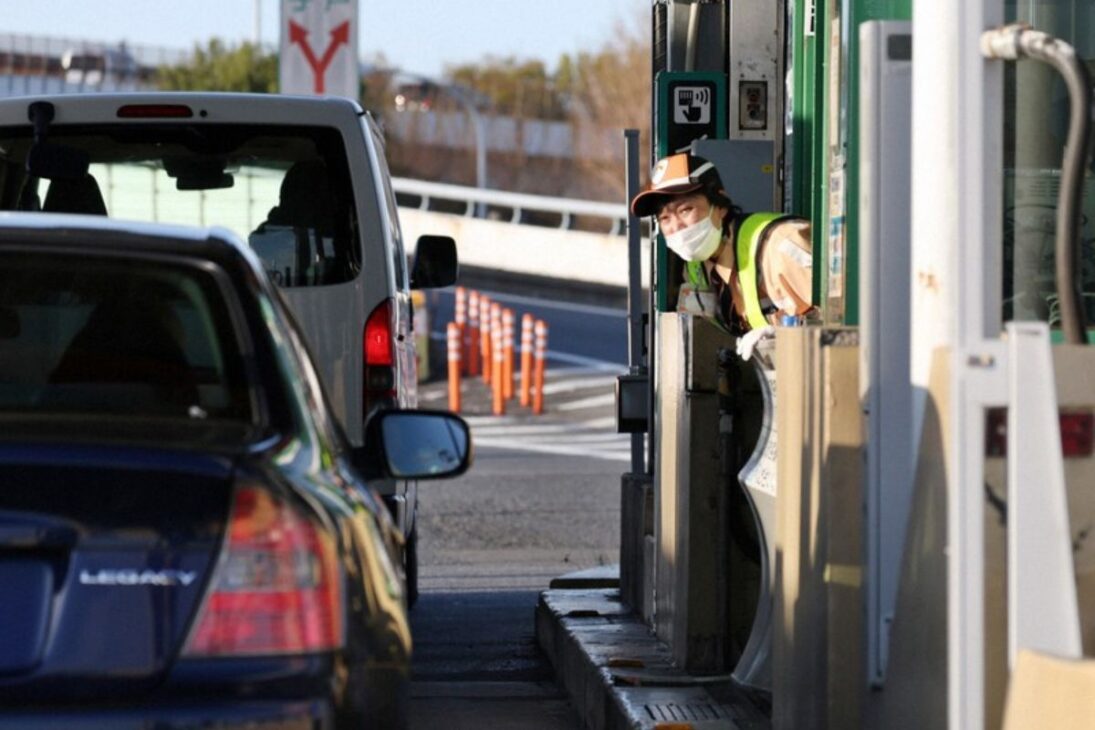
And What Did the People Do?
You might be thinking: “the guys took advantage and went through for free.” Some did, of course. But the surprise was that more than 36 thousand drivers went to the NEXCO website later and filled out a form stating exactly which sections they used and how much they owed. All of this was done voluntarily.
This represents about 3.8% of nearly one million cars that passed through the tolls during the blackout. It may seem small, but think about it: no one was obligated, the failure was the company’s, and still, tens of thousands of people made a point to pay.
Japan Is Truly Different
For those who know a bit about Japanese culture, this might not be so shocking. There, following rules and doing what is right, even when no one is watching, is part of daily life. While in many countries this blackout would turn into a “free toll holiday,” there it became a sort of collective character test.
Moreover, the company itself, in a decidedly polite gesture, promised to refund the money to those who paid, to maintain equity with those who did not pay. NEXCO Central also reported: more than 1.2 billion yen lost (equivalent to about 7 million euros) due to the error, and yes, they publicly apologized, as is customary in Japan.
But It’s Not All Rosy
Of course, not everything is a moral lesson. The episode also raised an important alert: the Japanese toll collection system is vulnerable. A simple error in a software update was able to bring the system down for nearly two days. And during that time, the only solution was to open everything and trust the goodwill of the drivers.
Even so, the company emphasized that, although the error was theirs, “the right thing would be for everyone to pay,” a phrase that divides opinions, especially when the loss came from within the company itself.
And Here in Brazil, Would This Happen?
The question remains: if it were here, would people pay later? Or would we turn into a national meme with the “free toll holiday”?
The truth is that the Japanese case shows that, even in an increasingly technological and automated world, people’s behavior still makes all the difference. And that honesty sometimes appears where we least expect it, or where it is already part of the culture.





Mas que FAKE NEWS é essa!!! Antes de soltar uma notícia, aliás, contos de fadas ou contos da carochinha, pesquise para não passar vexame!!!! se houver um problema no sistema de pagamento e as cancelas estiverem erguidas, você não pode simplesmente sair sem pagar.
O que acontece em casos de falha do sistema (especialmente o ETC – Electronic Toll Collection) é o seguinte:
* As cancelas podem ser abertas para evitar congestionamento. Isso é feito para manter o fluxo do tráfego, mas não significa que a taxa foi isenta.
* Você ainda é obrigado a pagar o pedágio.
Agora faça uma reportagem , comparando o serviço e valores , das empresas japonesas e brasileiras . E como bônus, comente o respeito, das mesmas empresas , em relação a seus clientes . Aí o absurdo , da diferença de cultura e educação, será infinito.
E quase 97% não pagou. Onde entra a educação e cultura aí?