Portuguese
  Spanish


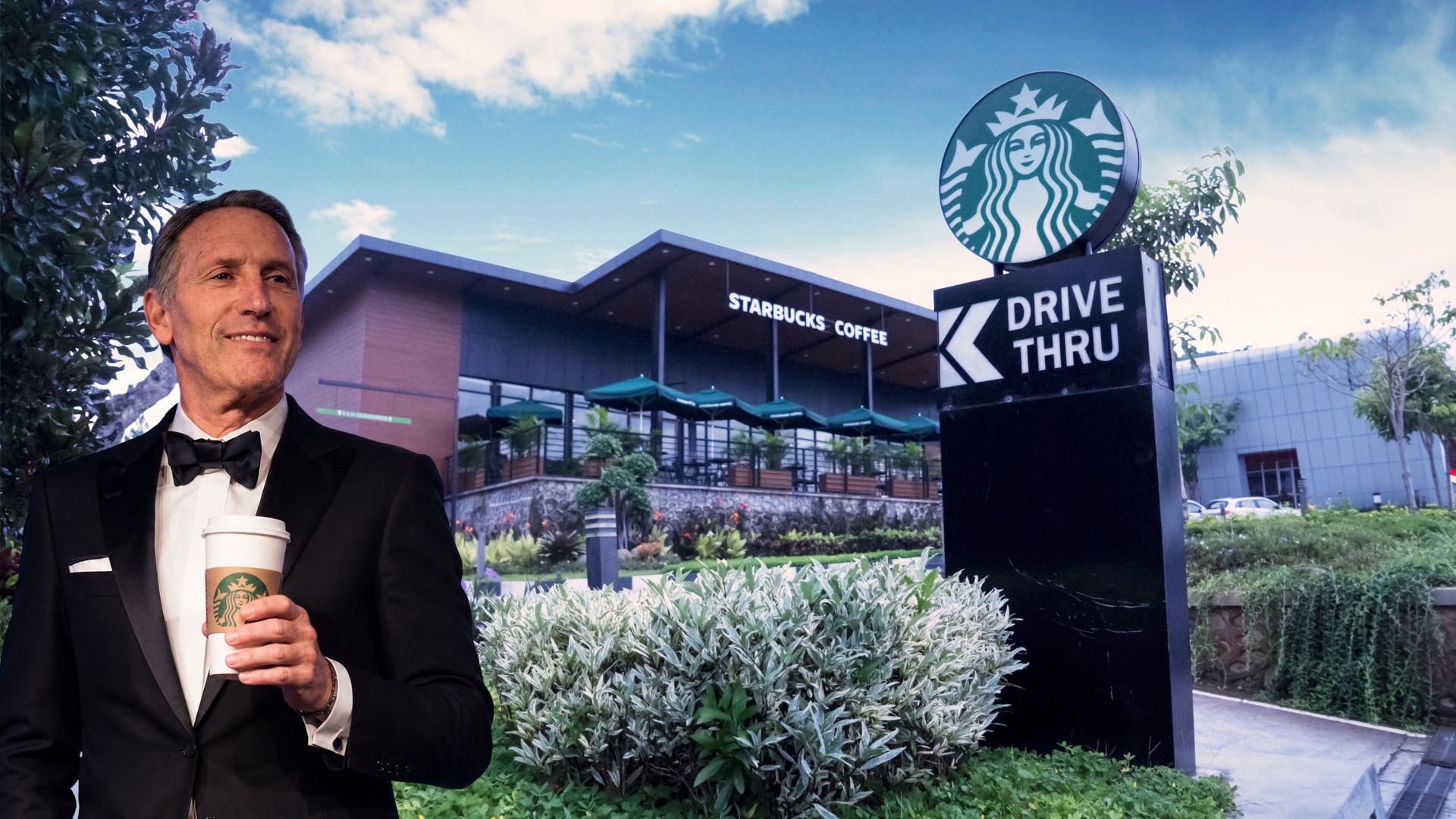

Howard Schultz grew up in a low-income family, joined Starbucks in 1982, and led the expansion of the chain to more than 38,000 stores worldwide.
The story of Howard Schultz is among the most well-known in global entrepreneurship, but it began far from the sophisticated coffee shops he would help popularize. The son of a truck driver who did temporary jobs and a receptionist, Schultz grew up in a government-subsidized housing project in New York. The family’s financial situation worsened drastically when his father suffered a work accident and was left without income, health insurance, or compensation.
Decades later, Schultz would take command of a small chain of 11 coffee shops in Seattle and lead an expansion that would transform Starbucks into the largest coffee shop chain in the world, present in more than 80 countries with over 38,000 stores.
A work accident completely changed the family’s life
Howard Schultz was born in 1953, in the Brooklyn neighborhood of New York. His father, Fred Schultz, worked in various jobs to support the family, including roles as a truck driver and deliveryman. When Howard was seven years old, Fred suffered a severe injury after a work accident.
-
He started with a moving van in New York, entered the real estate market in Miami, and acquired land in neighborhoods that later became targets for art, tourism, commerce, and construction.

-
Californian gives up on buying a house, purchases a roughly 1-hectare island for $31,000 in Finland, learns construction from scratch, and begins building a refuge without running water or electricity.

-
A 3-year-old deaf student received the first white belt in Jiu-Jitsu and understood the achievement because the teacher learned Libras to communicate with him, in a video that surpassed 7 million views and moved social media by showing inclusion happening on the mat.

-
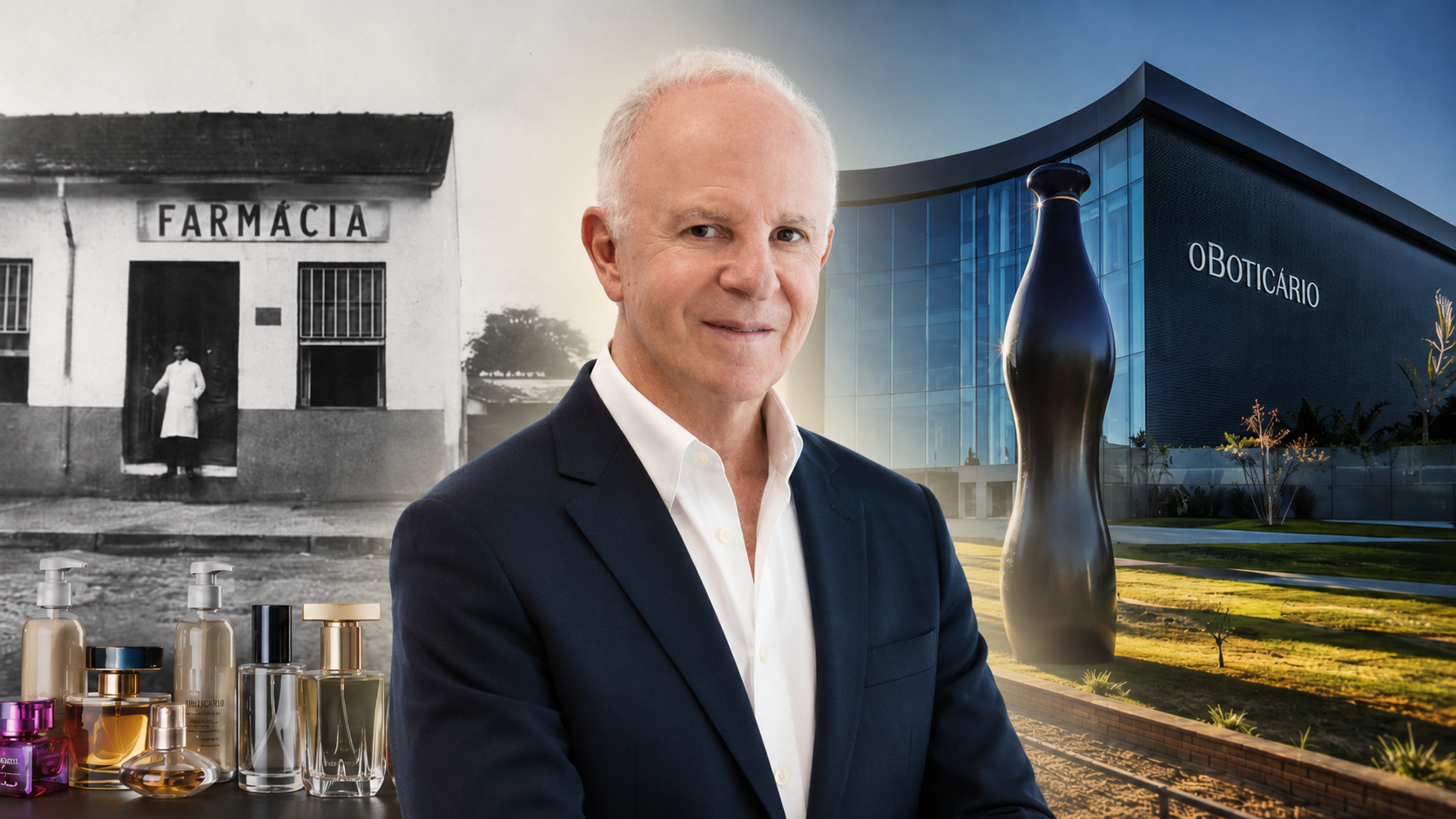
Miguel Krigsner opened a small compounding pharmacy in Curitiba in 1977, turned Brazilian fragrances into a national success, and created O Boticário, now one of the largest beauty networks in the world.





According to Schultz himself, his father was dismissed without any financial compensation. The family was left without health insurance, without insurance, and without a source of income just when his mother was pregnant with their third child. In interviews and public statements, Schultz claims that this episode deeply marked his childhood and influenced his entire view on companies and labor relations.
The first in the family to attend college
Despite financial difficulties, Schultz managed to enroll at Northern Michigan University. He was the first family member to attend a university. To help pay for his studies, he worked in various jobs while completing his degree in Communications, obtained in 1975. After college, he worked as a salesman until he was hired by Starbucks in 1982 as director of retail operations and marketing.
When he joined the company, Starbucks was very different from the chain known today. At the time, it had only 11 stores, all concentrated in the Seattle area, and primarily sold coffee beans and home brewing equipment. During a business trip to Italy, Schultz experienced the culture of Italian coffee shops and believed that this model could work in the United States. The founders of Starbucks did not agree with the idea.
Faced with the refusal, Schultz left the company in 1985 to open his own coffee shop, called Il Giornale. To raise the necessary capital, he presented his project to 242 investors. According to him, 217 refused to invest before he finally managed to gather the necessary resources.
Two years later he bought Starbucks itself
In 1987, the owners decided to sell Starbucks. Schultz acquired the company for approximately US$ 3.8 million, incorporating his coffee shop Il Giornale and definitively adopting the name Starbucks for the entire operation. From there, he began a rapid expansion based on the concept of transforming coffee shops into a “third place” between home and work, where people could stay, converse, and consume coffee.

Under Schultz’s leadership, Starbucks opened thousands of new units. According to current company data, the chain surpassed 38,000 stores distributed across more than 80 countries, becoming the largest coffee shop chain on the planet. The company went public in 1992 and, over the following decades, expanded its operations to markets such as China, Latin America, Europe, and the Middle East.
Childhood influenced the way he managed the company
Howard Schultz claims he never forgot what happened to his father. In various speeches, he explained that the lack of medical assistance and labor protection faced by his family motivated decisions made years later at Starbucks.
Among them were benefit programs for part-time employees, medical assistance, and policies aimed at employee well-being. According to Schultz, he wanted to build “a company where his father would be proud to work.”
From a difficult childhood to leading a global brand
Howard Schultz’s journey began in a low-income housing project and went through years of financial difficulties caused by his father’s work accident.
Almost four decades after joining Starbucks, he became the main person responsible for transforming a small regional chain into one of the most well-known brands in the world, present in dozens of countries and responsible for changing the coffee consumption culture in various markets.