Portuguese
  Spanish


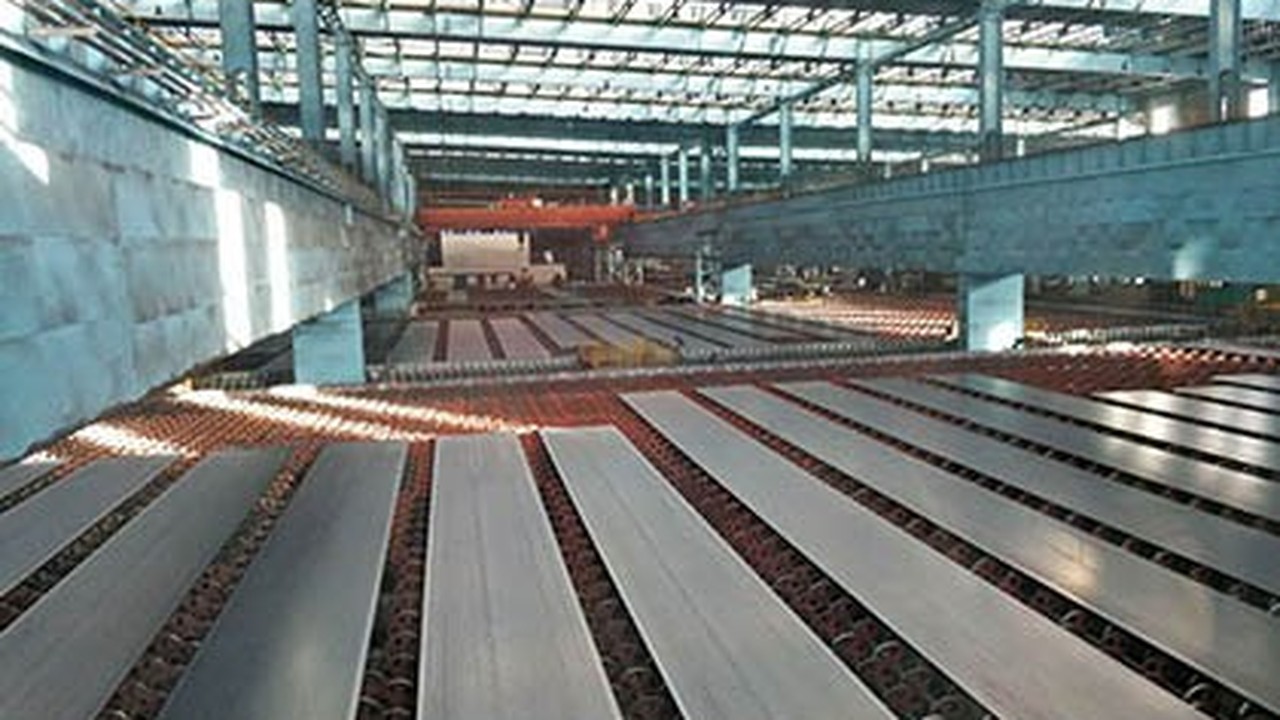

The Rio Grande Shipyard received on Thursday, July 9, about 11 thousand tons of steel plates from Indonesia for the construction of four Handymax ships ordered by Transpetro as part of the Open Sea Program, a silent milestone in the revival of the largest naval hub in the South of the country, which had been inactive for almost a decade.
The material landed at the port of Rio Grande and will begin to be processed immediately. The plates were purchased in Indonesia and represent the main raw material for the first four tankers of the batch of 13 vessels that Ecovix, the shipyard’s controller, needs to deliver to Transpetro. A contract signed in 2024 with a total value of US$ 427 million, which held the hope of an industrial hub that was almost stagnant.
Transpetro’s Handymax ships will have between 15 thousand and 18 thousand deadweight tons each, a range that suits Brazilian cabotage very well, that transport of petroleum derivatives between ports within the country, which today still relies too much on foreign flags. I confess that this revival, if it’s going to work for real, needed to start exactly like this: steel plates arriving, workforce being hired, and schedule moving forward.
The Open Sea program and what it aims to do
The Open Sea Program was announced by Petrobras in 2024 as the plan for renewal and expansion of the system’s own fleet, after years in which Transpetro operated with aging ships and saw a large part of the transport of derivatives migrate to foreign shipowners. The idea is to order dozens of vessels from Brazilian shipyards, generating jobs and reviving the local content that naval-offshore auctions and contracts require.
-
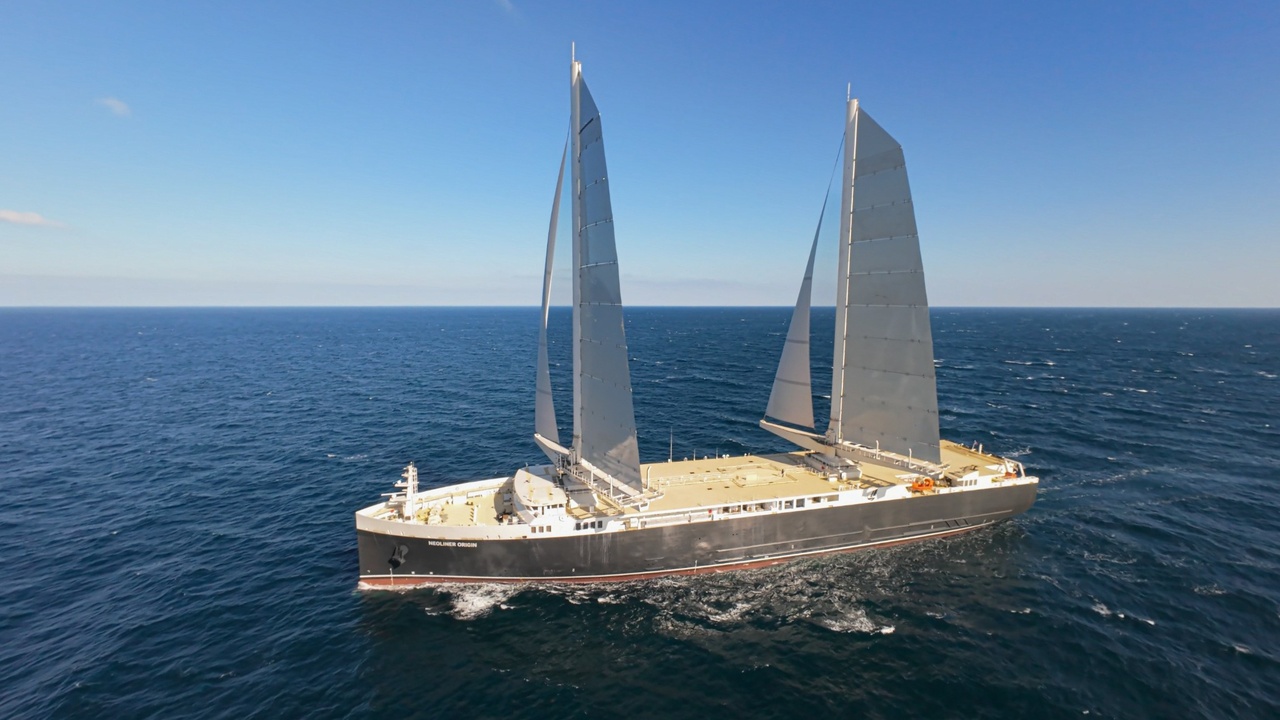
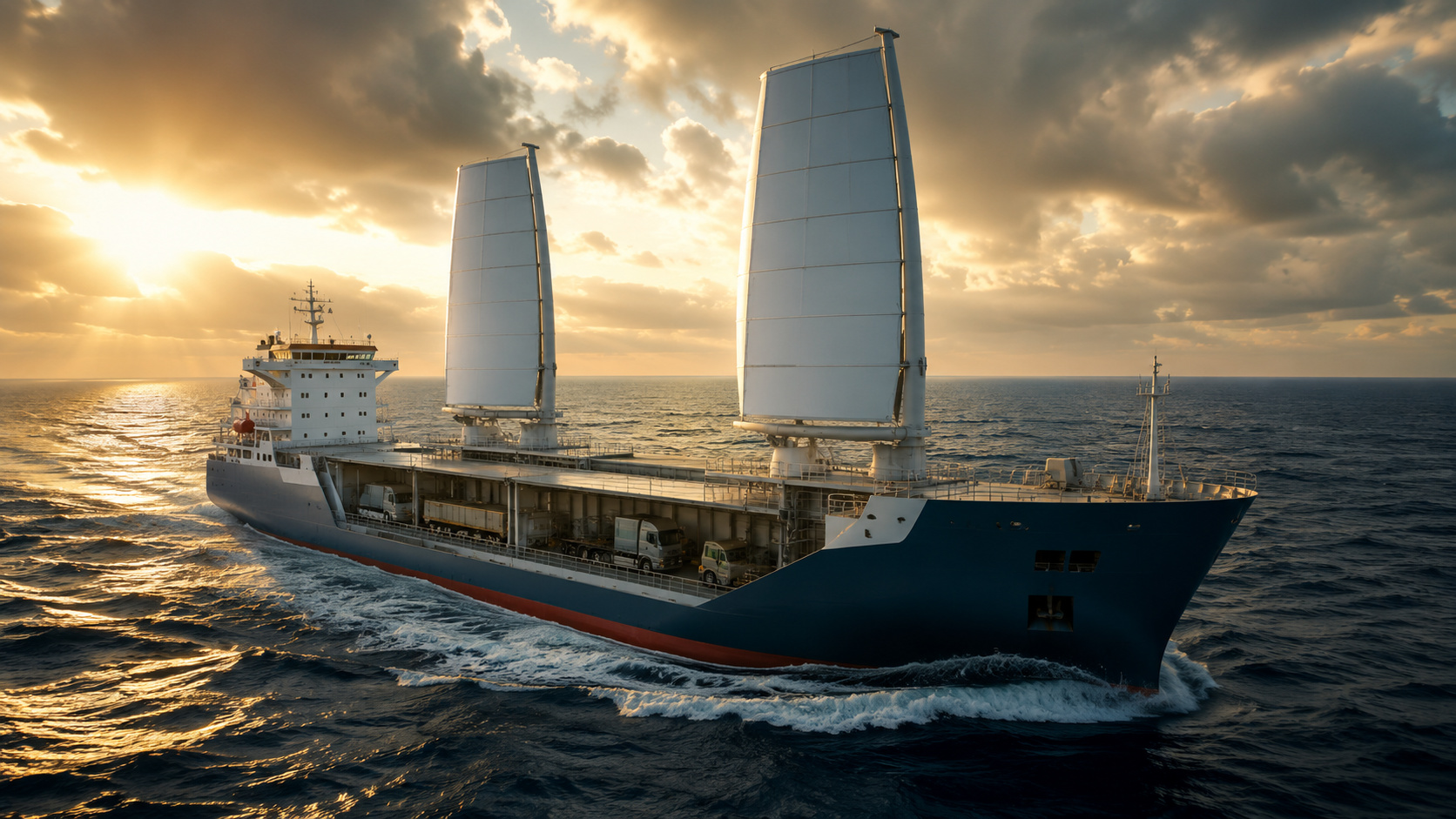
With two giant sails instead of relying solely on the engine, a modern cargo ship crosses the Atlantic carrying cars, forklifts, and goods to test less diesel in maritime transport.

-
The Port of Itaqui closes the best first semester in history with over 17 million tons and takes off as the locomotive of the Northern Arc.
-
With two giant sails instead of relying solely on the engine, a modern cargo ship crosses the Atlantic carrying cars, forklifts, and goods to test using less diesel in maritime transport.

-
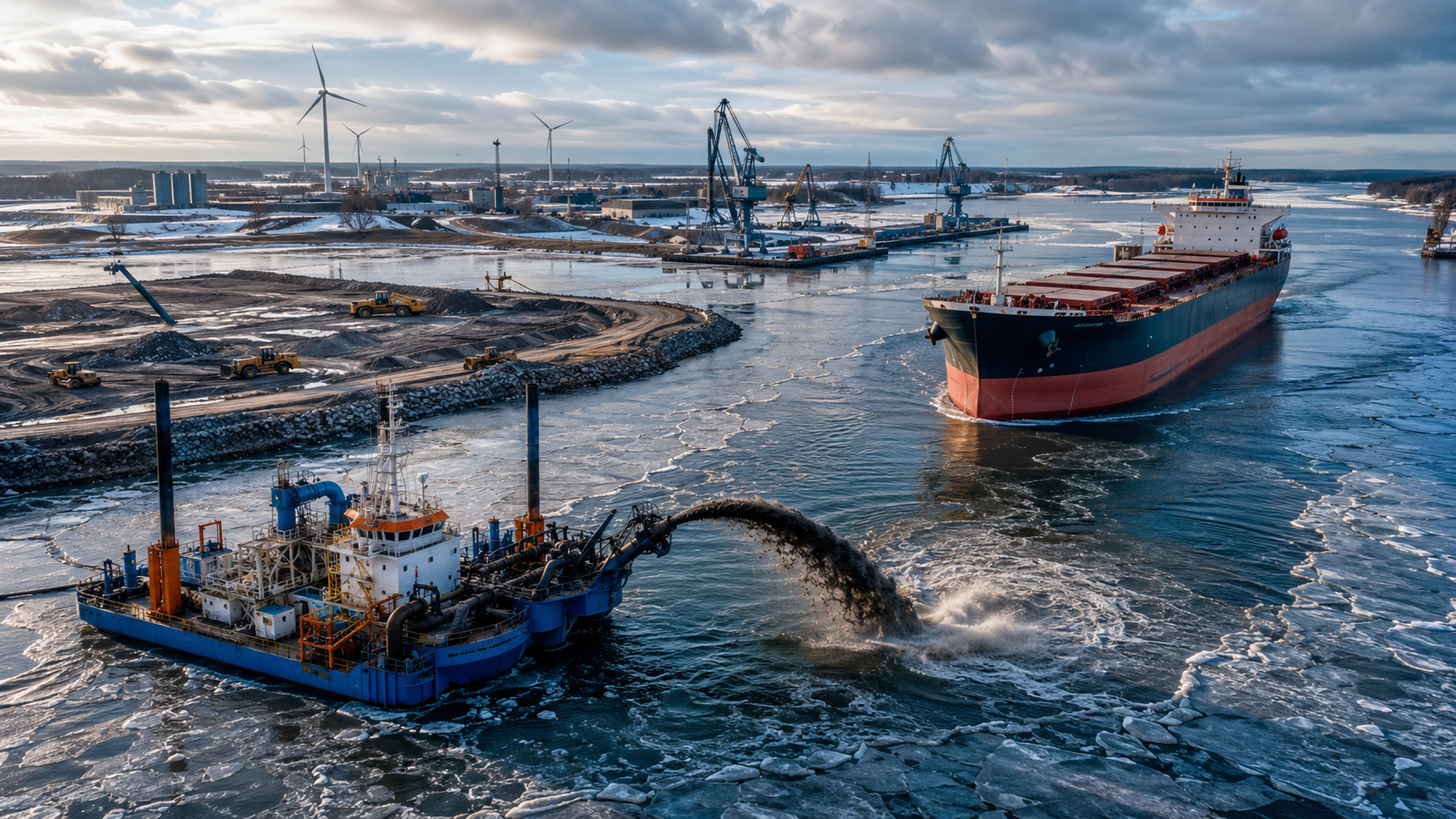
Swedish Port to Dredge 14 Million Cubic Meters of Seabed to Accommodate Larger Cargo Ships and Expand Operations in Ice-Prone Region

Within this logic, the Rio Grande Shipyard, built by the Lula government during the oil boom, emptied after the Lava Jato operation, and now resumed, has regained a clear function. The four Handymax ships from Ecovix are just the first slice of the cake. The shipyard’s full portfolio reaches 13 vessels, and the schedule foresees that the next steel plates will arrive in batches throughout the second semester.
Employment is the name of the game
Today, Rio Grande has about 500 professionals mobilized in hull and structure activities. The number is not huge, but it’s the first step, the company’s own projection is to reach close to 1,600 workers at the peak of operation, when the three assembly lines are running in parallel. For a city that experienced the euphoria of the naval hub in the 2010s and suffered abandonment afterward, it’s a relief full of meaning.
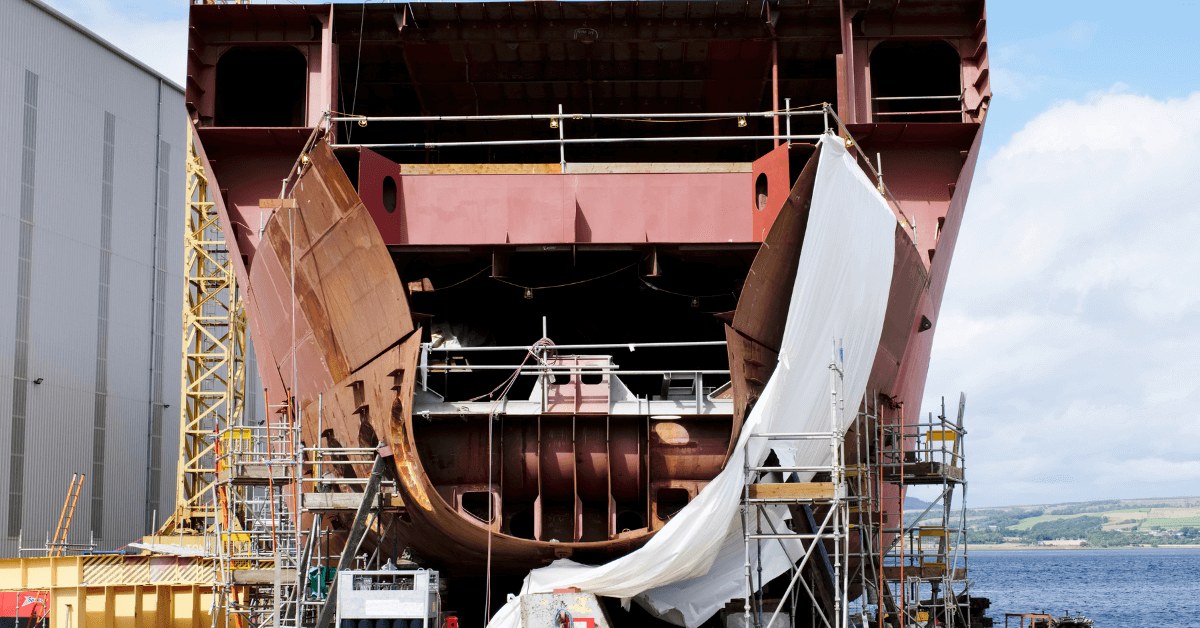
More than half of the equipment needed for the Handymax ships has already been purchased and will arrive in Rio Grande according to Transpetro’s schedule. Engine, control systems, tanks, piping: the equipment package occupies a chain of national and international suppliers, and the program’s logic is that most of this content has Brazilian origin whenever competitiveness allows.
Why steel from Indonesia and not from Brazil
The choice of the origin of the plates is a sensitive point. The Brazilian steel industry has the capacity to manufacture thick naval plates, but the price, the deadline, and the logistics of shipping 11 thousand tons do not always add up. Ecovix negotiated with Asian suppliers and brought the material from Indonesia, which offered the best package of price, certified quality, and delivery schedule at the port of Rio Grande. It’s this type of composition that shipyard mathematics requires when the contract was signed in reais and exchange rate fluctuations can eat into margins any week.
It’s the type of decision that always generates discomfort when it comes to local content. On the other hand, industry executives remind that the engines, the workforce, the design services, and a good part of the equipment remain in Brazil, which meets the program’s requirements. The discussion about how much ship steel should come from Brazilian steel mills, however, remains alive behind the scenes of the industry, and the expectation is that the next batches of plates contracted by Ecovix and other shipyards in the Open Sea portfolio can start incorporating more national supply as the schedule settles.
What Transpetro needs from the new fleet
While steel cutting begins in Rio Grande, Transpetro continues to operate with an aging fleet that is already showing signs of exhaustion on some routes. The company is a wholly-owned subsidiary of Petrobras and is responsible for the largest logistics operation of derivatives in Brazil, cabotage between refineries, offshore export terminals, and distribution through the country’s major ports. Each Handymax that enters operation frees up old units for decommissioning and improves the efficiency of the system as a whole.
The four ships contracted with Ecovix are just the first slice of a larger plan that the state company has been building. The Open Sea Program foresees, over the next few years, about thirty new vessels for the Transpetro fleet, including Handymax, MR2, VLGC, and specialized ships. It is the largest naval order in the name of the state company in more than a decade and brings back to the Brazilian production chain a network of suppliers that was dwindling since the post-Lava Jato downturn.
What comes next
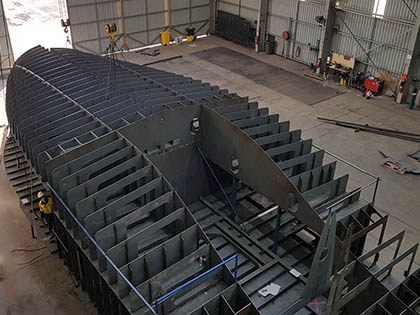
Starting this week, the shipyard’s routine changes: the plates go through automated cutting, become structural subassemblies and are assembled in the hull berths. When a Handymax of this range is built, the standard schedule talks about something around 24 to 36 months between steel cutting and delivery, which places the first Transpetro vessel in the window of 2028 or 2029, depending on how much the hub can accelerate.
I imagine the day these vessels are delivered. A new Handymax, leaving Rio Grande with a Brazilian flag, docking in Suape or Ilhéus to load diesel produced at a national refinery. It’s the kind of image that Brazilian cabotage lost over the past few years and that, if the industrial revival doesn’t stall, can become commonplace again. We will still see a lot of talk about delays and schedule changes, it’s natural to happen, but the steel cutting has already begun.
Is it worth supporting the revival of the Rio Grande Shipyard with Transpetro contracts or should Brazil continue chartering foreign ships?