






 Portuguese
  Spanish


The 500-year-old olive tree was moved within a private property in the Valencian Community, Spain, after a storm knocked down an ancient pine tree and prompted the redesign of a mountain chalet garden. The operation involved a crane, platform truck, and technical care to move a tree estimated at over 6 tons.
The information was published by the Times of India on July 8, 2026. According to the publication, the operation was carried out by the Spanish company Jardines con Vida, specializing in landscaping and transplanting mature trees.
Storm changed the garden’s destiny
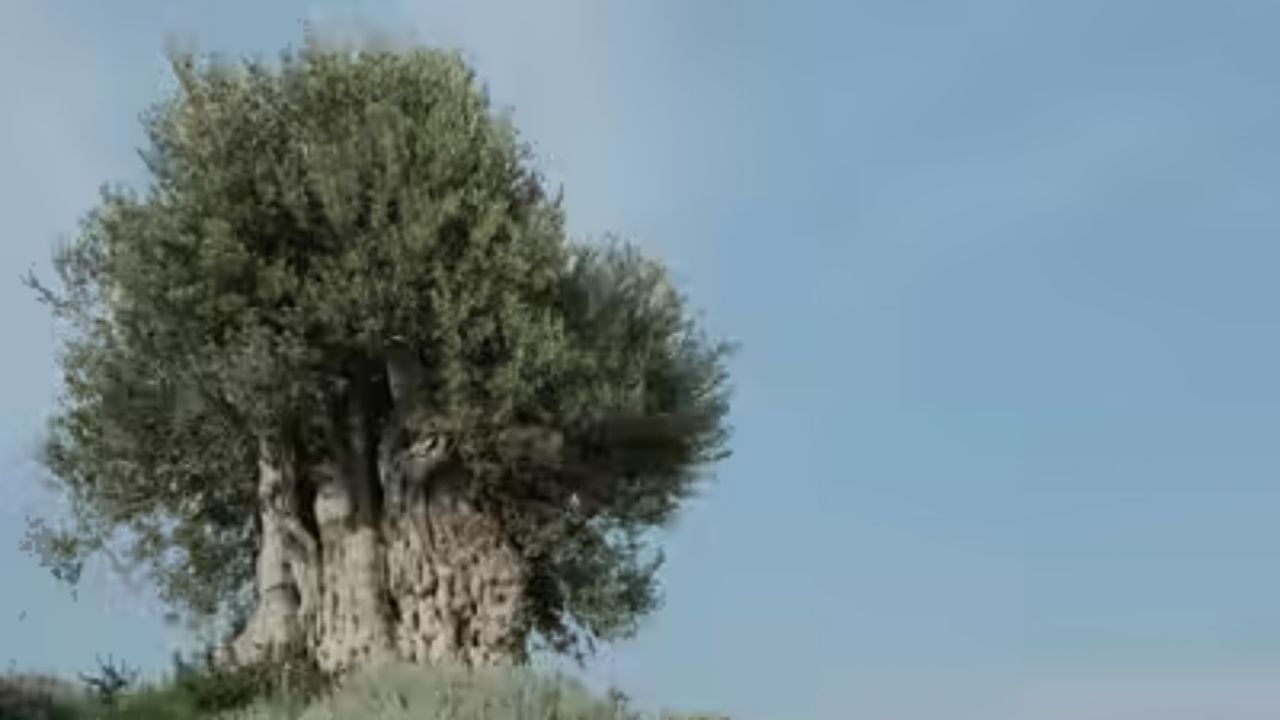
The project began after the owner lost an ancient pine tree during a storm. Instead of simply replacing the tree with a common ornamental sapling, he decided to transform the garden around a living piece with visual, symbolic, and historical value.
-
Mysterious object seen in images attributed to NASA on Columbia reappears in g1 video, shows structure near the edge of the Earth in 1996 and reignites doubts about space records without clear identification in space.

-
An engineer who designed tools for Ford and Mercedes saw a pink box of sweets and transformed cardboard into pyramids to replace bubble wrap and Styrofoam in deliveries.

-
Daughter left San Francisco to take over from her father a nearly 90-year-old family farm in California, saw 300 tons of grapes left on the ground without a buyer, and entered a struggle to prevent the wine crisis from burying the family’s history.

-
A woman from the Potiguar backlands revived cotton that had almost disappeared from the region since the 1980s, planted it without pesticides in the semi-arid area, and saw the production turn into 6,400 T-shirts at the Salvador Carnival, bringing a forgotten rural culture to a national showcase.


The choice fell on a 500-year-old olive tree, a tree associated with resilience, longevity, and continuity in Mediterranean culture. The goal was to create a “star tree” for the chalet, capable of marking the landscape not only by size but also by age and monumental presence.
Tree weighed more than 6 tons
According to the publication, the centennial olive tree was estimated at over 6,000 kilograms. This weight made any simple movement impossible and required a planned transplant operation with heavy machinery and a specialized team.
The tree was moved just a few dozen meters within the same property, but the short distance did not reduce the complexity. When a mature tree of this size is removed from the ground, the risk is not only in the transport but in its survival after replanting.
Crane lifted the olive tree with care
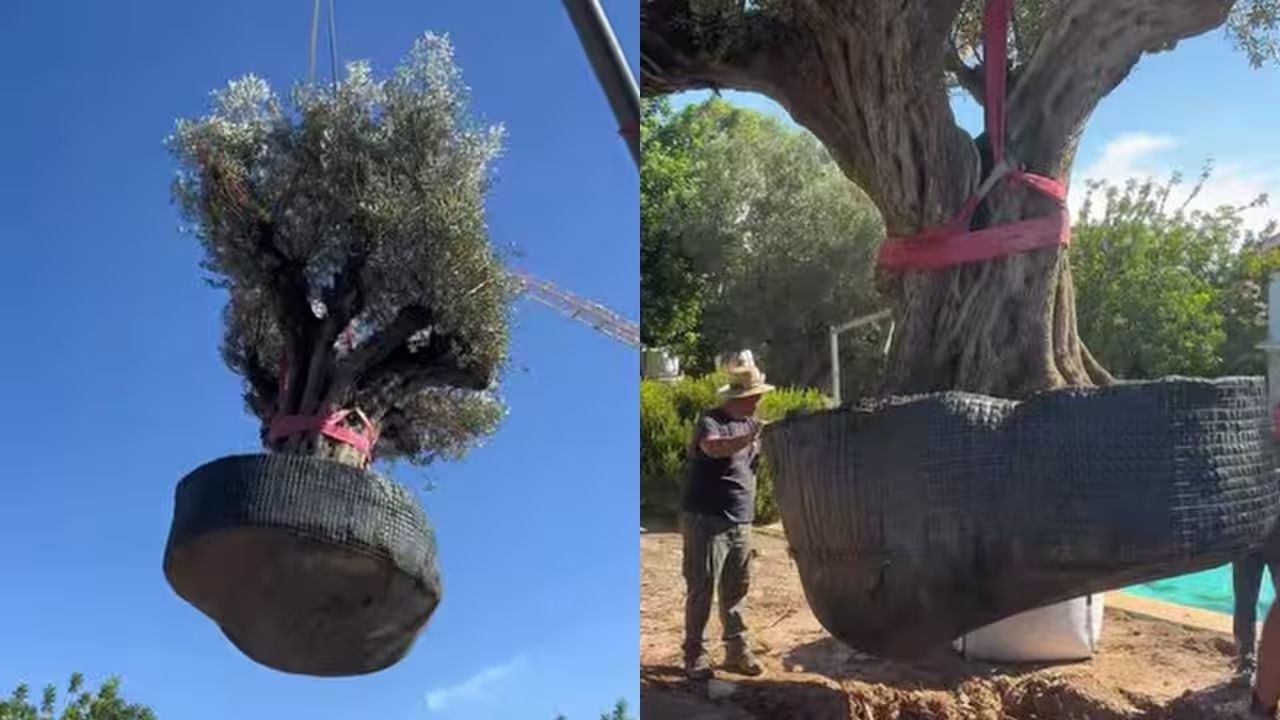
The operation used a large crane to lift the tree and a platform truck to move it to the new spot in the garden. The process required control of weight, trunk stability, and protection of the root structure.
The transplant of a 500-year-old olive tree does not work like planting a young sapling. In mature trees, any significant damage to the root ball can compromise water absorption, soil adaptation, and recovery after the move.
Root ball was protected during transport
According to the report cited by the Times of India, the root ball was carefully protected throughout the process. This stage is crucial because it concentrates a fundamental part of the tree’s ability to survive in the new location.
The preservation of the root system helps reduce transplant stress. Even when the tree appears strong on the outside, adaptation depends on the balance between roots, soil, irrigation, and subsequent management, especially in such old specimens.
Chalet gained a historic centerpiece
In the new location, the olive tree became the focal point of the mountain chalet’s garden. The tree stopped being just a plant element and started to visually organize the space, creating a scene of monumental landscaping.
This type of choice has aesthetic strength because it combines architecture, nature, and memory. A 500-year-old olive tree carries time marks that no newly purchased plant can replicate. The garden gains immediate impact because the history arrives ready with the tree.
Olive trees have strong symbolism in the Mediterranean
In the Mediterranean region, olive trees are often associated with resilience, permanence, and connection to the land. Mature specimens can survive for several centuries when they find favorable conditions, which reinforces their cultural and landscape value.
Therefore, the owner’s decision was not just decorative. By choosing an ancient tree, he incorporated a symbol of continuity into the garden. The olive tree serves as a bridge between past and present, especially in a landscape marked by mountains and agricultural tradition.
Transplanting an adult tree requires technique
Moving a large tree is a more complex operation than planting a young species. The weight, the volume of the canopy, the depth of the roots, the type of soil, and the distance to the new location directly affect the success of the transplant.
In the case of the 500-year-old olive tree, the planning needed to minimize the tree’s stress. The movement required synchronization between excavation, hoisting, transport, and replanting. Each poorly executed step could turn a historical piece into an irreversible loss.
Modern landscaping values ancient trees
Landscape architects have treated mature trees as long-term assets, not just decoration. They offer shade, reduce heat, contribute to biodiversity, and help improve the environmental quality of a project.
This vision changes the logic of the private garden. Instead of starting everything from scratch with small seedlings, some projects preserve or relocate historical trees to accelerate the landscape effect and maintain natural heritage. The adult tree delivers benefits that a seedling may take decades to achieve.
Preservation entered the redesign project
The replanting shows a trend of preserving historical trees during landscape renovations and redesigns. Instead of eliminating an old specimen or replacing it with new vegetation, the project tried to integrate the tree into the new garden design.
This type of decision requires more cost, time, and planning, but can generate more significant results. The 500-year-old olive tree became an element of identity for the chalet, making the garden renovation less about immediate appearance and more about permanence.
Valencian Community protects ancient trees
The publication highlights that, in the Valencian Community, olive trees over 350 years old receive legal protection under a regulation aimed at preserving historical trees and the regional natural heritage. Therefore, such movements require additional care.
This protection reinforces that ancient trees are not seen merely as private property, but also as part of a natural heritage. When a specimen spans centuries, its removal or transplanting ceases to be a simple gardening decision.
Ornamental value can reach thousands of euros
Although the cost of the operation has not been disclosed, mature olive trees are valued in the ornamental market. Depending on age, size, and rarity, prices can start from several thousand euros, according to the publication.
This economic value helps explain why ancient trees have started to compete for space in high-end residential projects. But the case also shows an important limit: the rarer and older the tree, the greater the responsibility in handling it needs to be.
Tree carries memory beyond decoration
The story draws attention because the olive tree survived centuries of natural, social, and cultural changes before being moved by crane within a private property. The image of an ancient tree suspended by machines summarizes the encounter between tradition and engineering.
The 500-year-old olive tree was not just transplanted; it changed the garden’s meaning after the loss of the pine tree. Do you think moving historical trees to private projects is a valid form of preservation or does this type of operation turn natural heritage into landscape luxury? Share your opinion.


