Portuguese
  Spanish


With water from the São Francisco River, technology, and two annual harvests, Petrolina and Juazeiro transformed the Sertão into a world reference, generating up to 250,000 jobs and facing logistical challenges to expand fruit exports
The Petrolina fruit-growing hub, formed with Juazeiro and other municipalities of the São Francisco Valley, transformed an area of the Sertão into a national reference in irrigated production. In 2024, the region sold fruits to more than 50 countries, grossed nearly US$ 1 billion, and concentrated up to 99% of Brazilian grape exports.
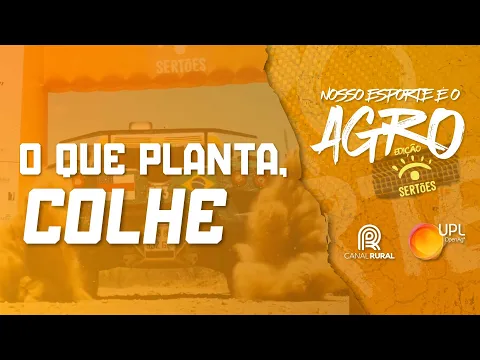

Petrolina fruit-growing hub brings together more than 200 companies
Located on the banks of the São Francisco River, the Petrolina-Juazeiro hub covers municipalities in Pernambuco and Bahia.
According to Valexport, the producers’ association, more than 200 companies linked to export operate in the region.
-
Brothers left the countryside as children, studied in the city, and returned years later with management, technology, and sustainability to help parents and grandparents transform a traditional farm into a diversified business with cattle, soybeans, vineyards, wines, and sparkling wines.

-
Raised in the countryside, she worked as a domestic worker, saved R$ 2,500 from maternity leave, and returned to the family farm in Paraíba; Flávia Santos now leads the production of 300 tons of food per year.

-
Amazon woman turned waste that would go to the landfill into compost, restored a devastated site in Pará, and created an organic production that has already recycled about 2.5 million kg of waste.

-
After 25 years away from the hinterlands of Ceará, a farmer returned to the land he had abandoned, tripled the corn harvest in the semi-arid region, and saw 250 producers knocking on his door to discover the method that revived the crop.


Mango and table grapes are the main products, according to the Petrolina City Hall. The annual grape production exceeds 236,000 tons, supplying both the Brazilian market and international buyers.
Data from ComexStat, a system of the Ministry of Development, Industry, Commerce and Services, shows that the São Francisco Valley accounted for approximately 98% to 99% of Brazilian grape exports in 2024.
Water, sun, and research changed production in the Sertão
The growth of fruit-growing was supported by the combination of irrigation, dry climate, and technological development.
A network of 156 kilometers of canals built by Codevasf brings water from the São Francisco River to the producing areas.
The low amount of rainfall and the constant presence of the sun help reduce diseases in the crops. These conditions also allow for two or more annual harvests, increasing the production obtained in the same area.
In grape production, the Valley manages to have two harvests per year. In Rio Grande do Sul, by comparison, the harvest occurs once annually, according to the data presented in the consulted material.
Embrapa Semiárido, located in Petrolina, has been developing varieties of mango and grape adapted to the dry climate since 1975.
The research contributes to maintaining productivity and meeting the demands of purchasing markets.
The producers also follow the Integrated Fruit Production and use certifications such as GlobalGAP, required by European supermarket chains.
Fruits reach Europe, United States, and Asia
Europe and the United States are among the main destinations for the fruits produced in the Petrolina fruit-growing hub.
China, Japan, South Korea, and Middle Eastern countries have also joined the list of served markets.
In 2024, the Economic Development Secretariat of Pernambuco confirmed the opening of the Asian market for Pernambucan grapes.
The most intense export period occurs between August and September, when regional production reaches its peak.
Sector estimates indicate that between 200,000 and 250,000 people depend directly or indirectly on fruit growing.
The chain involves activities of harvesting, packaging, transportation, research, laboratories, and offices specialized in export.
Apex-Brasil maintains a Center of Excellence in Fruit Export in Petrolina, in partnership with Facape. In the last three years, the Export Qualification Program, PEIEX, trained 275 companies.
Distance from ports still makes exports expensive
Logistics remains one of the main bottlenecks. Few fruits are shipped through the Port of Suape. Exporters mainly use Pecém, Natal, and Salvador, facing routes that can reach 800 kilometers between farms and shipment.
This distance increases freight costs and reduces producers’ margins. The Transnordestina Railway, still under construction, appears in the sector’s plans as an alternative to halve logistical costs.
The opening of the Chinese market for grapes and the development of new varieties by Embrapa Semiárido are also part of the strategies to expand sales and surpass US$ 1 billion in exports in the coming years.
This article was prepared based on information from Valexport, Petrolina City Hall, ComexStat, Codevasf, Embrapa Semiárido, Pernambuco’s Economic Development Secretariat, Apex-Brasil, and Facape, with data, numbers, and statements preserved as per the consulted material.