Portuguese
  Spanish


Vayrene Milhomem da Silva traded commerce for the land and created, in the Cerrado of Barrolândia (TO), Font’Fruit Natural Pulps. With native fruits that were previously wasted, she built a family agroindustry registered with the Ministry of Agriculture, which supplies schools and became a highlight of the FAO in the rural women’s campaign.
There are stories that are born, literally, from the ground. In the heart of the Tocantins Cerrado, farmer Vayrene Milhomem da Silva took native fruits that were rotting in the fields and turned them into a pulp agroindustry. According to the Food and Agriculture Organization of the United Nations (FAO), her journey became a symbol of determination in the interior of Tocantins.
Before becoming a producer, Vayrene had a local market. But, upon inheriting a rural property from her parents, she traded the counter for the land and never left. Today, at the helm of Font’Fruit Natural Pulps, in the municipality of Barrolândia, she runs with her family a factory that harnesses the richness of the biome and reaches school meals.
From the local market to the heart of the Cerrado
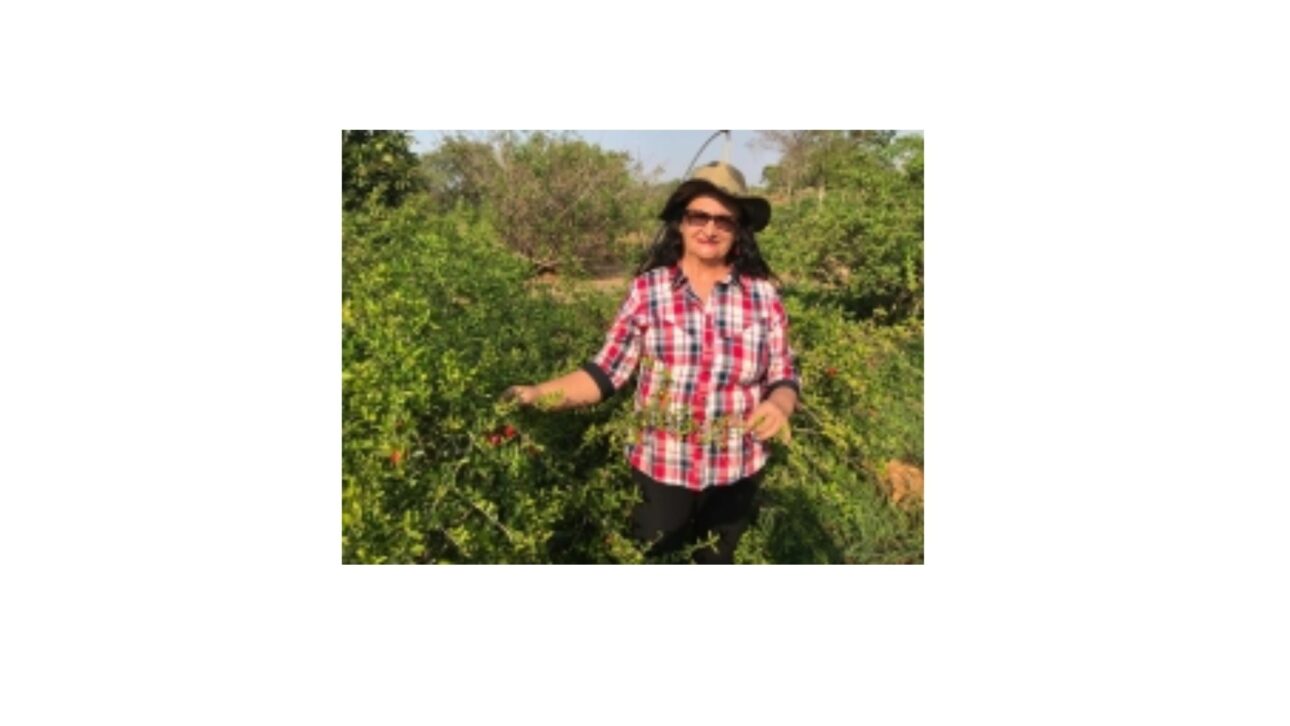
The turning point happened about twenty years ago, when Vayrene inherited from her parents, also farmers, an area of 135.5 hectares now known as Fazenda São Jorge, in Barrolândia (TO).
-
City in the middle of the northeastern Sertão becomes a fruit giant: leads a hub that exports to more than 50 countries, produces 236,000 tons of grapes per year, and generates nearly US$ 1 billion.

-
Tired of seeing bananas cause losses, she left her life in the capital, went to the countryside in the mountains of Espírito Santo, and transformed the surplus that was rotting into jam and an unusual smoked “banana barbecue,” turning it into a rural industry awarded by Sebrae.

-
She helped found one of the largest soybean companies in the world and today is among the biggest fortunes in the country: Lucia Maggi controls Amaggi, an agribusiness empire, and lives far from the luxury that her fortune could afford.
-
It seems impossible, but farmers in Tunisia plant potatoes on sand surrounded by saltwater, use rain and tides for irrigation, and harvest up to 30 tons per hectare.


A shopkeeper until then, she decided to put down roots in the countryside and never looked back, betting precisely on the native fruits that grow scattered throughout the Cerrado.
What started as a life choice turned into a family business.
The entire operation of Font’Fruit is run by the Milhomem family, from harvesting and processing to selling at open markets, home deliveries, and in so-called institutional markets.
The whole family is involved in transforming fruit from the hinterland into income.
Fruits that rotted on the ground turned into pulp
The idea of processing native fruits came from a simple realization: the region is rich in fruits with exotic and highly nutritious flavors that used to be lost on the farm ground.
Buriti, murici, pequi, cagaita, araçá-boi, and tamarind are some of the Cerrado fruits that, besides being tasty, have nutraceutical properties highly valued by consumers.
From the leftover raw material, variety was born. Today, the agroindustry processes a long list of pulps guava, mangaba, mango, acerola, cashew, buriti, araçá-boi, tamarind, murici, pequi, cagaita, cupuaçu, pineapple, soursop, and passion fruit, combining the cultivation of fruits like banana and acerola with the sustainable extraction of typical Cerrado species, such as pequi, cajuí, and cagaita.
One calf at a time: how the factory was born
The dream, however, stumbled upon a lack of money. Even surrounded by natural wealth, Vayrene did not have the capital to invest.
The solution was to go little by little: first, she bought a pulping machine and started processing the fruits from her own land; then, every two months, she bought a calf, so that the future sale of the animals would gradually finance the construction of the agroindustry.
It was with the money from the first calves sold that the family built the industry headquarters and gradually equipped and improved the structure over time.
The highlight came in 2020 when it was reported by the portal Food and Agriculture Organization of the United Nations (FAO), in mid-May, when Font’Fruit finally obtained registration from the Ministry of Agriculture, Livestock, and Supply (Mapa), the stamp needed to sell on a larger scale and with safety.
From the farm to school meals
The registration opened the doors to institutional markets, and that’s where the Cerrado production meets the school.
Font’Fruit is supported by the Food Acquisition Program (PAA) and the National School Feeding Program (PNAE), policies that purchase from family farming to supply, among other destinations, the meals of public school students.
None of this would have come to fruition without partnership. The Municipal Agriculture Department of Barrolândia and the Agriculture, Livestock, and Aquaculture Department of Tocantins, through the Agroindustry Promotion Management, were decisive for the adaptation of the sanitary registration and the industrial plant, essential steps to fully regularize the company.
Rural Women of the Cerrado as Protagonists
Vayrene’s story is not an isolated case. Many rural women in Barrolândia also live from the sustainable extraction of Cerrado fruits, and it is them that the producer thinks of when she talks about the future.
“I wish to see the rural women and families of my region as winners of the challenges of agricultural and extractive production”, she summarizes.
As the treasurer of the Association of Rural and Gastronomic Producers of Paraíso-TO (AFEIPAR), which gathers 45 members, she tries to be an example of determination.
This trajectory caught the attention of the United Nations. Vayrene’s case is part of the action “15 Days of Transformative Initiatives,” part of the campaign #RuralWomen, women with rights, promoted by FAO.
The initiative brings together stories of female farmers who are guardians of the land, leaders, and entrepreneurs, and concludes on October 15, when the International Day of Rural Women is celebrated.
Pandemic, Delivery, and the Next Steps
Like almost every small business, Font’Fruit also felt the impact of the Covid-19 pandemic. With commerce halted, it became more difficult to distribute the pulps, even with the production of Cerrado fruits remaining strong.
To prevent the family’s income from collapsing, Ruraltins (Rural Development Institute of the State of Tocantins) set up a delivery network to promote and sell the products, helping to sustain the Milhomem family and other families in the region.
After the worst was over, Vayrene’s focus moves forward. The goal now is to expand the currently cultivated area of 1.5 alqueires and modernize production.
“We will introduce the irrigation system and production techniques that enable greater productivity”, she plans. She also bets on more public policies that support both her business and those of other agricultural and extractive families living off the Cerrado.
And you, did you know about this hidden strength in the Cerrado?
From former merchant to a reference in family agroindustry recognized by the UN, Vayrene proved that the Cerrado fruits that once rotted on the ground can turn into income, school meals, and pride for an entire region.
Have you ever tried buriti pulp, pequi, or cagaita? Do you know stories of rural women who, like her, transformed their own reality in the countryside? Share with us in the comments and help spread this inspiration.