Portuguese
  Spanish


Messages revealed by Intercept Brasil show negotiations involving Daniel Vorcaro, Jim Caviezel, and the production of the film Dark Horse about Jair Bolsonaro
An exchange of messages between Flávio Bolsonaro and banker Daniel Vorcaro brought new details about the behind-the-scenes of the production of Dark Horse, a film inspired by the political trajectory of Jair Bolsonaro.
The information was released by Intercept Brasil on Wednesday, May 13, 2026. TV Globo confirmed with investigators and people connected to the case the existence of the audio mentioned in the report.
According to the publication, Vorcaro, arrested by the Federal Police, helped finance the film. Flávio Bolsonaro allegedly acted directly in the charges related to the payments of the cinematic production.
-
European Parliament Approves Digital Euro, Aiming to Challenge Visa and Mastercard’s Dominance and Transform Payments Across Europe by 2029

-
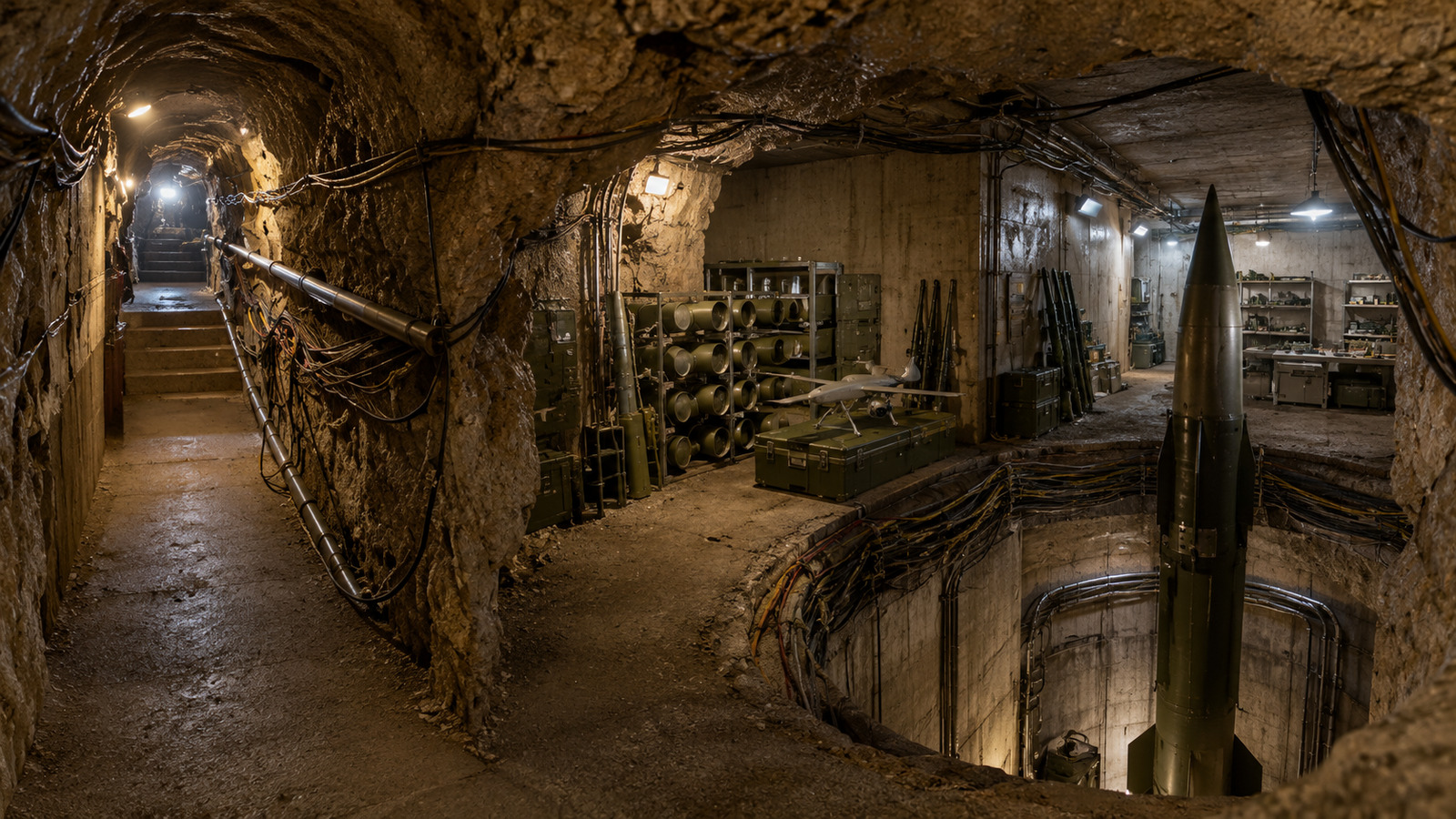
Israel finds Hezbollah militarized tunnel over 200 meters long under village, with 4 missile launch shafts, 12 chambers, anti-tank missiles, drones, and weapons depots at a depth of 25 meters.

-
Ukraine launches largest drone attack on Moscow since 2022, Russia claims to have intercepted nearly 200 aircraft near the capital, Kapotnya refinery targeted again, and offensive reignites alert about war reaching the Russian energy heart just a few kilometers from the Kremlin.

-
Truck drivers, freight, and fines from 2022 take center stage in politics: Chamber approves MP with amnesty, mandatory tracking by CIOT, million-dollar penalties, and new minimum wage for those who spend more than 24 hours on the road.



The audio sent in September of last year mentions two well-known names in international cinema: Jim Caviezel and Cyrus Nowrasteh.
“Imagine us defaulting on a Jim Caviezel, a Cyrus,” stated Flávio in the recording revealed by the report.
The statement also describes the two professionals as “very renowned” names in American and world cinema. The senator also stated that financial problems could compromise the positive impacts expected for the film.
Jim Caviezel and Cyrus Nowrasteh appear at the center of the production of Dark Horse
Jim Caviezel, a 57-year-old American actor, gained international notoriety after portraying Jesus Christ in The Passion of the Christ, released in 2004.
Productions aimed at the conservative audience have also become part of his career in recent years. Among them is Sound of Freedom, released in 2023.
The actor was chosen to portray Jair Bolsonaro in Dark Horse, a production mentioned in the messages released by Intercept Brasil.
Cyrus Nowrasteh, the director of the film, is 69 years old and has worked on films such as The Stoning of Soraya M. and The Day Reagan Was Shot.
A previous connection with Brazil also appears in the filmmaker’s career. In 1995, he wrote the script for Jenipapo alongside director Monique Gardenberg.
Film about Jair Bolsonaro is described as an international political thriller
The official synopsis released by the site Deadline presents Dark Horse as a production inspired by real events related to the political trajectory of Jair Bolsonaro.
The text describes Bolsonaro as a controversial character who transitions from being an Army captain to running for the Presidency of the Republic in a polarized Brazil.
The attack suffered during the 2018 presidential campaign also appears as a central point of the narrative. The description states that the episode turns the political dispute into a struggle for survival, truth, and power.
Cyrus Nowrasteh told Deadline that the project was not conceived as a traditional biography. The director defined the film as a political thriller about power, media, and faith.

Report indicates payment of R$ 61 million for the production of the film
Data released by Intercept Brasil indicates that Daniel Vorcaro allegedly paid around R$ 61 million for the production of Dark Horse between February and May 2025.
The report states that the amounts were sent to a fund in the United States linked to an ally of Eduardo Bolsonaro.
Flávio Bolsonaro was questioned by journalists upon leaving the Supreme Federal Court. The senator quickly interrupted the interview and stated only that it was “private money.”
The repercussion of the case increased attention on Dark Horse, especially due to the presence of well-known names in international cinema and the financial negotiations linked to the production.
The progress of the investigations could increase the debate on private financing in films related to Brazilian politics.
In light of the revelations about Dark Horse, how should the private financing of films related to politics be addressed in the Brazilian public debate?