Portuguese
  Spanish



Half A Year Ago, We Lost An Autonomous Submarine In The Antarctic Waters. Now We Know What It Saw Before Sinking
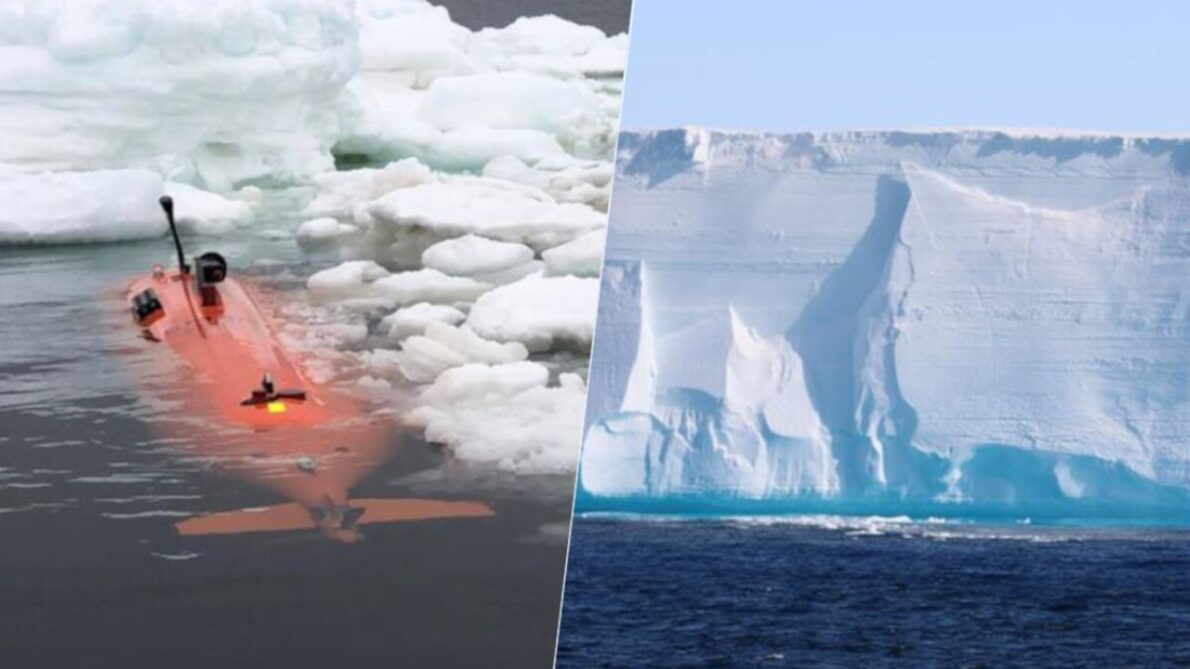
Half a year ago, the world of science suffered a significant loss when an autonomous submarine, operated by the University of Gothenburg, disappeared into the icy depths of Antarctica. The vehicle, valued at €3.4 million, had a crucial mission: to explore the hidden side of the feared Thwaites Glacier, also known as the Judgment Day Glacier. Now, we finally have access to the data that the autonomous submarine collected before its tragic sinking, and the results are, at the very least, alarming.
During 27 days of intense operation, the autonomous submarine Ran navigated the treacherous waters beneath the Dotson Ice Shelf, an extension of the Judgment Day Glacier. It traveled over 1,000 kilometers, reaching an impressive 17 km inside the subglacial cavity. The mission was risky, and unfortunately, the cost was high. However, the data that Ran was able to send before disappearing brought disturbing revelations.
Judgment Day Glacier
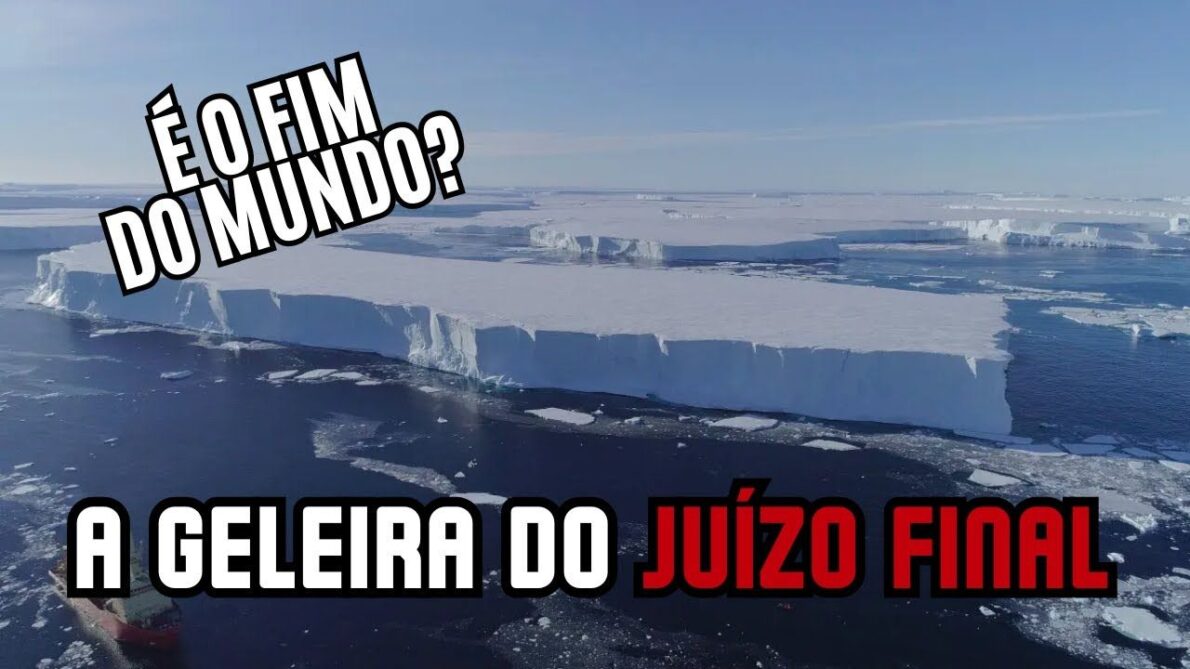
The Judgment Day Glacier, with its 483,000 km³ of ice, carries the apocalyptic weight of potentially raising sea levels by more than half a meter if it were to melt completely. This frozen giant is not an ordinary glacier, as its mass extends into the ocean, forming an ice shelf that mixes seawater with glacial water, creating complex and dangerous dynamics.
-
Three teenagers transform cut cardboard into Japanese origami-style packaging that promises to retire styrofoam and bubble wrap, win a $12,500 prize, and target giants like Amazon, FedEx, and Home Depot after a robot motor arrived broken.

-
The large jar blender has a rival: Oster Ultra Power bets on 1,000 W, six stainless steel blades, and two portable cups with leak-proof lids.

-
Tesla injected an additional $250 million into the German factory, doubled the battery cell target, and opened its own production line for startups.

-
No more TV stuck on the wall: Samsung The Freestyle+, the new projector with over 400 lumens projects on walls, floors, and ceilings, bringing cinema to any corner of the house.



Among the discoveries made by the autonomous submarine, one of the most notable is the confirmation that stronger underwater currents are eroding the ice shelf, accelerating the melting of the western side of the Dotson Shelf. This erosion, caused by the flow of water, significantly contributes to the melting of the Judgment Day Glacier, a process that is concerning to scientists and environmentalists around the world.
Autonomous Submarine Ran Recorded The Existence Of Irregularities In The Submerged Surface Of The Glacier
However, not everything went as expected. The autonomous submarine Ran registered the existence of irregularities on the submerged surface of the glacier, reminiscent of dunes in a desert, a phenomenon that raises new questions about the behavior of ice in contact with ocean currents. These intriguing formations may reveal a lot about the future stability of the glacier and the potential global consequences of its accelerated melting.
Anna Wåhlin, the study leader, compared the experience of mapping the glacier’s bottom to “seeing the back of the Moon.” Before this mission, the study of Thwaites relied on satellite data and ice core extraction, methods that did not allow for a detailed view of what really happens in the depths of the ocean. Now, with the information obtained by the autonomous submarine, scientists have a clearer but also more concerning understanding of what lies beneath the Judgment Day Glacier.
New Questions
The loss of the autonomous submarine is a tragedy that left a void in scientific research, but the sacrifice was not in vain. What Ran discovered may be crucial for understanding the climate changes affecting our planet. However, the new questions that arose show that we are still far from fully comprehending the processes that threaten the stability of this glacier and, consequently, the future of our coastlines.
In times when the climate is becoming increasingly unpredictable, knowing that there is a frozen “judgment day” lurking in the waters of Antarctica is a clear reminder that the answers we seek are often as cold and relentless as the glaciers that hide them.