Portuguese
  Spanish


Supermarket in Japan Creates Slow Checkout for Seniors and People with Disabilities and Reports 10% Increase in Sales, Also Attracting Customers Seeking More Peace.
A supermarket in Fukuoka Prefecture, Japan, found a curious way to improve the experience of its customers: it created a slow checkout, where no one is pressured to rush.
This unexpected measure brought positive results. According to recent information, the establishment recorded a 10% increase in sales after implementation.
A New Concept for an Old Problem
Most modern supermarkets seek to speed up service at checkout. After all, time is precious, and many customers feel uncomfortable with long lines.
-
Eco Invest Auction Aims to Unlock $10 Billion in Investments, Focusing on Green Fertilizers, Critical Minerals, Batteries, and AI for Clean Industry in Brazil

-
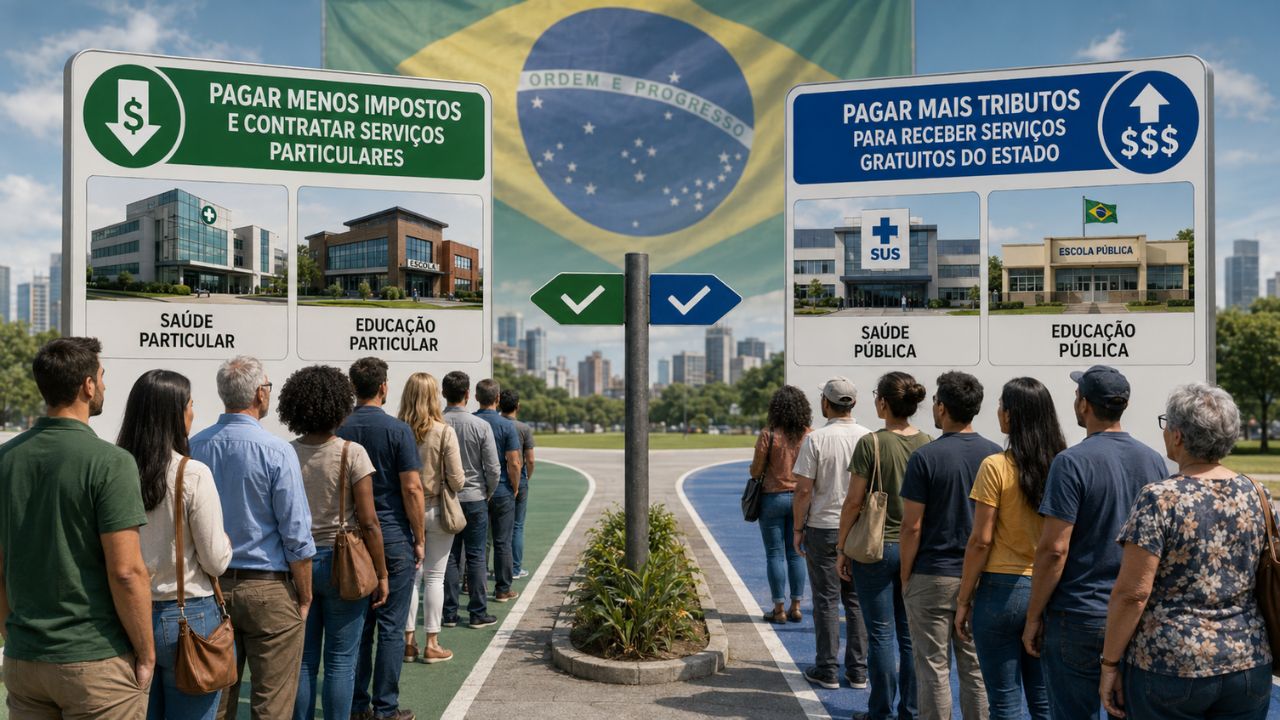
Half of Brazilians Prefer Lower Taxes with Private Health and Education, While 44% Opt for Higher Taxes for State-Provided Services, Datafolha Survey Reveals

-
Brazil’s Most Expensive Toll Rises to R$ 40.60 on Route from São Paulo to the Coast, Nearly Matching Bus Fare to Santos

-
As Brazil Expands Social Welfare, Survey Reveals 40% Blame Poverty on Laziness, While 58% Cite Lack of Opportunities




For seniors, individuals with disabilities, or pregnant women, this pressure is even greater. These people often avoid going out to shop, fearing the discomfort of being seen as “slow”.
However, this supermarket in Fukuoka decided to confront the problem head-on. It created a checkout where service is provided without haste.
There, customers can count their money calmly, pack their purchases at their own pace, and even chat with the attendant, without feeling disapproving looks. There is no time limit, and if necessary, a person can spend more than 20 minutes completing their purchase.
The Inspiration for the Change
The idea for the slow checkout came from Ms. Abe Nana, from the Fukuoka City Alzheimer’s Disease Support Center.
She knew from direct experience how many seniors feel uncomfortable and even embarrassed for not being able to keep up with the fast pace of supermarkets.
Concerned about this reality, Abe Nana suggested the creation of a special checkout. The goal was to allow seniors, pregnant women, and people with disabilities to have a welcoming space, without the anxiety typical of fast lines. The proposal was accepted and quickly implemented in the supermarket.
Positive Results and Popular Support
The new initiative was featured on the program “Everyone Is Sunny” on Japanese TV. The success was such that, in addition to captivating the original target audience, the slow checkout began to be used by other customers.
People who simply do not like the pressure of fast lines also began to prefer this model.
According to the supermarket, the result was immediate: sales increased by about 10%.
Additionally, the store started attracting a more loyal clientele, formed by consumers seeking a more humane and less hurried shopping experience.
An Idea That Can Spread
It is still unknown whether the supermarket intends to take the model to other locations. However, reactions on social media suggest there is significant interest in the concept.
Many comments praised the initiative and highlighted the need to think more about the real needs of people.
“It would be great if there were supermarkets like this near me,” said one user. Another commented, “When we seek efficiency at all costs, we forget the most important things.”
The experience in Fukuoka shows that sometimes slowing down can be the best way to grow.