






 Portuguese
  Spanish
  3 min of reading
  0 comments


Detailed Information on the Extension of the Suspension of Biodiesel Imports by the Federal Government. Understand the Impacts of This Decision on the National Market, the Benefits for Domestic Production, and the Perspectives for the Biofuels Sector in Brazil.
Government Extends Suspension of Biodiesel Imports Until August 2025
The federal government has thus extended the suspension of biodiesel imports for an additional 180 days, prolonging the restriction until August 2025.
In this way, the decision seeks to assess the impacts of imported biodiesel on the national market and, at the same time, ensure the sustainability of the internal production chain.
-
Brazilian scientists are simultaneously advancing two research projects on clean hydrogen and driving solutions that could transform the energy matrix, enhance industrial competitiveness, and accelerate large-scale emission reduction targets.

-
Advancement in renewable energy: A R$ 150 million project launched by Petrobras and Finep aims to create state-of-the-art electrolyzers for green hydrogen, strengthening national research and preparing Brazil to compete in a billion-dollar energy market.
-
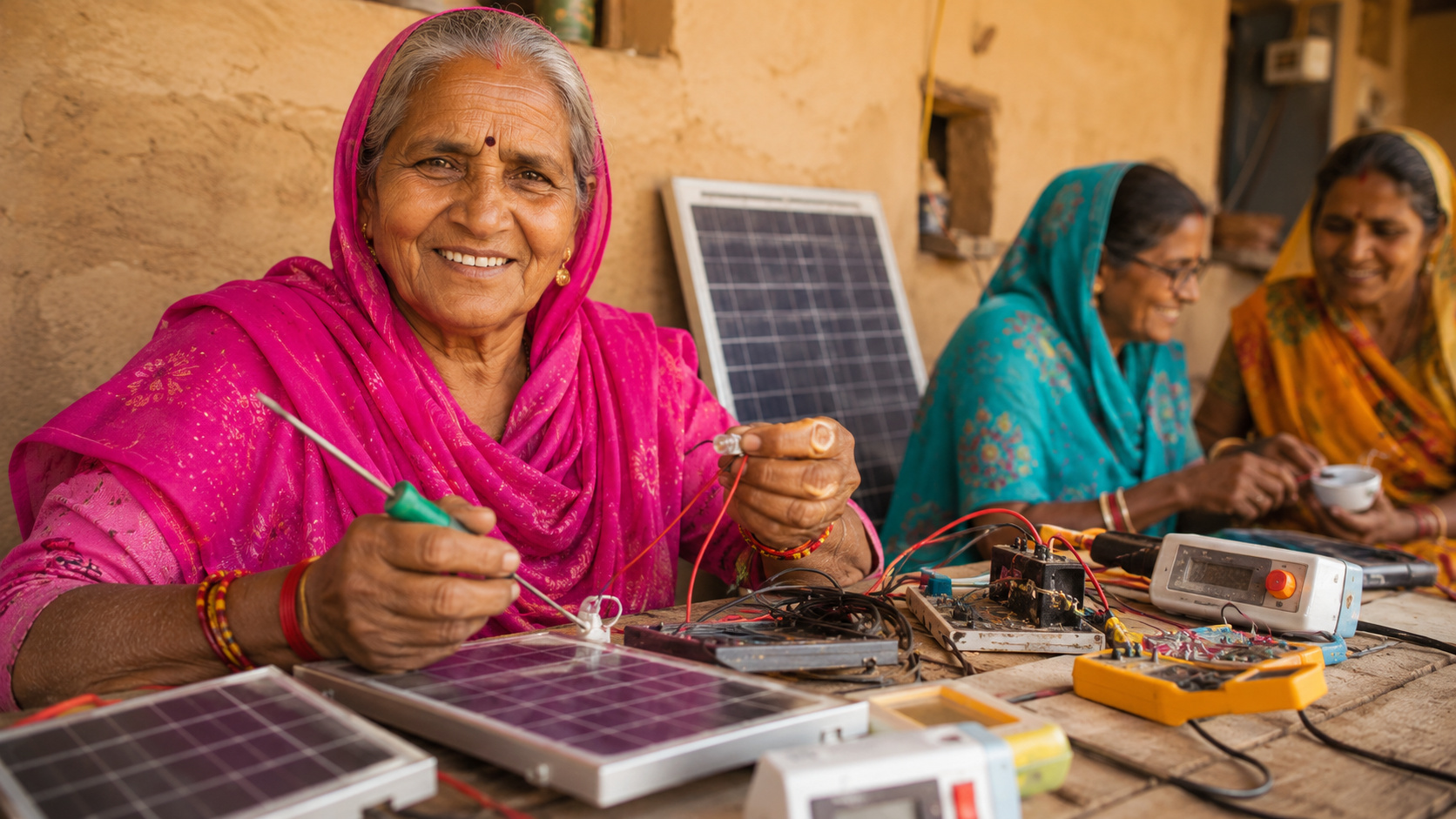
Illiterate or semi-literate grandmothers were trained to repair solar systems, open rural workshops, and light up homes that still depended on kerosene.
-
US$ 7 billion, green hydrogen, and steel with up to 95% less CO₂: the first green steel plant on the planet emerges in Sweden and targets Brazil as the next chapter




Reasons for the Suspension of Biodiesel Imports
Brazil has a strong biodiesel industry, driven mainly by policies such as the Social Biofuel Seal and the mandatory blending of biodiesel into regular diesel.
Furthermore, the entry of imported fuel could negatively impact local production, harming family farmers and companies in the sector.
According to Minister of Mines and Energy, Alexandre Silveira, this measure is essential to preserve the competitiveness of the national industry.
“The suspension of imports allows the internal market to continue growing and creates more jobs,” the minister stated.
Economic and Environmental Consequences
The ban on biodiesel imports directly impacts, among other aspects:
- Domestic biodiesel producers, who will have, first and foremost, more predictability and security in commercialization;
- Renewable fuels market, which grows significantly with the prioritization of domestic production;
- Sustainability and economy, primarily benefited by the reduction of dependence on imports.
Additionally, the new biodiesel commercialization model is undergoing evaluation by the government working group.
This group seeks, in this way, to improve sector policies and ensure adequate supply of renewable fuels.
The Role of the Social Biofuel Seal
The Social Biofuel Seal significantly influences national biodiesel production.
Moreover, it supports family farmers and promotes social inclusion in the production chain.
Thus, the continuity of this policy strengthens the sector’s sustainability and, consequently, boosts the local economy.
Perspectives for the Biodiesel Sector in Brazil
With the suspension of imports, the government intends to further stimulate the growth of the Brazilian biodiesel industry.
The country, in turn, stands out as one of the global leaders in biofuel production.
Thus, the measure reinforces the commitment to sustainable development and reducing carbon emissions.
Experts indicate that, with the advancement of technology and regulatory frameworks, Brazil can increasingly expand its production and establish itself as one of the largest biodiesel exporters in the world.
The extension of the suspension of biodiesel imports until August 2025 protects the national industry, boosts sustainability, and strengthens the economy.
The government will continue evaluating the impacts of the measure to ensure a balance between supply and demand, ensuring an efficient and competitive biofuels market.
Stay updated on changes in the fuels and biofuels sector!
Share this content and follow our news for more information.







Be the first to react!