






 Portuguese
  Spanish


More Than 70 Units of the Nissan Ariya Electric SUV Arrive in Brazil in 2025 for Electrification Research, But With Technologies Still Prohibited in the Country
The Nissan brought over 70 Ariya vehicles from Japan in September 2025. The model, considered one of the most advanced electric SUVs in the world, was designated for the Advanced Research Project for Electrification Solutions and New Technologies.
Even so, the car will not be sold in Brazil, as its autonomous driving functions, such as the ProPILOT 2.0 system, are still blocked by national legislation. Therefore, the Ariya remains limited to the testing field.
Research Project Reveals Unprecedented Testing Stage in Brazil
Nissan’s goal with this initiative is to expand studies on electrification in the country. Thus, instead of conducting only controlled tests, the automaker opted to put a complete fleet into circulation.
-
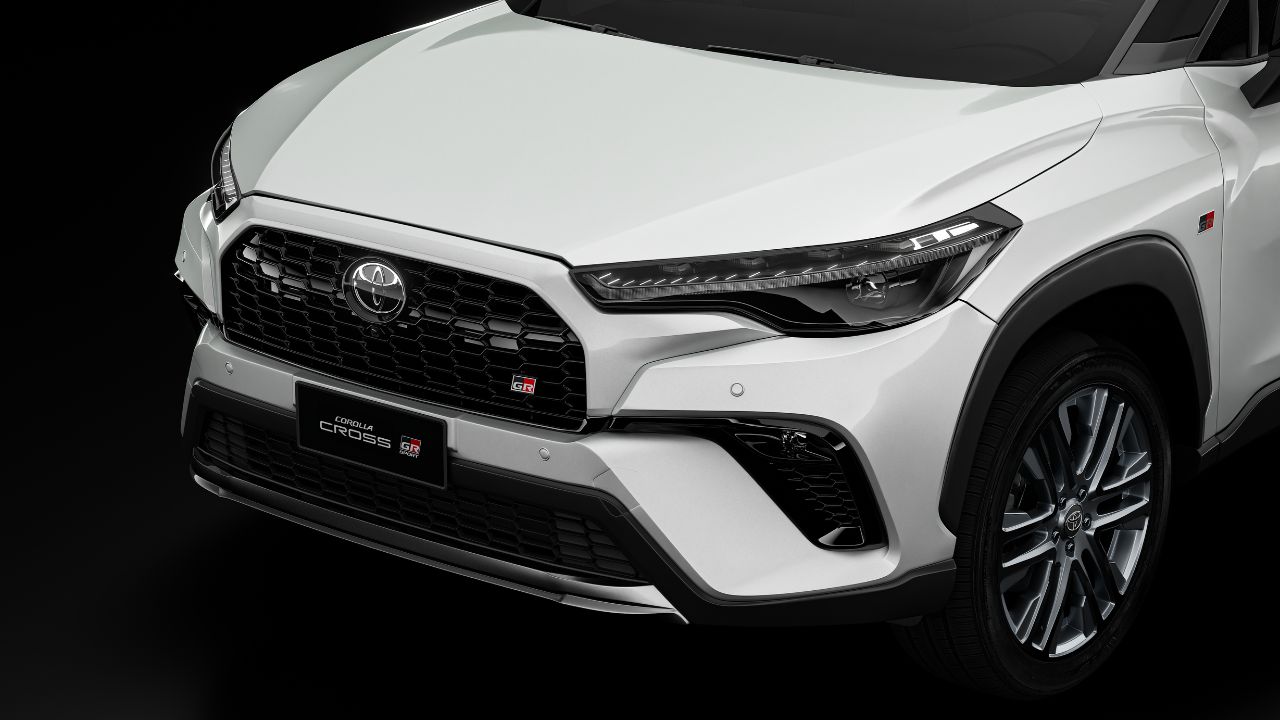
2027 Toyota Corolla Cross Unveiled: New Design, Enhanced Fuel Efficiency, Reduced Maintenance Costs, Advanced Technology, Connected Services, and Up to 10-Year Warranty

-
Fiat Cronos Precision 2018: Affordable Sedan with Spacious Trunk and Reliable Maintenance
-
Volkswagen to Cut Production by 1 Million Cars by 2030, Reducing Jobs and Platforms, Focusing on More Profitable Models

-
Toyota Launches First 100% Electric Car in Brazil: bZ4X with 343 HP, All-Wheel Drive, 361 km Range, Priced at $419,990 BRL, Limited to 99 Units



The units will be used by employees, dealers, and at special company events, such as Nissan Women 2025, held in September 2025. This way, the cars will operate in real-world usage conditions in different Brazilian states, allowing the brand’s engineers to collect more accurate data on the Ariya’s performance in daily life.
According to Nissan itself, a multidisciplinary team will monitor every detail of the operation, evaluating aspects from safety and mobility to entertainment and connectivity. Additionally, the final reports will be used to guide medium- and long-term decisions.
Structure of the Electrification Project
The testing plan initiated in 2025 follows strategic points that were defined to ensure greater efficiency:
- More than 70 units imported from Japan;
- Distribution in different states of the country;
- Participation in corporate actions of the brand;
- Constant technical monitoring;
- Data generation for future decisions.
According to Gonzalo Ibarzábal, President of Nissan Brazil, in an official statement from September 2025:
“We are committed to innovating beyond vehicle sales. The project reinforces that we think about the complete electrification ecosystem, with solutions that enhance the customer experience.”
Nissan Ariya: Performance and Available Versions
The Ariya arrived in four distinct versions, each aimed at different driver profiles:
- Engage – front-wheel drive, 217 hp and 30.6 kgfm;
- Engage e-4ORCE – all-wheel drive, 339 hp and 57 kgfm;
- Engage+ e-4ORCE – all-wheel drive, 394 hp and 61.2 kgfm;
- Platinum e-4ORCE – all-wheel drive, 394 hp and 61.2 kgfm.
Moreover, the SUV can receive 66 kWh or 91 kWh batteries, which offer an autonomy of up to 533 km, according to international data from 2025. Thus, even though it is not sold, it clearly demonstrates the level of technology that Nissan already masters.
The design bets on a futuristic and minimalist style, with aerodynamic curves and striking lines. Additionally, it offers a spacious and technological interior, reinforcing the vehicle’s modern appeal.
Official dimensions of the Ariya:
- Height: 1.67 m
- Length: 4.64 m
- Width: 2.17 m
- Trunk: 460 liters
Autonomous Driving Remains Prohibited by National Legislation
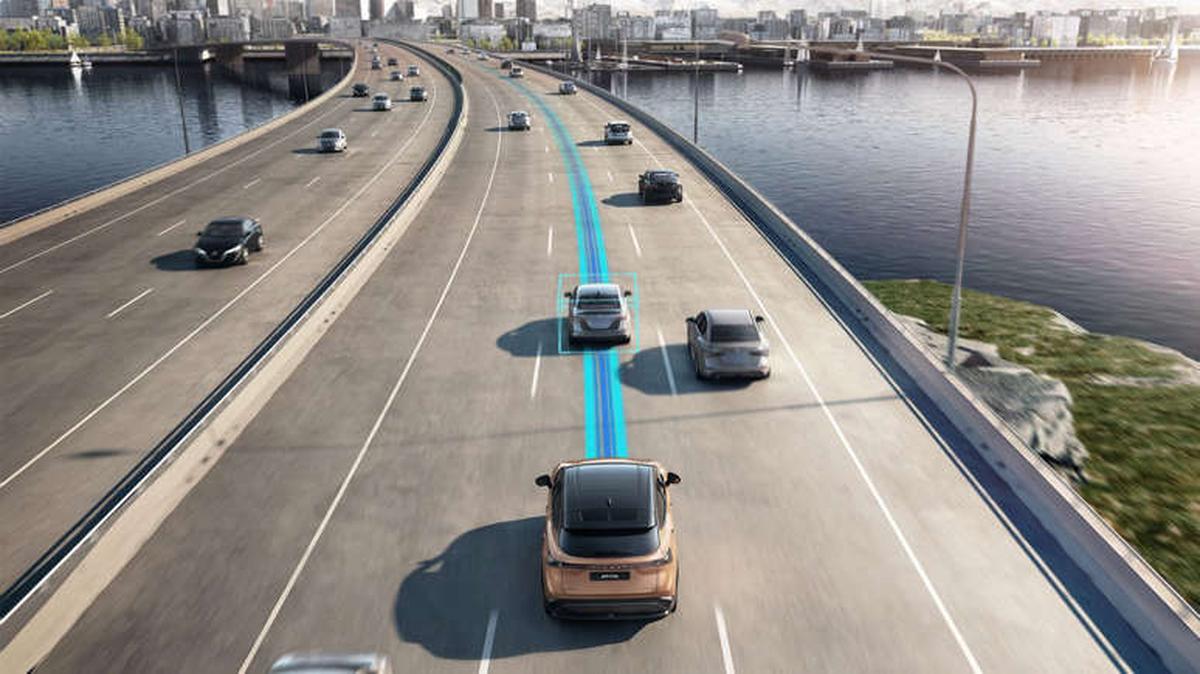
The Nissan Ariya incorporates the ProPILOT 2.0 system, a driver assistance package that includes various technologies. Among them are:
- Automated Lane Change;
- Intelligent Parking;
- Overtaking Support;
- 360º Camera and Digital Mirrors;
- Traffic Sign Recognition;
- Blind Spot Warning with Active Intervention;
- Front and Rear Collision Prevention with Pedestrian Detection.
These functions allow the car to follow the flow of traffic, maintain distance, brake, and start on its own. However, Brazilian legislation in 2025 does not authorize hands-free driving, preventing the system from being released to the public. Thus, the Ariya continues to serve as a technological laboratory in the country.
Expected Impacts for the Future of Mobility in Brazil
The circulation of the Ariya on Brazilian soil, even without commercialization, represents an important step for the electrification sector. Furthermore, it strengthens local technical knowledge and paves the way for the arrival of even more advanced electric vehicles.
The project may contribute to public and regulatory policies related to autonomous mobility. Therefore, the experience in September 2025 becomes a strategic opportunity to bring Brazil closer to international trends in the automotive sector.
Nissan Focuses on the Complete Ecosystem of Electrification
Nissan’s study shows that the company does not limit its actions to automobile sales. On the contrary, the strategy is to analyze the electrification ecosystem, considering everything from city adaptation to regulations regarding autonomous driving.
Thus, by bringing an entire fleet of vehicles for real use, the automaker reinforces its commitment to prepare the market and Brazilian consumers for the next stage of electric mobility. In this way, a gradual adaptation movement is created that strengthens the foundation for future advancements.
What do you think should be a priority for Brazil: to quickly release autonomous technologies to keep pace with global trends or to advance infrastructure and regulation first, ensuring safety and gradual adaptation?








