Portuguese
  Spanish


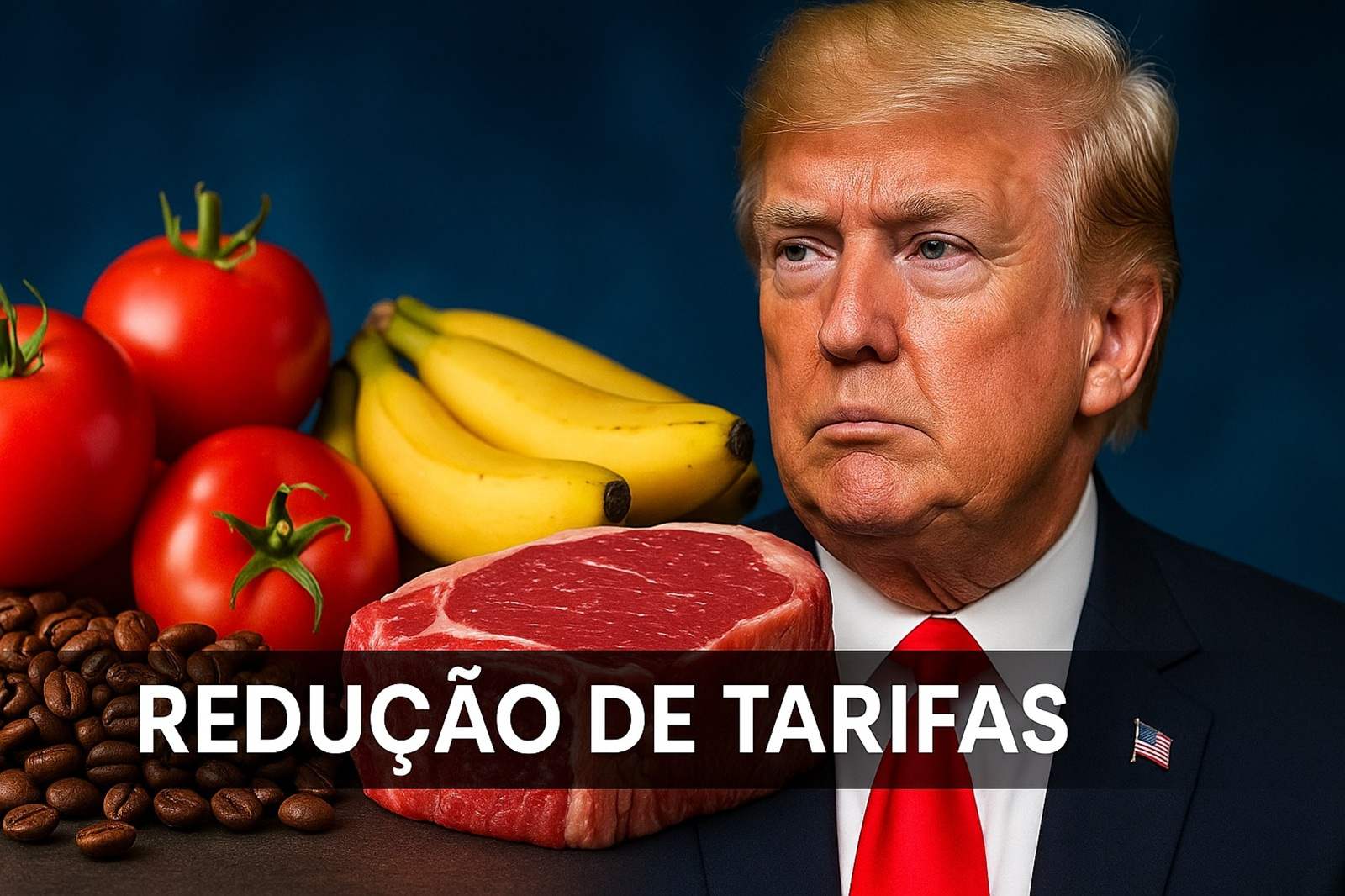


The Decision By Trump Comes After The Impact Of Tariffs Raising Food Prices In The US. The Measure Reduces Taxes On Beef, Tomatoes, Coffee, And Bananas And Reignites Trade Negotiations Between Washington And Brasília.
The President Of The United States, Donald Trump, Signed A Measure That Reduces The Effect Of The Tariffs On The Importation Of Beef, Tomatoes, Coffee, And Bananas.
The Decision Comes At A Time When The Government Is Looking To Control Food Inflation In The Country After The Tariffs.
The Act, Announced This Friday, Alters Rules Of Reciprocal Tariffs Used As A National Security Tool Within Trump’s Strategy To Face Trade Deficits Considered Large And Persistent By The US.
-
At 14 years old, she worked in a factory in Hong Kong, studied economics abroad, and then entered the Chinese real estate market, which helped change the landscape of Beijing.

-
While NATO secured more than $10 billion in missiles and space surveillance at a single forum, Brazil still spends 1.1% of its GDP on defense and is stalling its own anti-aircraft system.

-
Corn ethanol attracts R$ 23 billion in 21 new plants and prepares for a nearly 50% jump in Brazilian production by 2027, even with high interest rates.
-
A newly opened terminal in the middle of the Amazon has begun transporting soy and corn through Amapá, eyeing the queue of ships that is congesting the ports in the South.


According To The Document From The White House, The Reduction Meets Recommendations From Authorities Responsible For Monitoring The National Emergency Declared In April.
The Measure Applies Retroactively From 2:01 AM On The 13th, Which Immediately Adjusts The Effects On Hundreds Of Items Listed By The Government.
The Trade Negotiations, Domestic Demand, And American Productive Capacity Are Seen As Decisive Factors For The Announced Revision.
Trump Stated In The Decree That He Evaluated Information Presented By These Authorities, The Progress Of Talks With Partners, And The Local Production Situation.
He Declared That After This Analysis, He Considered It Necessary To Modify The Scope Of The Tariffs Imposed Earlier By Executive Order 14257.
The Government Understands That The Current Scenario Allows For Specific Flexibility, Especially Regarding Products That Do Not Have Sufficient Supply In The US Or That Directly Affect Consumer Prices.
Impacts On Exporters And Effects In The American Market
The Decision Affects Several Commodity Exporting Countries And Is Expected To Particularly Benefit Brazil, Which Leads Global Coffee Production And Ranks Second In Beef Production, According To The US Department Of Agriculture.
In 2024, Brazil Exported US$ 1.96 Billion In Coffee To The American Market, Maintaining Its Position As The Main Supplier. However, Since August, Sales Plummeted After The Full Tariff Of 50%, With A Decline Of 54.4% In October Compared To The Previous Year.
In The United States, Coffee Prices Have Increased By About 20% Compared To Last Year’s Prices, According To The Official Consumer Inflation Index.
This Scenario Reinforces The Weight Of Tariffs On Domestic Inflationary Pressure, A Sensitive Point For A Government Trying To Balance Economic Protection And The Cost Of Living.
The Announced Reduction Represents A Retreat From Trump’s Public Defense That Global Tariffs Were Not Affecting Inflation.
Regional Agreements And Limits Of Tariff Flexibility
Despite The Announcements, The White House Indicated That It Will Continue To Apply General Tariffs Of 10% On Products From Argentina, El Salvador, And Guatemala, In Addition To Maintaining The 15% Tariff On Items Originating From Ecuador.
Nonetheless, The Government Plans To Reduce Rates On Some Of These Goods. The Four Latin American Countries Also Committed Not To Impose Taxes On Digital Services Of Big Techs, An Element That Has Become A Priority In Trade Talks Negotiations.
The White House Highlighted That It Has Maintained Conversations Considered Productive With Other Countries In The Region.
However, Brazil Does Not Appear On The List Of Recent Agreements And Remains Subject To The 50% Tariffs. This Point Prompted A New Brazilian Diplomatic Movement.
The Minister Of Foreign Affairs, Mauro Vieira, Met With US Secretary Of State Marco Rubio To Discuss The Issue And Show Expectations For A Response To Brazil’s Proposal To Temporarily Suspend Tariffs Before Negotiating Specific Products.
Vieira Did Not Detail The Brazilian Proposal. Still, He Explained That The Country Is Trying To Secure A Provisional Agreement Based On Suspending The 40% Tariffs, Which Combined With The Global Tariff Of 10% Raise The Total Taxation On National Products To 50%.
The Brazilian Government Argues That The Temporary Removal Of These Barriers Would Allow For More Balanced Sectoral Negotiations.
Main Reasons For Trump To Retreat On Tariffs
See Below Everything That Trump Considered To Reduce The Impact Of Tariffs.
Control Of Food Inflation
The Rise In The Cost Of Items Such As Coffee, Beef, Tomatoes, And Bananas Has Pressured Inflation And Led Trump To Adopt Measures To Increase Supply.
Negotiations With Trade Partners
The Advance In Agreements With Argentina, Ecuador, El Salvador, And Guatemala Created A Favorable Environment To Review Tariffs. The White House Considered The Timing Appropriate After Announcing New Trade Partnerships.
High Domestic Demand
The United States Faced Strong Internal Demand For Food While Production Capacity Was Not Meeting Consumption. The Need To Ensure Adequate Supply Reinforced The Tariff Relief.
Drop In Imports After The Tariffs
The Total Tariff Of 50% Has Crushed Imports, As Shown By The Data On Brazilian Coffee, Which Dropped By 54.4% In October. The Reduction In Purchases Affected Supply And Contributed To The Decision To Relax The Rates.
Real Impact Of Tariffs On Prices
Despite The Claim That Tariffs Were Not Impacting Inflation, The Government Acknowledged That Some Items Elevated Internal Costs. The Commitment To Exempt Products Without American Production Also Weighed Heavily In The Review.
Diplomacy Between Trump And Lula And Negotiation Priorities
Trump And President Luiz Inácio Lula Da Silva Met In October During An Asean Event In Kuala Lumpur.
The Meeting Took Place Weeks After A Phone Conversation Between The Two Leaders And Reinforced The Environment Of Open Dialogue.
At The Time, Trump Stated That He Could Quickly Negotiate The Tariffs Imposed On Brazil. The Brazilian Government Is Banking On This Signal To Advocate For The Immediate Suspension Of Additional Tariffs While Teams Address Specific Points.
Since Rubio Took The Lead In Negotiating The Tariffs, Vieira Has Held Four Meetings With The Secretary.
The First Meeting Took Place Shortly After The Phone Call Between Trump And Lula And Was Classified By The Minister As An Auspicious Start To The Process. In The Following Weeks, Brazilian Negotiators Held Informal Discussions With Those Responsible For Trade Issues In The US.
During These Conversations, Americans Highlighted Two Priorities: Access To The Brazilian Ethanol Market And Discussion About Big Tech Regulation, Focusing On Content Moderation.
The US States That Platform Regulation Is Directly Related To Freedom Of Expression. Meanwhile, Ethanol Represents An Old Complaint From Washington, Which Criticizes The 18% Tariff Imposed By Brazil On The American Product Made From Corn. In The US, The Barrier For Brazilian Ethanol Is 2.5%.
The Brazilian Side Reminds That The US Has Never Agreed To Link The Ethanol Issue To The Liberalization Of The Sugar Market, A Sector Strongly Protected By The American Government.
In The Meantime, Trump Indicated On Tuesday That He Would Reduce Some Tariffs On Coffee, A Gesture Viewed By Brazilian Exporters As An Indication Of Possible Progress.