






 Portuguese
  Spanish


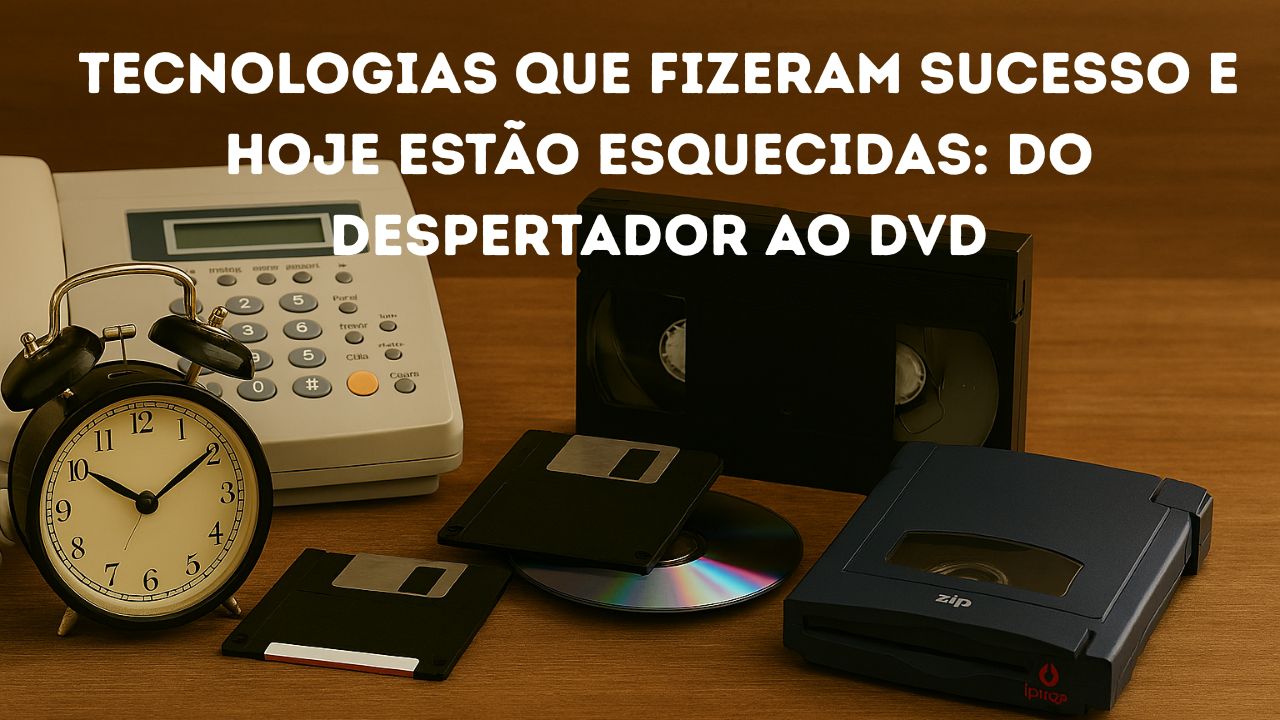

Discover The Technologies That Were Successful In The Past And Are Now Obsolete. From Alarm Clocks To DVDs, See How Innovation Transformed Our Daily Lives.
Have you ever stopped to think about how some technologies that were successful in the past simply disappeared from our daily lives? From mechanical alarm clocks to DVDs and fax machines, many items that were once indispensable have lost space to more modern and digital solutions.
The Olhar Digital has compiled a list of the main devices that marked generations but are now rarities.
The End Of The Traditional Alarm Clock: From The Bedroom To Forgetfulness
The alarm clock, that noisy companion of the mornings, was invented by the Frenchman Antoine Redier, who patented the first adjustable model. Soon after, in the United States, Seth E. Thomas popularized the mechanical wind-up clock.
-
China Develops Custom 140-Ton Electric Mining Truck with 770 kWh Swappable Battery, Deploys 290 Units in Xinjiang’s Largest Zinc Mine

-
Meta to Launch Arena, a New Prediction App Targeting 3.56 Billion Users, Competing with Polymarket and Kalshi

-
Scientist Challenges Famous Human Evolution Theory, Argues Homo Sapiens Evolved Gradually Over Thousands of Years
-
15-Year-Old American Builds Ocean Generator with PVC Pipe and 3D-Printed Propeller for $12, Wins National Prize, Presents at White House, and Makes Forbes 30 Under 30 List





During the 19th century, the electric alarm clock gained popularity in homes worldwide. However, with the arrival of cell phones and their integrated functions, the device lost its utility.
Today, it is rare to find someone who still uses it — it has become a decorative piece or a nostalgic object.
Floppy Disk: The Symbol Of The Digital Age Of The 90s
Launched in 1971, the floppy disk was a revolution in data storage. With it, it was possible to transfer files between computers easily and safely — at least for its time.
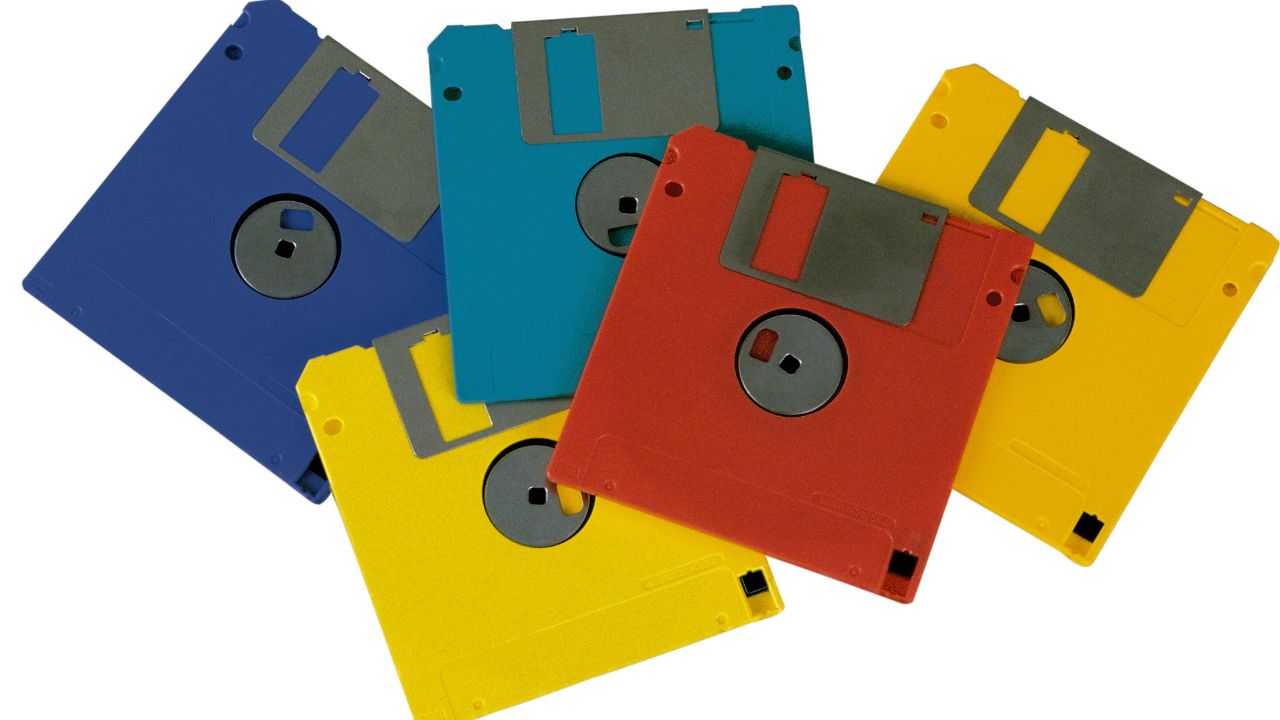
With advancements in technology, more efficient alternatives such as flash drives, external hard drives, and cloud storage emerged. The floppy disk, which was once synonymous with innovation, is now just a memory of the pre-high-speed internet era.
Fax: When Paper Was Still King
The fax machine emerged in 1964, developed by the Xerox company. It allowed the sending of documents via telephone lines, connecting a scanner and printer in a single operation.
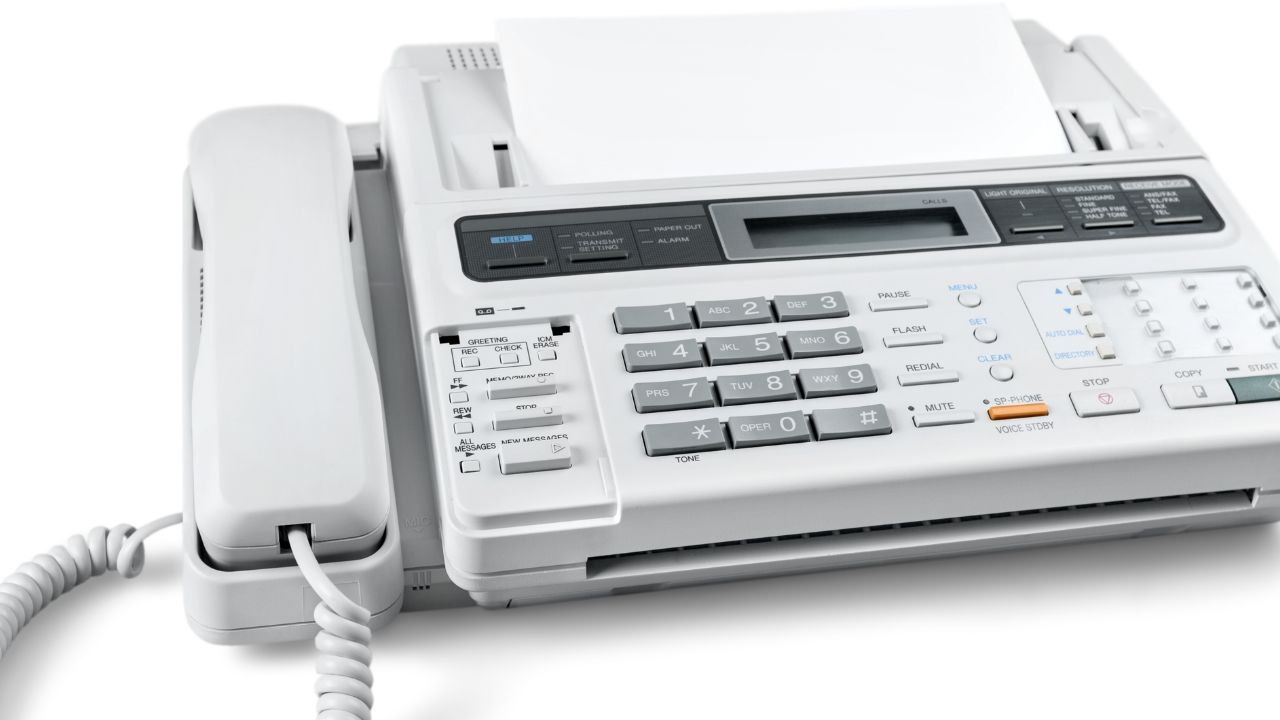
With the decline in the use of landlines and the rise of email and document digitization, the fax machine became obsolete. Today, companies use online platforms to send files more quickly and securely.
Phone Cards: The Credit That Became History
In the 90s and early 2000s, phone cards were essential for those who needed to use payphones. In Brazil, the first was installed in Rio de Janeiro in 1972, and soon spread across the country.
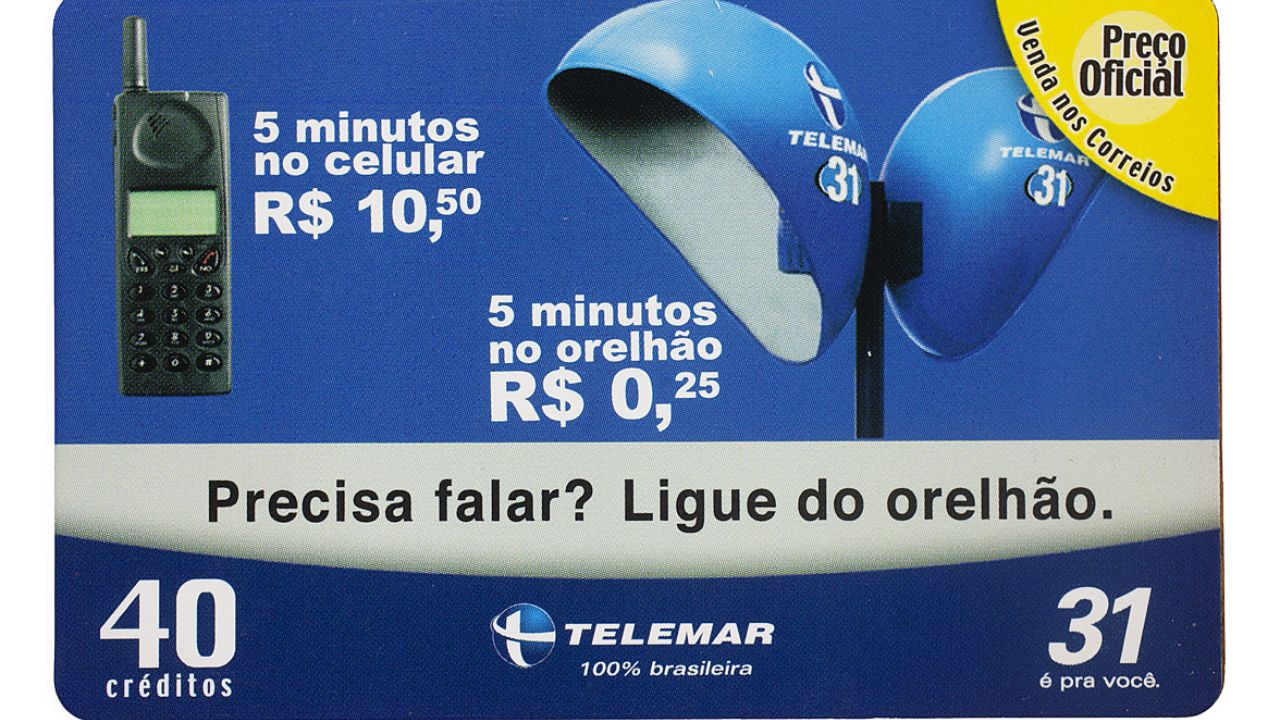
The most common model was the inductive card, which worked through magnetic induction. With the rise of cell phones and affordable plans, cards lost their function. Today, they are collector’s items.
DVD, Blu-ray And VHS: The Evolution Of Home Entertainment
VHS tapes dominated the 70s and 80s, followed by DVDs in the 90s and Blu-rays in the 2000s. Each technology brought improvements in image and sound quality, in addition to making it easier to access movies at home.
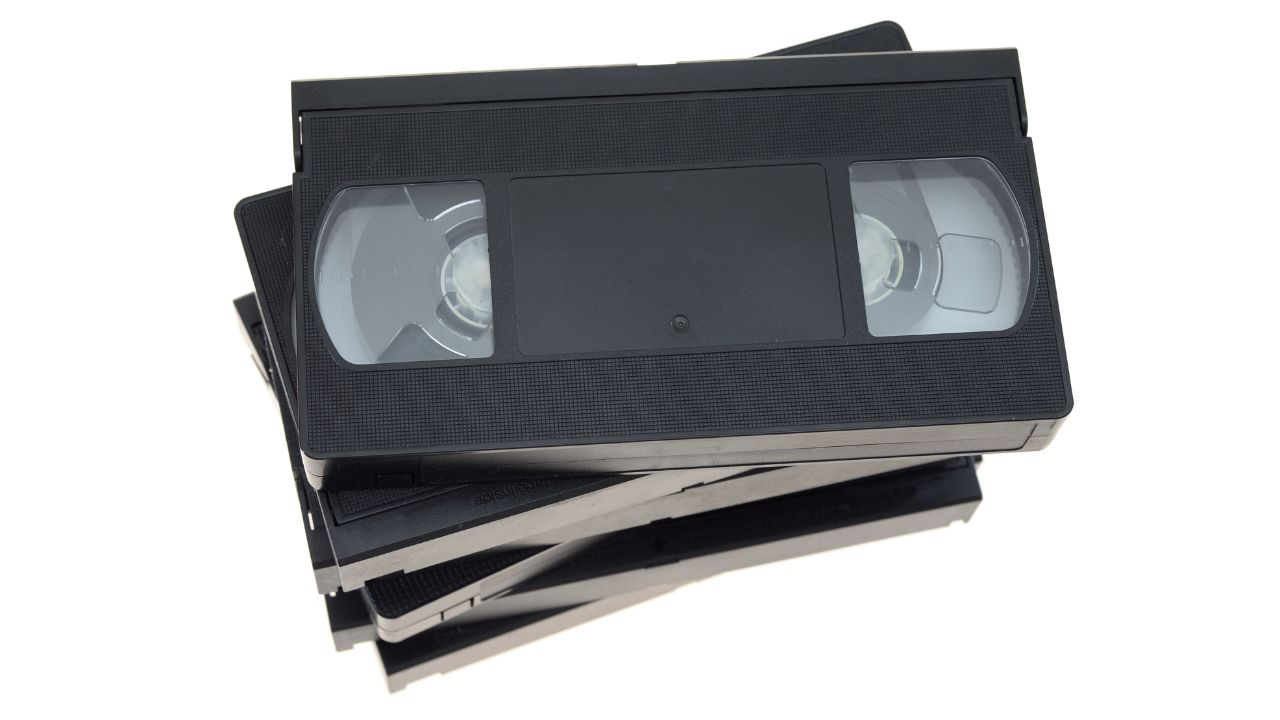
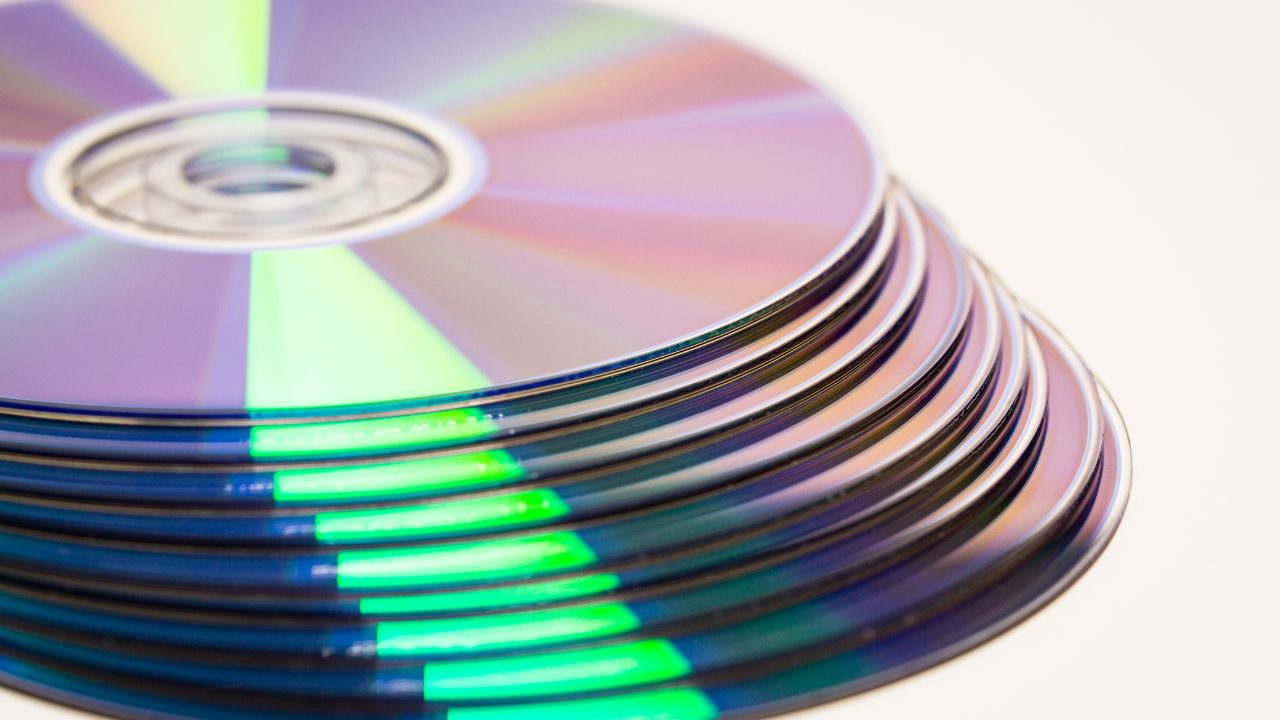
However, with the arrival of streaming services like Netflix and Prime Video, these physical formats lost their space.
The convenience of watching any content online made playback devices museum pieces.
Zip Drive: The Giant Of Storage That Became A Dwarf
In the 90s, the Zip Drive was a revolutionary solution for companies. With a capacity of 100 MB — eighty times larger than a floppy disk — it allowed for storing large volumes of data.
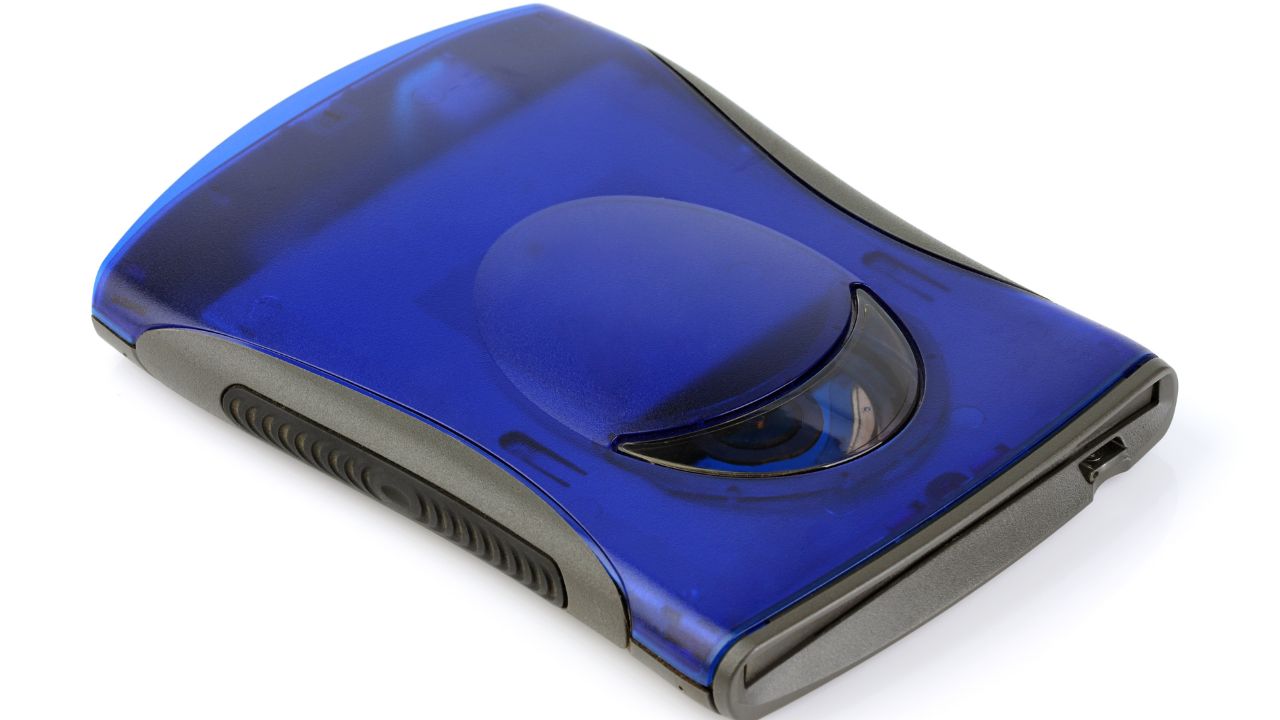
Despite its initial success, the Zip Drive was quickly surpassed by more compact and efficient technologies. Today, it is remembered as an important step in the evolution of digital storage.
What Do These Technologies Reveal About Our Time?
All these technologies that were successful show how rapid and relentless innovation can be. What is essential today may be dispensable tomorrow.
Digital transformation not only replaces tools but also changes habits, behaviors, and even memories.
Meanwhile, some of these inventions still live in the collective imagination — whether as museum pieces, vintage objects, or symbols of an era when technology was more physical and less invisible.
And you, which of these technologies marked your life?






