Portuguese
  Spanish


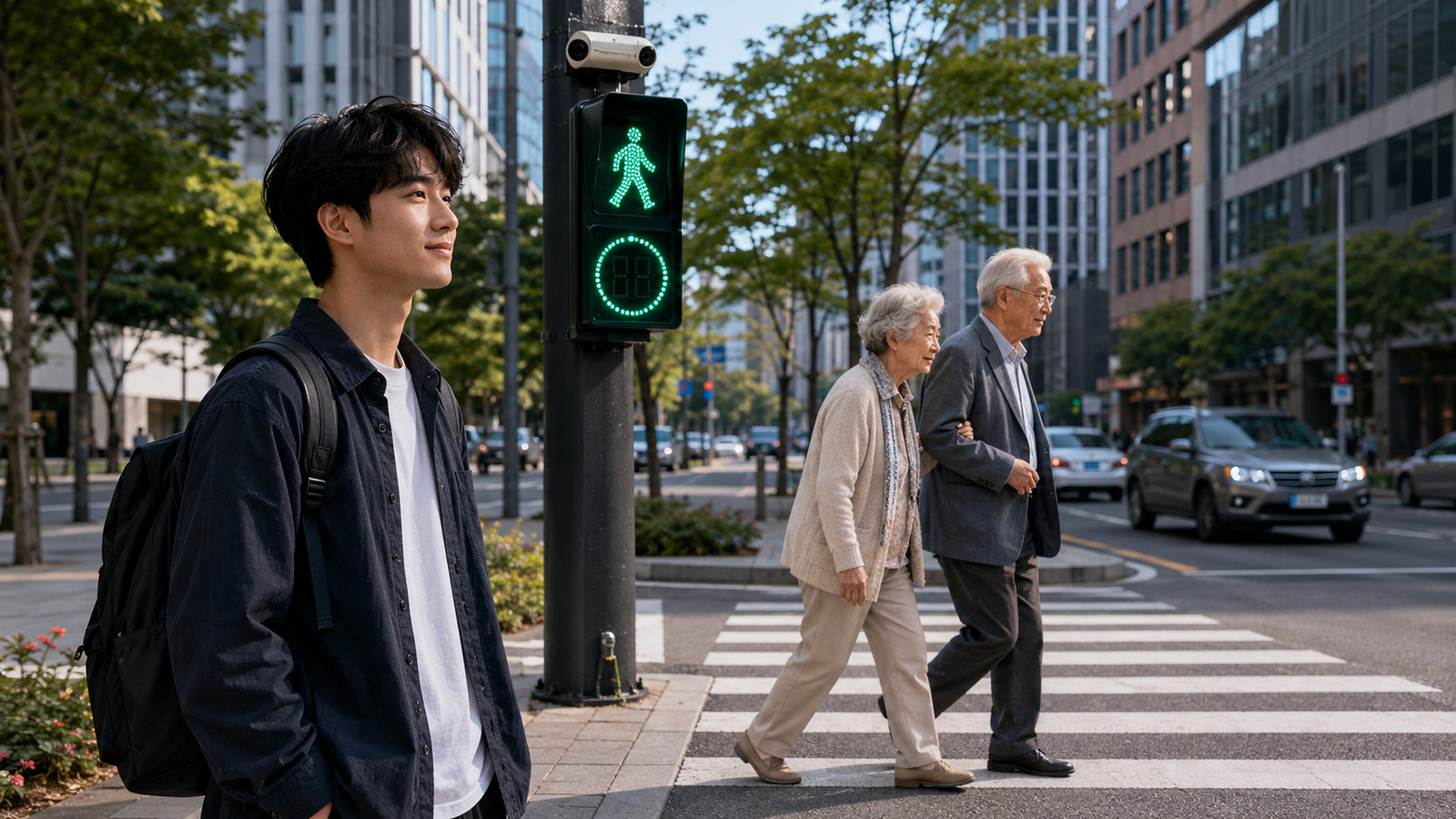

Created by Jay Jung, a student at Phillips Academy, SmartBlink uses artificial intelligence to detect pedestrians in real-time and automatically increase crossing time according to the pace of those crossing the street
Jay Jung, 18, created the SmartBlink, an adaptive traffic light system with artificial intelligence that detects pedestrians in real-time and automatically adjusts the crossing time. The invention aims to make crosswalks safer for the elderly, people with reduced mobility, and those who need more time to cross.

SmartBlink adjusts the signal according to the pace of the slowest pedestrian at the traffic light
A high school student at Phillips Academy, a boarding school in Massachusetts, Jung developed the system to change the common logic of intersections.
Instead of prioritizing only the flow of automobiles, SmartBlink calculates the necessary crossing time based on the pace of the slowest pedestrian.
-
NASA Plans Telescope That Can Be Repaired by Robots 1.5 Million Kilometers from Earth

-
China Launches First Oceanic Medical Rescue Ship with Advanced Facilities to Serve Remote Regions

-
Midea Unveils Portable PortaSplit Air Conditioner: 12,000 BTUs, Quiet Mode, Heating, Dehumidification, App Control, and AI Efficiency Without Professional Installation
-
Singapore Turns Incinerated Waste Ash into Construction “Sand” in Ambitious Project to Revolutionize Megacity Waste Management



According to Jung, if a signal normally lasts 20 seconds, but the system predicts, from the first steps, that a person will take 34 seconds to cross, SmartBlink would automatically add 14 more seconds to the crossing time.
The idea, he explained, is to ensure that the pedestrian does not feel pressured and knows they are safe while crossing the street.


Smart traffic light: System recognizes wheelchairs, crutches, and canes
Jung said that SmartBlink can also detect pedestrians using wheelchairs, crutches, or canes.
The algorithm was adjusted to work in different lighting conditions, allowing use during the day or night.
This point is central to the project’s proposal: to adapt the crossing to the person who is crossing, and not to require everyone to follow the same fixed traffic light time.
Experience with grandparents inspired the creation
The idea was born from a personal experience. Jay Jung grew up with his grandparents in South Korea and, still in elementary school, noticed a recurring problem when walking with them through Seoul.
“Whenever I went with them to the supermarket or the local park, I noticed that we hadn’t even reached halfway and, suddenly, the light turned red,” said Jung.
He stated that after noticing the situation, it became difficult to ignore the problem. For the student, creating more inclusive and accessible spaces has become a priority in recent years.
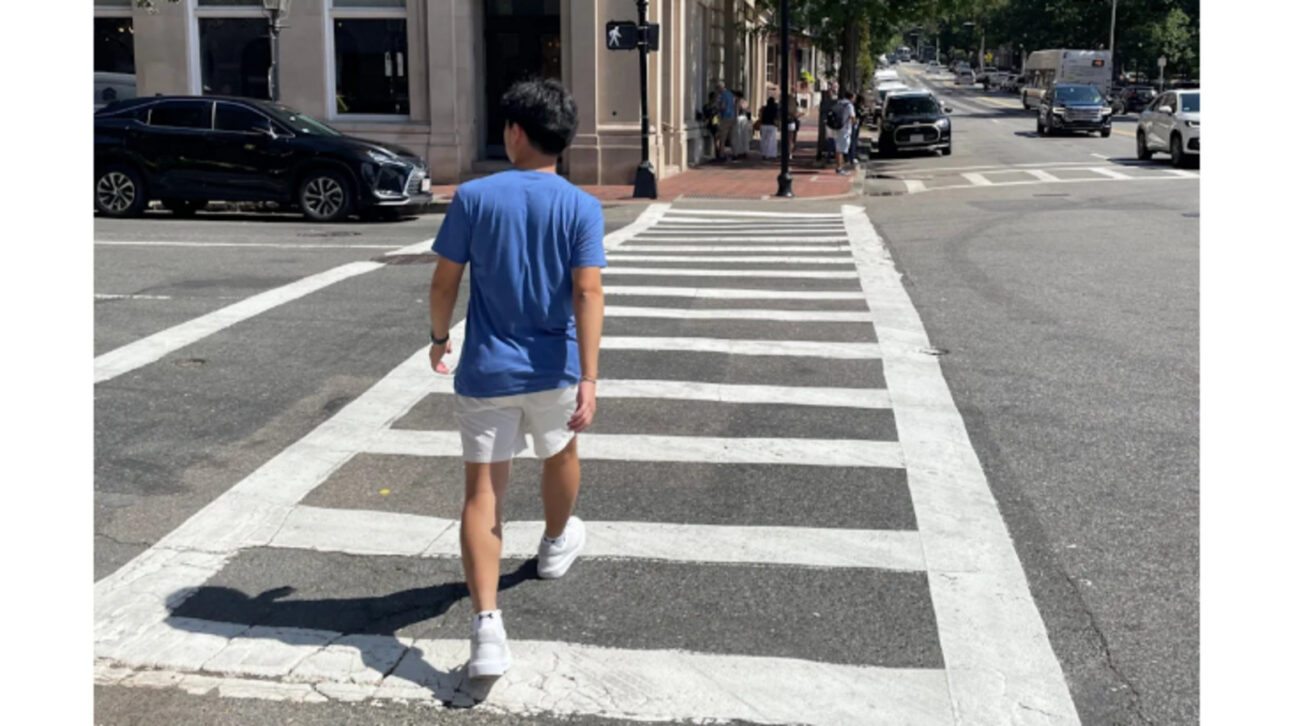
Invention won international award and will still be tested
The creation earned Jung the Behavioral and Social Sciences award at this year’s Regeneron International Science and Engineering Fair, considered the largest pre-university international scientific competition in the world. With the achievement, he received a medal and $6,000.
Despite the recognition, SmartBlink has not yet been implemented at any crosswalk. The next step, according to Jung, is to test the system with local governments in different communities.
He stated that he wishes to develop specific solutions for each community, considering that each has different needs and conditions.
Jung also said he intends to collaborate with technology companies to enable mass production of these systems.
This article was prepared based on the information provided in the source material about Jay Jung and SmartBlink, with data, numbers, and statements preserved as per the consulted material.