






 Portuguese
  Spanish




William Colgate started as an apprentice in difficult conditions, realized the value of standardization, and transformed common soaps and candles into the foundation of a global company
Before becoming one of the most well-known names in oral hygiene, Colgate was just the surname of a young English immigrant trying to survive in New York. William Colgate had no fortune, academic background, or commercial influence. Nevertheless, he used the knowledge acquired in a small factory to found, in 1806, a business of soaps, candles, and starch that would endure wars, fires, economic crises, and profound changes in consumer habits.
The transformation did not begin with toothpaste, million-dollar advertising, or modern laboratories. The starting point was a simple perception: in a market dominated by anonymous products sold in bulk, consistent quality, identification, and trust could differentiate a common commodity. The strategy made the Colgate surname stop representing just a family and become the permanent identity of a company.
The immigrant who learned the business by carrying fat and handling lye
William Colgate was born on January 25, 1783, in the English village of Hollingbourne. Son of Robert Colgate and Sarah Bowles, he grew up in a family marked by work and the political and religious tensions of that period.
-
Without a Road to School, Brazilian Vendor Carves 8 km Mountain Path Alone After Watching Children Struggle

-
Tech Expert Leaves $1 Million Google Job to Launch Own AI Startup

-
Entrepreneur Discovers Hidden Generators, Invests R$ 75,000 Without Funds, and Grows Tecnogera into a R$ 750 Million Energy Company
-
16-Year-Old Girl Wins Top Google Science Fair Prize for Creating Water-Retaining Soil Material from Discarded Orange and Avocado Peels




The fear of persecution led the Colgates to leave England. William was approximately 15 years old when he crossed the Atlantic with his parents, facing a precarious journey marked by storms, limited food, diseases, and unsanitary conditions.
The family tried to settle in Maryland and then in New York. However, financial difficulties continued. William worked in stables, delivered milk, and took on various manual jobs to help support the household.
The decisive change occurred in 1804, when the 21-year-old went alone to New York City. There, he got a job as an apprentice in a small soap and candle factory.
The routine was tough. William carried barrels of animal fat, handled caustic soda, stood in front of steaming cauldrons, and cut large blocks of soap. The wounded hands and the smell ingrained in his clothes were part of the job.
The young man, however, did not just observe the production. He followed suppliers, prices, deadlines, deliveries, and negotiations. It was in this environment that he perceived an opportunity hidden in a product considered banal.


The Small Factory That Put a Surname on the Packaging
William saved resources, reduced expenses, and self-studied subjects related to chemistry, accounting, and commercial activity. In 1806, at 23 years old, he rented a small space on Dutch Street and founded William Colgate & Company.
The company started in an artisanal way. William manufactured, cut, packaged, sold, and delivered soaps and candles to families, hotels, merchants, and laundresses.
The main differentiator was not just in the formula. William put his own name on the packaging, an uncommon practice at a time when many products did not have clear identification.
The choice created a promise of origin. The buyer could recognize the merchandise, find it again, and expect the same aroma, texture, efficiency, and durability.
The growth came gradually. The company hired workers, increased production, and reached buyers from other regions of the East Coast of the United States.
Wars, Fires, and Crises Put the Business to the Test
The War of 1812, fought between the United States and the United Kingdom, disrupted trade routes and increased raw material costs. William responded by seeking alternative suppliers, controlling stocks, and avoiding excessive price increases.
A fire hit part of the facilities at the end of the 1820s. Instead of abandoning the business, the entrepreneur rebuilt the factory with improvements in safety, ventilation, and organization.
Banking crises, inflation, and credit restrictions also led many enterprises to bankruptcy. Colgate resisted by maintaining prudent management, avoiding risky debts, and reinvesting part of the profits.
Production was expanded with starch, perfumes, and essences. At the same time, formulas and procedures were standardized to prevent the increase in scale from reducing quality.
The Toothpaste That Changed the Company’s Future
William prepared his son Samuel Colgate to take over the company. The heir learned about manufacturing, costs, negotiations, and investments before taking on greater responsibilities.
William died on March 25, 1857, at 74 years old, in New York. After that, the business became known as Colgate & Company.
The definitive entry into the oral hygiene market occurred in 1873, with the launch of a flavored toothpaste sold in glass jars. By 1896, the product began to be marketed in flexible tubes, making it easier to use, transport, and preserve.
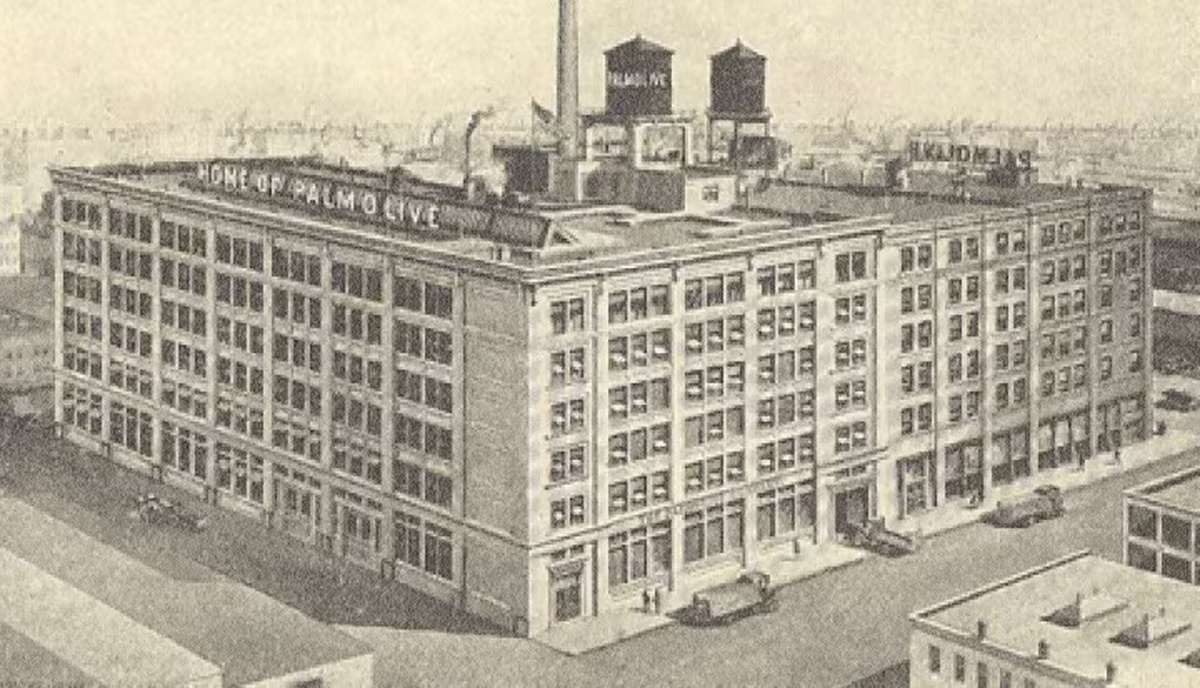
Another important step took place in 1928, when Colgate merged with Palmolive-Peet. The operation brought together factories, brands, and distribution networks, forming the company that would later adopt the name Colgate-Palmolive.
The trajectory recorded by the institutional history of Colgate-Palmolive shows that an everyday product can gain enormous value when it delivers quality and identity. The surname created in a small factory survived wars, fires, and technological changes because it represented something consumers recognized: trust.
And you, do you believe that William Colgate’s perseverance was more important than his ability to see an opportunity where everyone else saw just a bar of soap?


