






 Portuguese
  Spanish
 4 min of reading
  1 comment


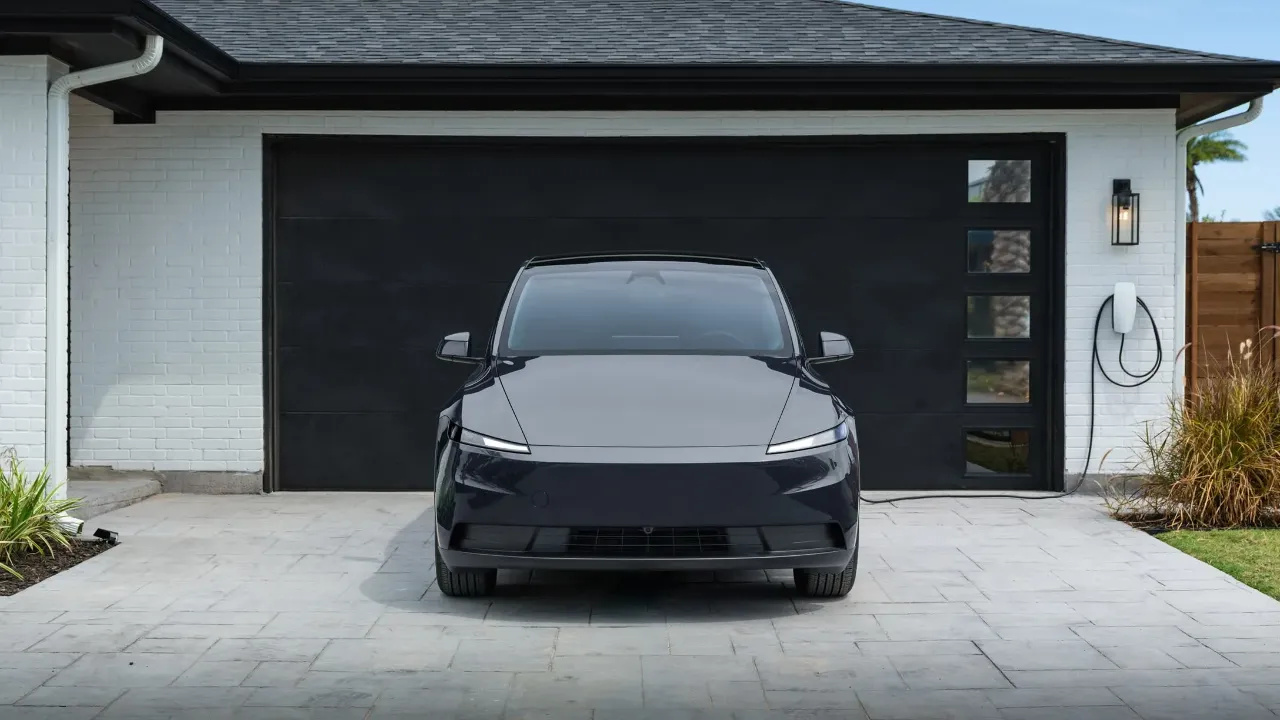


Tesla took a long-awaited step that industry analysts had anticipated: the launch of the Model Y Standard, a more accessible entry-level version within the brand’s electric SUV lineup. The move comes amid strong competitive pressure from BYD and other Chinese automakers that have been dominating the segment with aggressive pricing and reduced margins. In practice, the new model functions like the “Polo Track” of Tesla’s electric vehicles: fewer items, the same essence, and a more competitive price.
The Model Y Standard arrives with the mission of democratizing access to the brand, but without fully compromising the technological experience that has made Tesla synonymous with innovation. Nevertheless, the cuts are noticeable and signal a clear strategy: to offer the bare minimum necessary to maintain the brand’s DNA, reducing production costs and getting closer to an audience that until now could only look at electric cars from afar.
Tesla’s New Strategy
Tesla has always claimed it would make its electric vehicles more accessible, but it took time to put that into practice. Now, the Model Y Standard fulfills part of that promise, albeit timidly. The model retains connectivity via app, automatic software updates, and access to the Supercharger network. However, features previously considered basic for the brand have been eliminated, such as the lane-keeping assistance system known as Autosteer.
-
Uber Faces Shareholder Scrutiny as Board Accused of Ignoring Safety, Compliance, and Harassment Warnings Amid Over 3,500 U.S. Lawsuits

-
Ferrari’s First Electric Car Divides Fans, Priced at $630,000, Amid Concerns Over Limited Editions; Brand Clarifies It’s Not Just for Future Perks
-
BYD Dolphin Mini: The Electric Car That Defies Depreciation, Losing Only 3.58% in a Year and Becoming the Best-Selling Retail Model Under $22,000

-
Electric Car JAC E-JS4 Loses $19,000 in Value in One Year, Leading Record Depreciation of Used Cars in Brazil Due to Expensive Battery and New Models


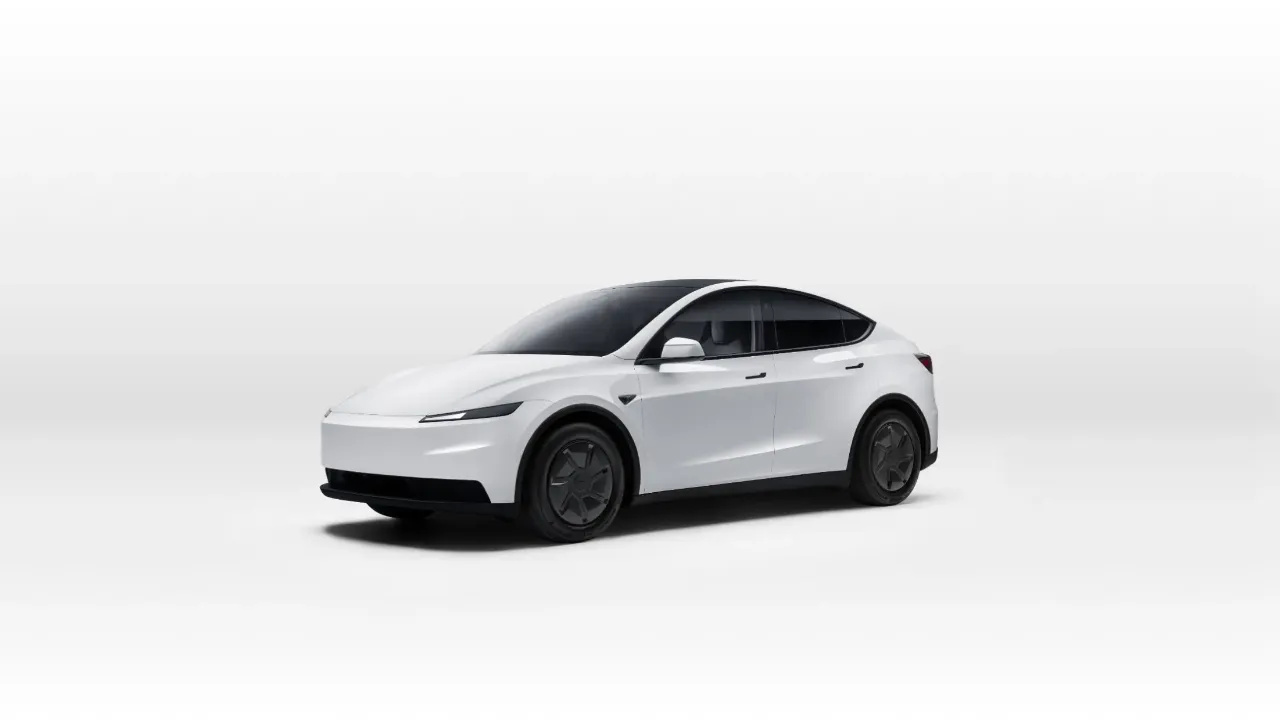
Visually, the Model Y Standard features a slight redesign, with new bumpers, simplified lights, and a panoramic roof with an inner lining that reduces costs without altering the glass structure. The interior has also been simplified, with fewer speakers, more basic materials, and the absence of a rear screen. The idea is to deliver the essentials, preserving Tesla’s identity, but with less luxury.
What Changes in Practice
Among the main cuts made by Tesla to make the Model Y Standard more accessible are changes that, while subtle, significantly reduce production costs. The absence of the Autosteer system, which kept the car centered in the lane, is one of the most notable — marking the first time a Tesla hits the market without this assisted driving function. Another curious cut is the elimination of the FM/AM radio, reinforcing the brand’s total focus on internet connectivity and streaming.
The interior has also been simplified: fabric seats, fewer speakers, and the lack of premium finish details indicate a bet on functional and minimalist materials. The panoramic roof has been retained, but now with a fixed inner lining that covers part of the glass to reduce thermal insulation and finishing costs. Meanwhile, the exterior design lost the light bar that connected the headlights, adopting a more conventional optical set. Finally, Tesla has limited free colors and reduced the size and variety of wheels, reinforcing the philosophy of an essentialist model focused on cost-effectiveness.
A More Aggressive Price
In the United States, the Model Y Standard arrives at a price approximately $5,000 lower than previous entry-level versions. This places it in a price range closer to competitors like Hyundai Ioniq 5, Chevrolet Equinox EV, and Ford Mustang Mach-E. Still, Tesla is not the cheapest in the category — and it is exactly this point that reinforces the impact of the “BYD effect.”
The Risks of the Move
By launching a cheaper version, Tesla faces some strategic risks. The first is the cannibalization of its more expensive versions: customers who planned to purchase a Model Y Long Range or Performance may switch to the Standard. The second is the dilution of the brand’s image, which has always been associated with innovation and a premium experience. Reducing equipment may cause discontent among the most loyal fans.
Another sensitive point is the final price in markets like Brazil. Even if the car arrives with reduced values, high import taxes and the absence of local production are expected to increase the product’s cost. In this scenario, the Model Y Standard may end up costing nearly the same as a BYD Han or Seal, which offer more features and local maintenance.
The BYD Effect and the New Direction of the Electric Market
The term “BYD Effect” summarizes what is happening in the global electric vehicle market. The Chinese automaker has changed the game by proving that it is possible to offer well-equipped electric vehicles with good range and affordable prices. This has forced traditional brands to reevaluate their strategies — and Tesla is the most recent example of this adaptation.
With the Model Y Standard, Tesla tries to preserve market share without fully betraying its value proposition. It is still an efficient, modern, and connected electric car, but now with a focus on volume. This marks the beginning of a new phase: less status, more pragmatism.
If Tesla decides to bring the Model Y Standard to Brazil, success will depend on a combination of factors: tax agreements, incentives for electric vehicles, and charging infrastructure. The growing presence of BYD in the country, with its own factory and established network, puts Elon Musk’s brand in a delicate position.
However, if Tesla can adjust its pricing strategy and explore the brand’s emotional appeal, the Model Y Standard may become a symbol of transition — the car that marked Tesla’s shift from aspirational company to global volume manufacturer.





I must say this article is extremely well written, insightful, and packed with valuable knowledge that shows the author’s deep expertise on the subject, and I truly appreciate the time and effort that has gone into creating such high-quality content because it is not only helpful but also inspiring for readers like me who are always looking for trustworthy resources online. Keep up the good work and write more. i am a follower.