






 Portuguese
  Spanish


Geological formation in the interior of Rio Grande do Norte preserves records of ancient volcanism, draws attention for its caatinga landscape, and brings together scientific, environmental, and tourist interest in a protected area.
In the interior of Rio Grande do Norte, Angicos is home to Pico do Cabugi, a geological formation associated with ancient volcanic processes and located on the margins of BR-304.
Surrounded by caatinga vegetation, the relief reaches about 590 meters in altitude and is pointed out by researchers as one of the best-known records of ancient volcanism in the state.
Despite being popularly called an extinct volcano, Cabugi is described by geologists as a preserved volcanic structure, formed from magma that solidified within an ancient conduit.
-
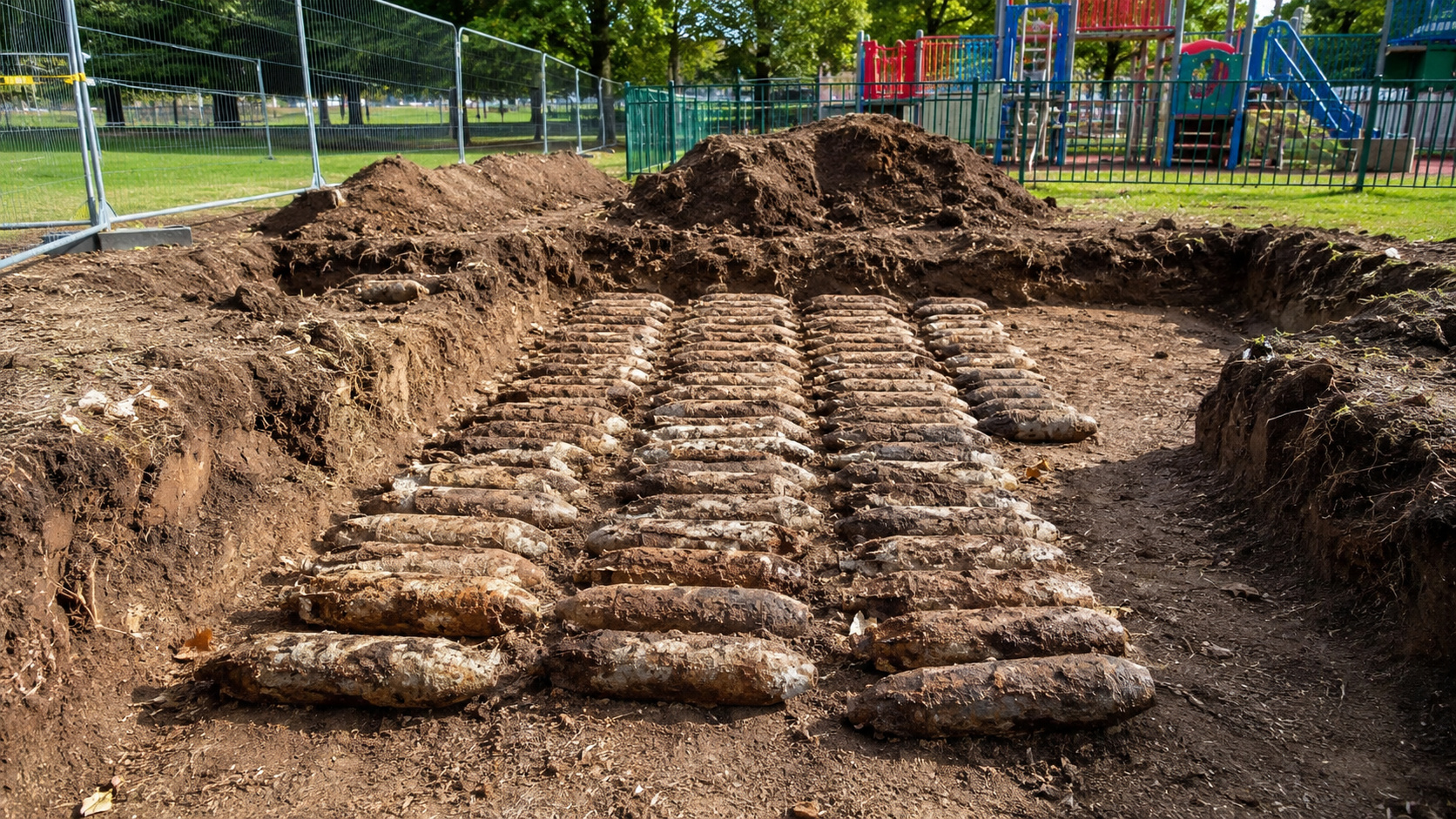
Workers renovating a playground in northern England uncover 176 World War II bombs buried underground; training artifacts still contained explosives.

-
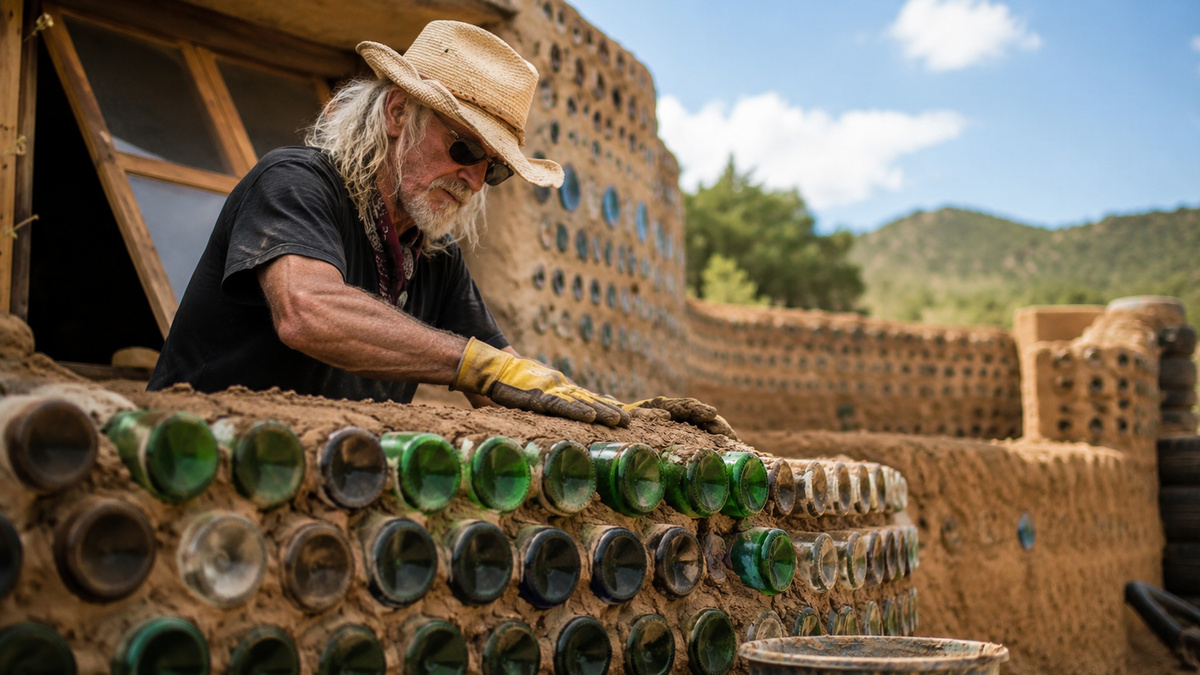
Brazilian Architect Transforms Waste into Sustainable Homes with Solar Power and Rainwater Systems for 40 Years

-
Security Guard Becomes Doctor at Louisiana Hospital Where He Once Worked, Studied Chemistry Between Shifts

-
Woman Rescued from Luxury Complex in Brazil Worked Without Pay for 55 Years, May Be Entitled to Over $300,000


In technical terminology, it is a volcanic neck or plug, that is, the hardened portion of rock that remained in the path where magma would rise towards the surface.
“It is a volcanic formation, corresponding to the neck, the passage through which magma rises from a volcano, with rocks formed about 25 million years ago,” explains geologist Marcos Nascimento, a professor at the Federal University of Rio Grande do Norte (UFRN).
Pico do Cabugi preserves rocks of volcanic origin
The composition of Pico do Cabugi brings together rocks of volcanic origin and older crystalline basement formations.
In the central area, there is the presence of basalts, dark rocks formed from the cooling of magmatic material.
Around it, gneisses and pegmatites appear, classified, respectively, as metamorphic and igneous rocks.
According to Marcos Nascimento, this set of rocks helps explain the volcanic origin attributed to the formation.
“In the location, in addition to basalts, which are volcanic rocks, in its central portion, there is the presence of gneiss and pegmatite in relief around it, rocks of metamorphic and igneous nature,” states the researcher.
What is observed today, however, does not correspond to an active crater.
The conical shape seen by those passing by the highway results from prolonged geological processes, including erosion and collapse of lateral parts of the ancient structure.
This natural action helped expose the solidified rock that remained in the volcanic conduit.
Why Cabugi did not have explosive eruptions
Professor Zorano Sérgio de Souza, also from UFRN, states that Cabugi is linked to a type of non-explosive volcanism.
According to the geologist, the composition of the magma is one of the factors that differentiate this formation from volcanoes known for violent eruptions, such as Vesuvius in Italy.
“It is non-explosive volcanism; it did not have gases like Vesuvius, for example, and therefore never had an eruption,” says the geologist.
According to the professor’s explanation, the low proportion of gases and silica in the magma reduced the possibility of explosions.
Instead of violently breaking the surface, the material solidified inside the volcanic conduit.
“Cabugi did not explode because the magma solidified inside the volcanic edifice. It represents the ‘plug’ or ‘cork’ of solid rock that remained in the conduit connecting the magma chamber to the surface,” Souza details.
The technical explanation also helps differentiate the popular use of the word “volcano” from the description adopted by geology.
For the public, the shape of Cabugi evokes the classic image of a volcano.
For specialists, the preserved structure corresponds mainly to the hardened record of an ancient magmatic system.
Brazil currently has no active volcanoes
Pico do Cabugi poses no risk of eruption.
The Geological Survey of Brazil informs that the country does not have active volcanoes, although Brazilian territory has records of volcanic manifestations in ancient geological periods.
Brazil’s position within the South American Plate helps explain the absence of current volcanic activity.
Generally, active volcanoes are concentrated at the edges of tectonic plates, areas with greater geological instability.
As Brazilian territory is far from these zones, formations like Cabugi are treated as records of the geological past.
There are, however, differences in the references used to indicate the age of the formation.
Studies on Macau Magmatism, with which Cabugi is associated, mention events dated at approximately 25 million years.
Classic works on Pico do Cabugi also record an approximate dating of 19.7 million years for continental magmatism directly related to the peak.
Therefore, the most accurate way to present the information is to treat Cabugi as a volcanic formation millions of years old, linked to one of the most recent records of continental magmatism in Brazil.
The reference to 25 million years appears associated with the broader context of Macau Volcanism.
Pico do Cabugy Ecological Park protects caatinga area
Pico do Cabugi is part of the Pico do Cabugy Ecological Park, a state conservation unit created in 1988 by State Law nº 5.823.
According to the Institute for Sustainable Development and Environment of Rio Grande do Norte (Idema-RN), the unit has 625.98 hectares, in addition to a buffer zone of 2,302.95 hectares.
The area aims to protect the geological formation, fauna, flora, and caatinga vegetation.
Scientific research, environmental education, and controlled visitation activities are also foreseen, provided they are authorized and accompanied according to the conservation unit’s regulations.
Geographer Ilton Soares, from Idema-RN, states that erosion played an important role in the peak’s current appearance.
“This process resulted in a formation considered rare in Brazil. This is one of the unit’s great characteristics, which makes that place exuberant. It is an almost exclusive geological monument,” he states.
As it is a full protection unit, activities carried out in the park must follow preservation rules.
Enforcement is the responsibility of Idema, with the support of environmental and public security agencies.
Scientific research, technical visits, and tourist activities also depend on authorization from the institute.
Cabugi is part of the cultural landscape of Rio Grande do Norte
In addition to its geological interest, Cabugi is part of the cultural landscape of Rio Grande do Norte.
The peak is used as a visual reference in the ‘sertão potiguar’ and appears in accounts related to history, geography, and regional tourism.
The original text states that the name Cabugi comes from Tupi-Guarani and means “maiden’s breast,” in reference to the relief’s shape.
As no reliable confirmation was found in official or academic sources consulted, the information was removed from the main body of the article.
There are also records that the formation was once called Serra de Itaretama, but the meaning attributed to this name requires the same caution.
For those traveling along BR-304, Pico do Cabugi is a landmark in the semi-arid landscape.
For researchers, the formation serves as an area of study on ancient volcanic processes, erosion, and the evolution of the relief in the Brazilian Northeast.
Between the popular denomination of an extinct volcano and the technical description of a volcanic neck, Cabugi remains one of the most well-known geological formations in Rio Grande do Norte.


