Portuguese
  Spanish


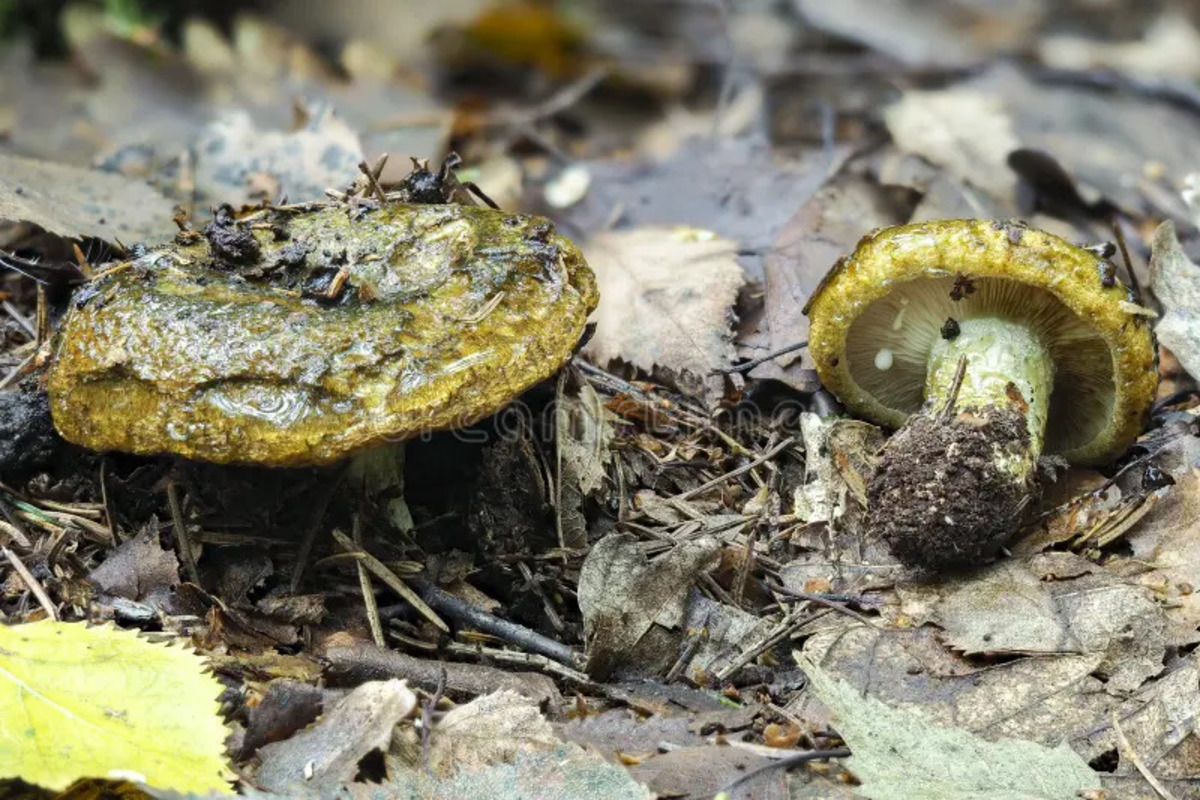

Fatal Fungi Are Gaining Strength With Global Warming. Understand How This Nature Threat Can Affect The Whole World — Including You.
Fatal fungi that were once restricted to warm regions are now poised to invade new areas of the world.
According to scientists from the University of Manchester in the UK, the rise in global temperature is making previously cold regions — such as parts of Europe — more favorable for the proliferation of these dangerous organisms.
One of the most concerning is a species from the genus Aspergillus, which already affects millions of people annually.
-
She spent 73 years breathing inside an iron lung, survived the aftereffects of polio, and became the last woman in the United States dependent on the equipment before dying at 78 years old.

-
Brazilian students created a $1 filter using pine bark, cotton, and 3D-printed parts to clean cassava wastewater, reduce the toxicity of a hazardous waste, and transform contaminated water into biofertilizer.

-
Astronaut from Artemis II steps down after mission to the Moon and decision surprises after a record of 406,771 km, a historic 10-day journey, and an unprecedented achievement for Canada.

-
A fossil kept for years in a small museum in Montreal concealed 450-million-year-old soft tissue, a discovery that has only happened once before in history.


This alert has gained prominence in recent months, especially after the success of the series The Last of Us, which popularized the fear of fungi that attack the brain. Despite the exaggeration of fiction, experts in biology and infectious diseases say the real risk is not as distant as it seems.
An Invisible, But Growing Threat
The threat of fatal fungi is mainly associated with climate change. As the planet gets warmer, fungi that could not survive in cold regions now find ideal conditions to spread.
Global warming is therefore acting as a catalyst for these organisms to reach more people and in unexpected places.
Professor Adilia Warris from the University of Exeter highlights that “fungal diseases are on the rise and represent a growing risk to human health”. According to her, we are unprepared to deal with these new scenarios, as fungi do not receive the same attention as bacteria or viruses.
How Fungi Attack The Human Body
Fatal fungi can enter the human body in various ways. Feet, for example, are an ideal environment as they are dark, moist, and often humid — perfect conditions for proliferation. Cracks in the skin serve as gateways for fungal spores.
But the greatest risk comes from inhaling spores, especially in urban environments. Mold-type fungi, when they enter the lungs of immunocompromised individuals, can cause severe lung infections.
The spores settle in lung tissue and form structures similar to moldy bread, making breathing difficult and, in some cases, leading to death.
Additionally, another group of dangerous fungi lives within our own organism. Yeasts, such as Candida albicans, are part of the normal flora but can become pathogenic when the immune system is weakened, causing severe infections in vulnerable patients.
The Role Of Biology And Genetics In The Fight Against Fungi
Modern biology has been crucial for understanding how these fungi operate. Researchers are investigating the genetic mechanisms that make these species so resistant and lethal.
The accelerated evolution of fungi in warmer environments, for example, allows them to acquire resistance to antifungal medications.
Furthermore, genetic mapping is being used to identify the most vulnerable individuals and predict outbreaks. As global warming intensifies, understanding the behavior of these organisms has become a global public health issue.
From Fictional Plot To Scientific Reality
The apocalyptic scenario of The Last of Us may seem exaggerated, but it serves as a warning. The series sparked debates about the destructive potential of fungi as a biological weapon or natural threat. The difference, of course, lies in the scale.
In the real world, fungi do not turn humans into zombies but can cause silent and progressive deaths — especially among already weakened patients.
Adilia Warris explains that “the risk is not in cinematic panic, but in the real negligence regarding fungal diseases”. The lack of investment in treatments, rapid diagnostics, and prevention campaigns puts millions of lives at risk.
Fungi, Health, And The Future Of The Planet
To contain this new threat from nature, scientists advocate for an integrated approach: continuous monitoring of emerging strains, the creation of new antifungal medications, and public awareness of hygiene and respiratory health habits.
Human health, in this context, is increasingly connected to the global environment. As the climate changes, the behavior of fungi also changes — and what was once only a tropical concern is now a global reality.
Biology is racing against time to understand and contain this advance. After all, the invisible fight against fatal fungi may be one of the most important battles of the 21st century.