





 Portuguese
  English
  Spanish
  3 min of reading
  0 comments


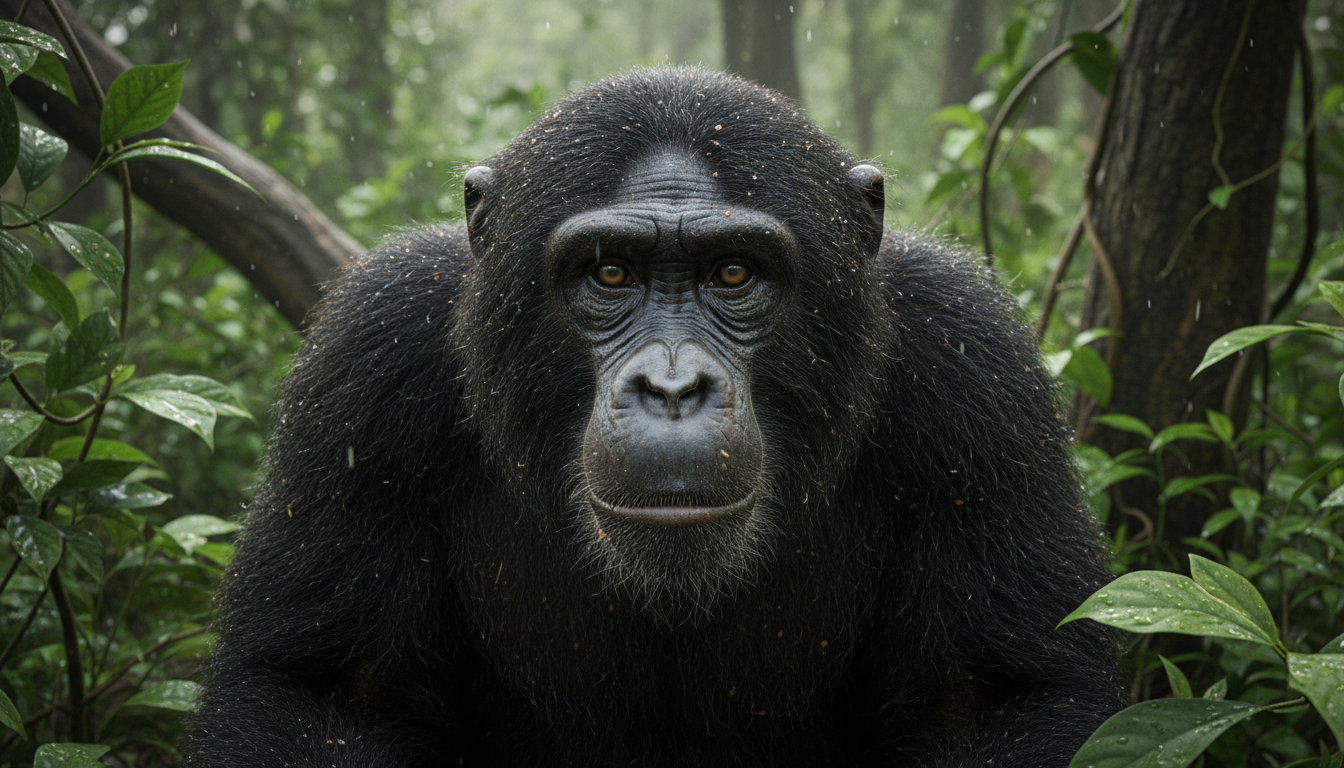
The primate that science called peaceful for decades has proven to be as aggressive as the chimpanzee in a new study that analyzed thousands of hours of footage in the forests of Congo and shattered one of the biggest myths in primatology
For decades, bonobos have been celebrated as the “hippies” of the animal kingdom. Peaceful, loving, they resolved conflicts with sex. This image has just been shattered by science.
A study published in March 2026 analyzed thousands of hours of footage of bonobos and chimpanzees in the forests of the Democratic Republic of Congo. The surprising result: bonobos are as aggressive as chimpanzees.
The researchers documented behaviors that contradict everything that was taught about the species. Violent attacks, disputes for hierarchy, and physical aggression occur with similar frequency.
-
Xiaomi’s electric sedan traveled 4,264 kilometers in 24 hours non-stop on a track in China and set the world record for endurance for mass-produced electric cars.

-
Scientists reveal progress with batteries made from sunflower seeds that could reduce environmental impacts and spark global interest in a new generation of sustainable energy.

-
With over 3,000 horsepower and 472 km/h in Germany, the Chinese electric supercar from BYD has become the fastest electric car in the world, surpassing the Rimac Nevera by 60 km/h.

-
Artemis 2 sets a record by communicating with the International Space Station (ISS) at nearly 374,000 km from Earth.

The difference is that bonobo aggression manifests in less obvious ways to human observers. Grabbing hands, quick bites, and chases replace the loud battles of chimpanzees.
The violence that no one saw: why scientists took decades to realize
The myth of the peaceful bonobo emerged in the 1990s when early studies in captivity showed frequent sexual behavior as a way to resolve conflicts.

The problem is that bonobos in captivity behave radically differently from their wild counterparts. In zoos, the lack of space and resources eliminates many triggers for aggression.
Moreover, researching bonobos in the wild is extremely difficult. They live in the dense forests of Congo, one of the most inaccessible regions on the planet.
The new study is one of the first with robust field data. The cameras captured behaviors that decades of direct human observation failed to record.
Bonobo versus chimpanzee: aggression is similar, but the strategy is different

Chimpanzees are famous for explicit violence: battles between groups, infanticide, and coordinated hunts. Bonobos practice more subtle aggression.
Male bonobos use coalitions with dominant females to intimidate rivals. The aggression is more political and less physical, but equally effective.
As reported by Revista Oeste, the study forces primatology to reevaluate the narrative of the “primate of peace.”
The rate of aggression per hour of observation is statistically comparable between the two species. What changes is the form, not the frequency.
What this means for the debate about human nature

Bonobos and chimpanzees are the closest living relatives of humans. Both share over 98% of human DNA.
The previous narrative suggested that humans could choose between the “chimpanzee” (aggressive) model and the “bonobo” (peaceful) model. Now, both are aggressive — just with different strategies.
However, researchers caution that the data comes from specific populations. Regional variations exist, and more field studies are needed for generalizations.
The discovery does not diminish the importance of bonobos for conservation — it only shatters a convenient myth that science constructed and popular culture amplified for decades.







Seja o primeiro a reagir!