






 Portuguese
  Spanish


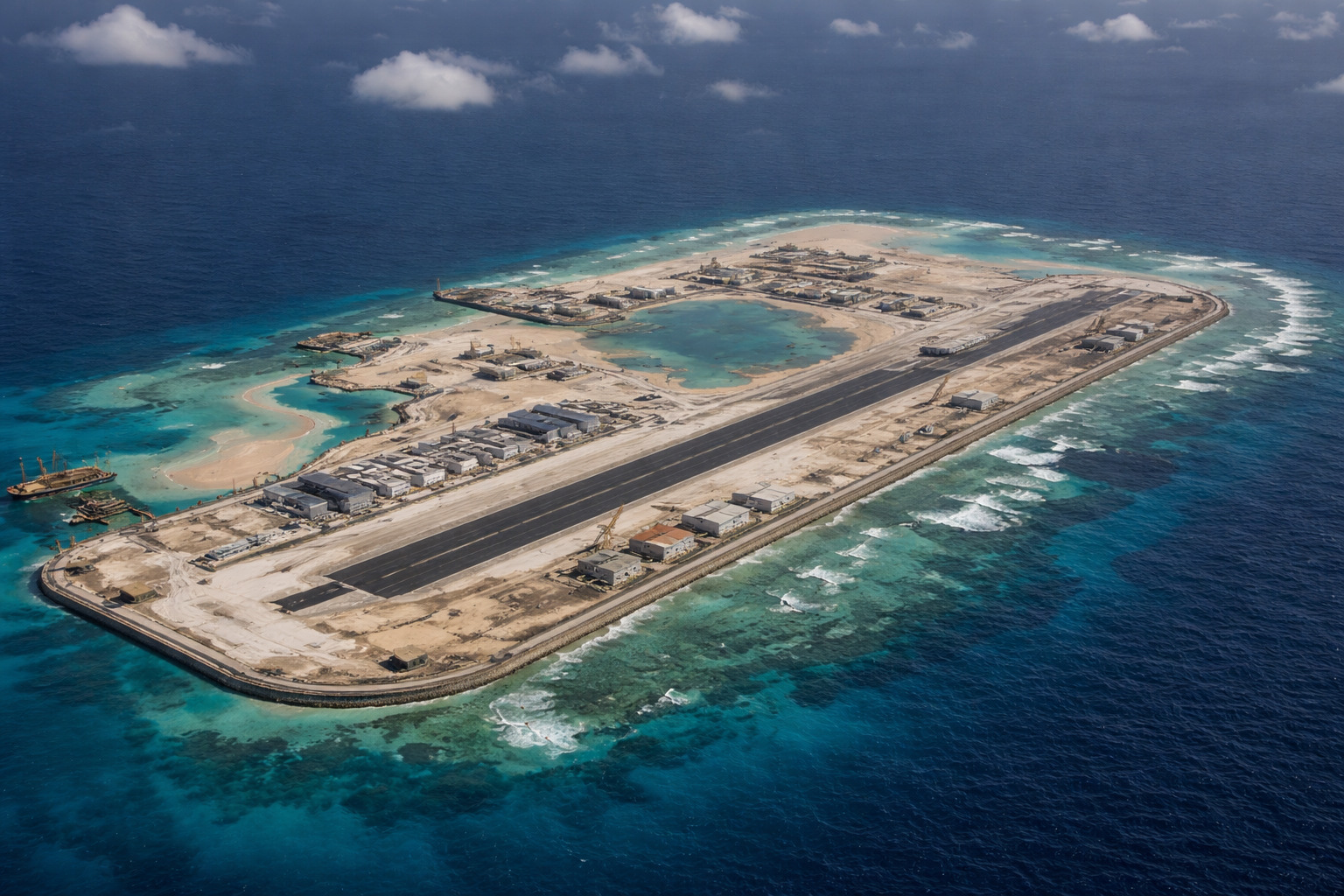
China transforms Antelope Reef into artificial island with infrastructure, fortified perimeters, and military potential, expanding maritime control in the South China Sea without confrontation
China expanded Antelope Reef in the South China Sea during the crisis in the Middle East, transforming a sandbank into an artificial island with infrastructure, fortified perimeters, and military potential, in a move that altered the regional balance without direct confrontation.
Silent advance amid global distraction
While international attention was focused on the crisis in the Middle East, China executed a strategic action in the South China Sea quietly, but with concrete effects on the maritime dispute in the region.
The operation transformed an almost invisible reef on the map into a new piece of its maritime control network.
-
European Parliament Approves Digital Euro, Aiming to Challenge Visa and Mastercard’s Dominance and Transform Payments Across Europe by 2029

-
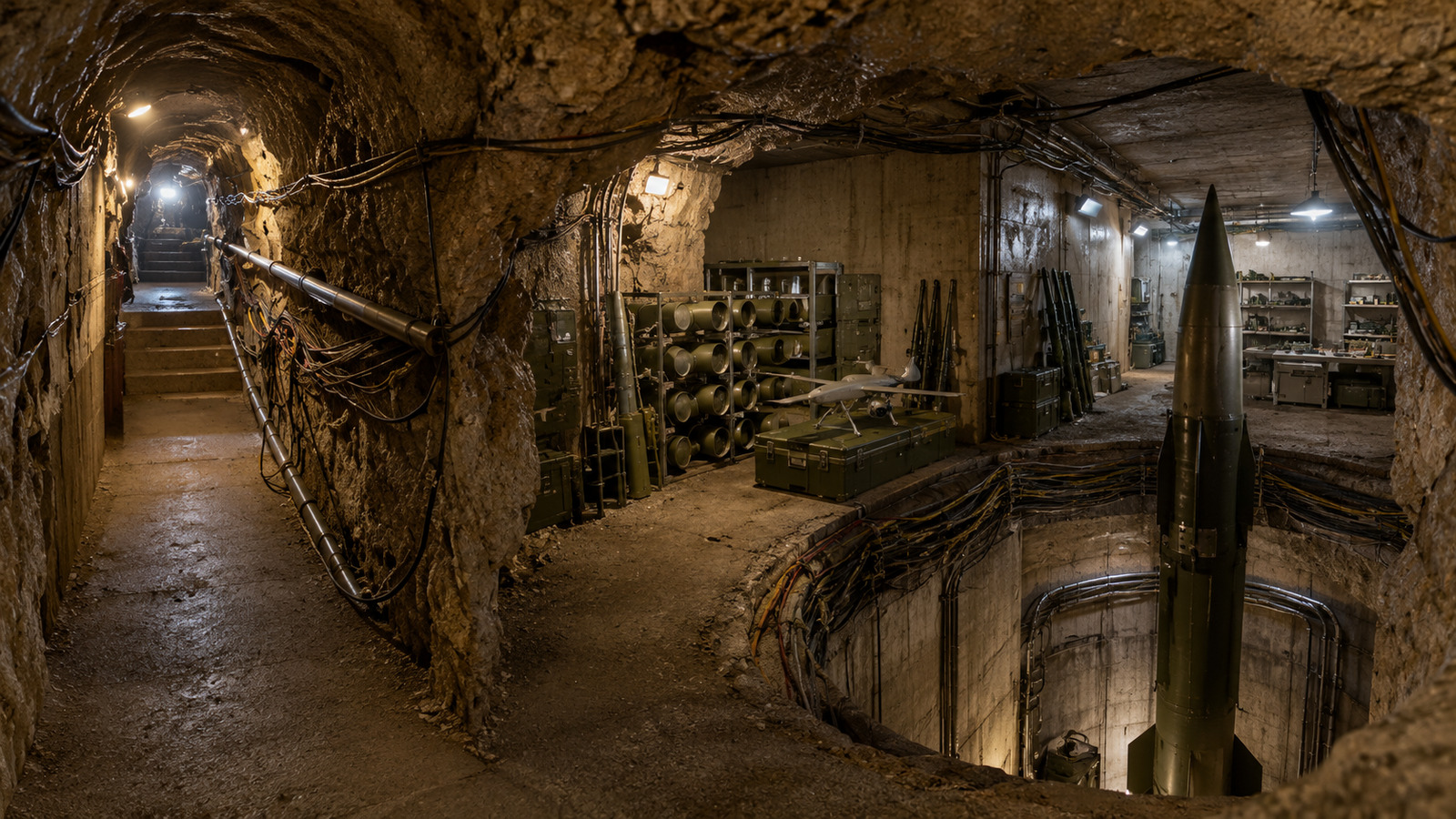
Israel finds Hezbollah militarized tunnel over 200 meters long under village, with 4 missile launch shafts, 12 chambers, anti-tank missiles, drones, and weapons depots at a depth of 25 meters.

-
Ukraine launches largest drone attack on Moscow since 2022, Russia claims to have intercepted nearly 200 aircraft near the capital, Kapotnya refinery targeted again, and offensive reignites alert about war reaching the Russian energy heart just a few kilometers from the Kremlin.

-
Truck drivers, freight, and fines from 2022 take center stage in politics: Chamber approves MP with amnesty, mandatory tracking by CIOT, million-dollar penalties, and new minimum wage for those who spend more than 24 hours on the road.



Without direct use of military force, the country advanced over the territory and consolidated a fait accompli.
The delay in reaction from countries like Vietnam and the initial silence of the international community opened space for the artificial island to advance almost without opposition, even before the international debate gained momentum.
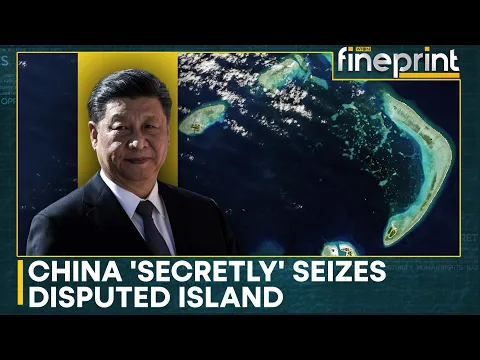

Accelerated construction changed the terrain
Satellite images showed the speed of the works at Antelope Reef. Dozens of dredgers operated in a coordinated manner to create square kilometers of land in just a few months.
What was a sandbank has become an expanding platform, with visible infrastructure, fortified perimeters, and space to accommodate much more complex facilities in the next stages of the project.
The pace of construction exposed an extraordinary industrial and logistical capacity. More than just expanding physical presence, China altered the terrain of the conflict before other actors had time to react.
This speed reinforced the ambition of the project and demonstrated how the artificial island can be used to expand control over a strategic area without relying on open confrontation or traditional military mobilization.
Legal dispute runs parallel to the advance
The physical expansion was accompanied by a strategy based on the reinterpretation of international law.
The construction began to be presented as an internal matter, in a narrative of civil development.
However, within the United Nations Convention on the Law of the Sea, this type of construction does not create new sovereign rights. This places the project in a controversial and legally ambiguous area.
Even so, the combination of already established facts and legal arguments has allowed Beijing to advance without direct confrontation, taking the dispute into the diplomatic, legal, and narrative arenas.
Legality, in this case, appeared as a tool of action rather than an effective limit. The movement helped reduce the immediate political cost of expansion in a sensitive area.
Military use appears from the beginning
Unlike previous phases, when China denied the militarization of its artificial islands, the current development indicates military use from the outset of the project at Antelope Reef.
The dimensions of the land allow for the construction of runways to operate advanced fighter jets. They also pave the way for radars, missile systems, and surveillance networks within a broader structure.
More than an isolated base, the new artificial island emerges as a connection hub between ports, maritime militias, and intelligence capabilities, reinforcing control over one of the planet’s most strategic routes.
New regional balance in the Pacific
The result is a silent but profound change in the regional balance. Each new structure enhances China’s capacity to monitor, deter, and project power without resorting to open confrontations.
These cumulative and discreet movements consolidate advantages that only become fully visible when they have already become difficult to reverse.
While the global focus has shifted direction, China has continued to redraw the regional map in its favor.
With information from Xataka.






Be the first to react!