






 Portuguese
  Spanish


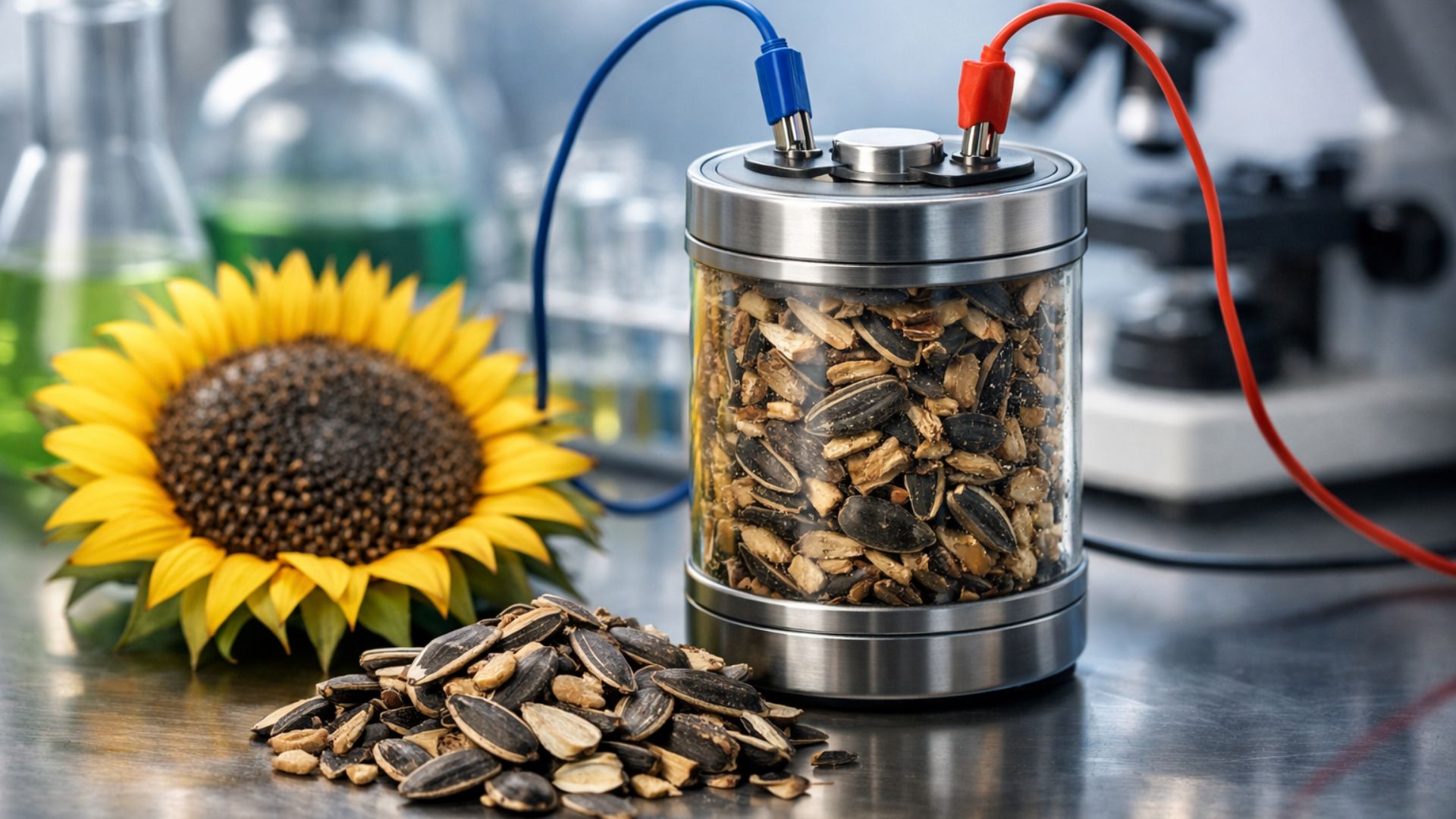

Researchers develop batteries from sunflower seeds that can reduce lithium dependence, recycle agricultural waste, and advance sustainable energy solutions with less environmental impact
European scientists are making progress on an unexpected alternative to traditional lithium batteries: devices that use sunflower seed waste to store energy with promising efficiency.
What began as an experiment with agricultural biomass now points to a potential breakthrough in the sustainable energy sector, with a direct impact on material availability and the environment.
According to a publication from the website Inovação Tecnológica, behind this advancement, there is a broader movement seeking to reduce dependence on critical minerals and rethink the technological basis of global electrification.
-
Queen Guitarist Brian May Collaborates with ESA Scientists to Study Asteroids Bennu and Ryugu Using 3D Simulations

-
Largest Known Single-Piece Meteorite, Weighing 60 Tons, Puzzles Scientists with Its Intact Fall and Lack of Visible Crater

-
Oceanographer Turns Abandoned Fishing Nets from Brazilian Waters into Bags, Creating Jobs and Earning Over $7,000 Monthly

-
Australia deploys poisoned sausages and uses traps, shooting, and fences in a battle against invasive cats that kill over 1.5 billion native animals annually, threatening more than 200 species.




Pressure on lithium drives new technological routes
The accelerated growth of electric vehicles, storage systems, and smart grids has placed lithium at the center of the energy transition. At the same time, the geographical concentration of this resource and the environmental impacts of mining have increased the pressure for alternatives.
In this scenario, scientists from the University of the Basque Country in Spain decided to explore out-of-the-box solutions. Instead of seeking new minerals, they turned to widely available organic waste. The central idea was simple: transform what is discarded into a functional resource.
This contrast is one of the most relevant points of the study. While the traditional model relies on intensive extraction, the new approach uses materials that are already circulating in the economy, such as sunflower seed husks, which are usually treated as waste with no industrial value.
How sunflower seed batteries work in practice
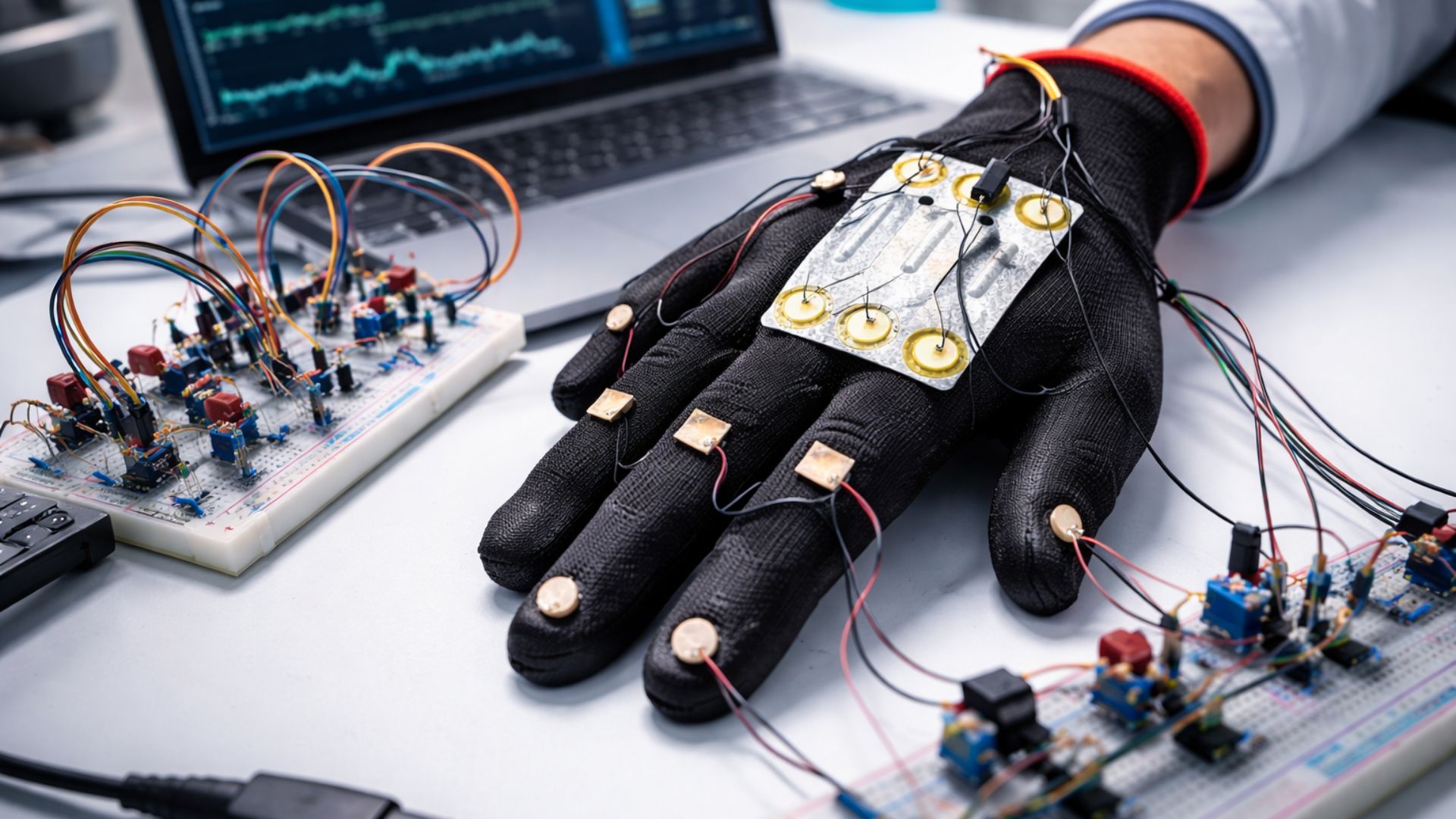
Every battery depends on three fundamental components: cathode, anode, and electrolyte. It is the movement of ions between these elements that generates electricity. In the case of the new batteries, researchers focused on the anode, which is responsible for storing and releasing electrons during operation.
To this end, different types of biomass were tested. Among the materials evaluated were:
- Coffee grounds
- Stems of plants and shrubs
- Grape waste and corn cobs
- Diverse organic compounds
After a series of experiments, the scientists identified that carbon obtained from sunflower seed husks exhibited superior performance. This material then underwent optimization processes until it reached suitable characteristics for use in rechargeable batteries.
The resulting anode was combined with different cathodes containing iron, titanium, and vanadium, elements that are less critical and used in smaller quantities. This combination allowed for the creation of functional prototypes with consistent performance in the laboratory.
Battery performance reveals competitive data
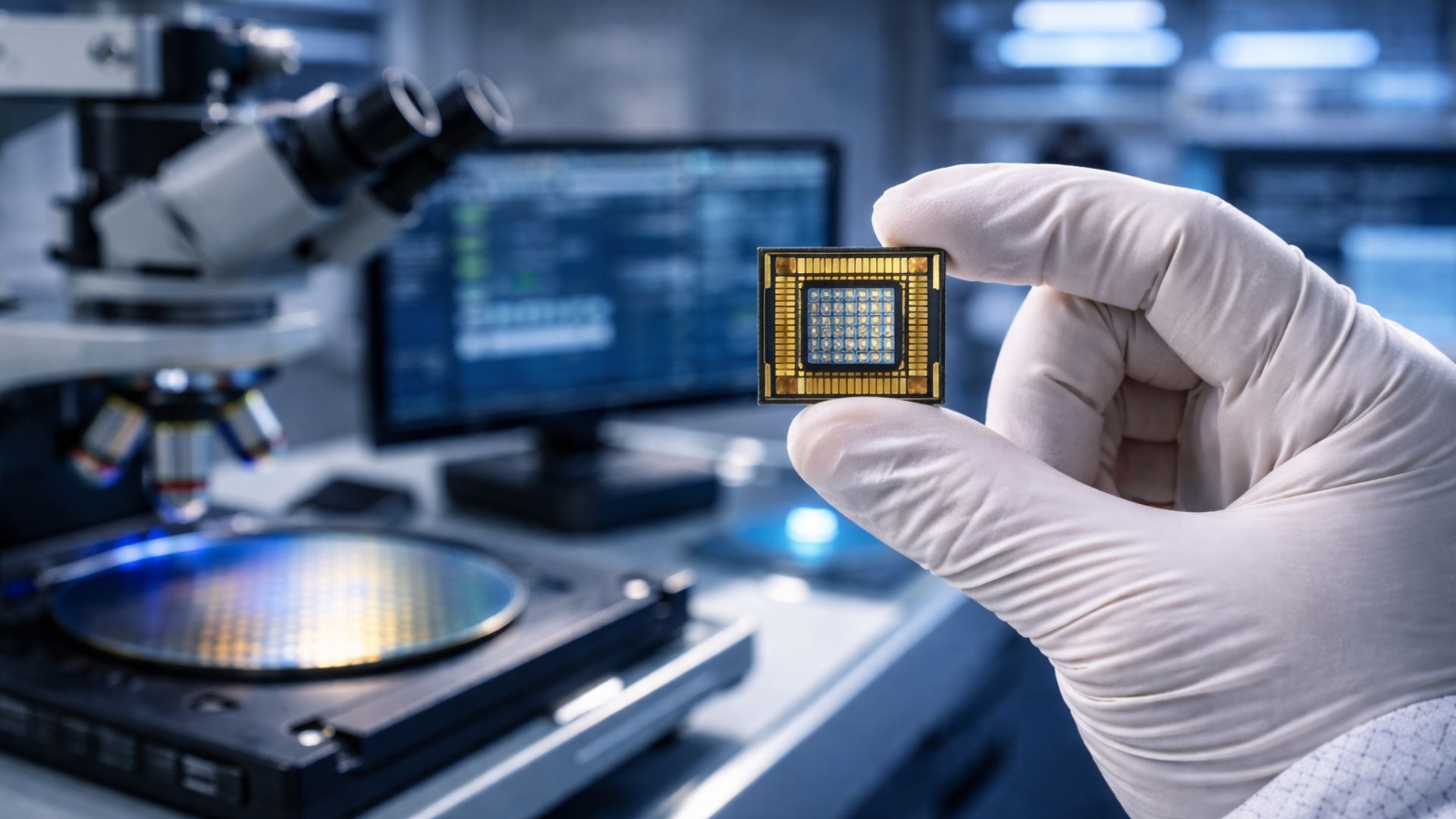
The results obtained draw attention within the field of emerging technologies. The batteries developed with sunflower seed showed stability over time and good capacity retention.
In the tests conducted, the following indicators were observed:
- Retention of 91% of the initial capacity after 200 cycles
- Discharge capacity of 105 mAh/g at 130 mA/g
- Potential to reach up to 1,000 cycles under optimized conditions
These numbers indicate that, even in the early stage, the technology already shows relevant performance for certain applications. Furthermore, the consistency of the results suggests that there is room for evolution with engineering adjustments and scaling.
Another important point was the analysis of the life cycle. The researchers evaluated not only the performance but also the environmental impact of each combination of materials. The batteries based on sunflower seed once again stood out, showing a lower impact compared to other tested alternatives.
Sustainable energy gains strength with the use of biomass
The use of biomass as a basis for batteries is directly connected to the principles of sustainable energy. Instead of extracting new resources, the proposal is to reuse already available materials, reducing waste and environmental impacts.
This model brings clear advantages:
- Less dependence on intensive mining
- Reduction of agricultural waste
- Possibility of more decentralized production
- Integration with existing production chains
In regions with strong agricultural production, the use of waste as raw material can create new economic dynamics. What was once discarded now has strategic value, expanding opportunities for different sectors.
The role of sodium in the substitution of lithium
Another central element of the study is the use of sodium-ion based systems. Unlike lithium, sodium is widely available and can be obtained from abundant sources, such as seawater.
Sodium batteries have been studied as an alternative due to their structural advantages:
- Greater global availability
- Potentially lower costs
- Less geopolitical dependence
By combining sodium with biomass-derived materials, scientists create a hybrid approach that seeks to balance performance, cost, and sustainability. This strategy expands application possibilities and reduces risks associated with dependence on a single type of technology.

Global Economic and Environmental Impacts
The adoption of batteries based on agricultural waste can bring significant changes to the production chain. The impact is not limited to the energy sector but extends to agriculture, industry, and waste management.
Among the main expected effects are:
- Reduction of production costs in the long term
- Decrease in pressure on mineral resources
- Stimulus to the circular economy
- New opportunities for agricultural regions
Moreover, the diversification of technologies can make the energy system more resilient. Instead of relying exclusively on lithium, different solutions can be applied according to need and context.
Current Limitations and the Path to Market
Despite advancements, the technology still faces significant challenges. The prototypes developed so far are small, similar to button-type batteries, which limits their immediate application.
Another relevant factor is cost. Although the raw material is abundant, the process of transforming biomass into functional carbon still requires optimization to become competitive on an industrial scale.
Scientists are already working on the development of larger and more robust versions capable of meeting more demanding needs. This process involves not only technical adjustments but also durability, safety, and integration testing with existing systems.
Between Waste and Innovation: What Changes in the Logic of Batteries
One of the most striking aspects of this advancement is the change in perception regarding waste. Materials previously ignored are now seen as valuable components for cutting-edge technologies.
In the case of sunflower seed batteries, this transformation is evident. What was discarded gains a new function, integrating into a production chain focused on sustainable energy.
This logic aligns with circular economy models, where waste is reduced and resources are continuously reused. More than a technical innovation, it represents a paradigm shift.
Why This Discovery Gains Global Attention Now
The growing interest in alternative solutions to lithium is not coincidental. The demand for energy storage continues to expand, driven by decarbonization policies and the electrification of various sectors.
In this context, advances such as the use of sunflower seed in batteries gain relevance by offering complementary pathways. They do not immediately replace existing technologies but broaden the range of possibilities.
The data already obtained — such as 91% retention after 200 cycles and potential for up to 1,000 cycles — show that the technology is not just theoretical. There is concrete evidence of viability, albeit in the early stages.
What is emerging is a more diverse scenario, where different solutions coexist and adapt to specific needs. In this landscape, the ability to innovate with simple materials may become a decisive differentiator for the future of sustainable energy.


