






 Portuguese
  Spanish


The USS Idaho (SSN-799) has been officially commissioned into the U.S. Navy as the 26th submarine of the Virginia class. Learn more about its technology and mission.
The U.S. underwater defense strategy reached a new level last Saturday, April 25, 2026, with the commissioning of the USS Idaho (SSN-799). In a solemn ceremony at the Naval Submarine Base New London in Groton, Connecticut, the vessel was officially integrated into the U.S. Navy, becoming the 26th example of the Virginia class.
The new attack nuclear submarine arrives to serve as a centerpiece in the modernization of the fleet, with a special focus on intelligence gathering and power projection in contested waters, enhancing military readiness in a high-competition global scenario.
USS Idaho Submarine: Nuclear technology and operational versatility
The USS Idaho was designed to be a multifunctional platform, capable of operating with the same efficiency in shallow coastal waters or in open sea. Weighing about 7,800 tons, 115 meters long, and 10.4 meters wide, the ship uses an advanced nuclear reactor that eliminates the need for refueling throughout its expected operational life.
-
U.S. Air Force Launches Air-to-Air Missile Project with Range of Up to 1,850 km for Indo-Pacific Operations

-
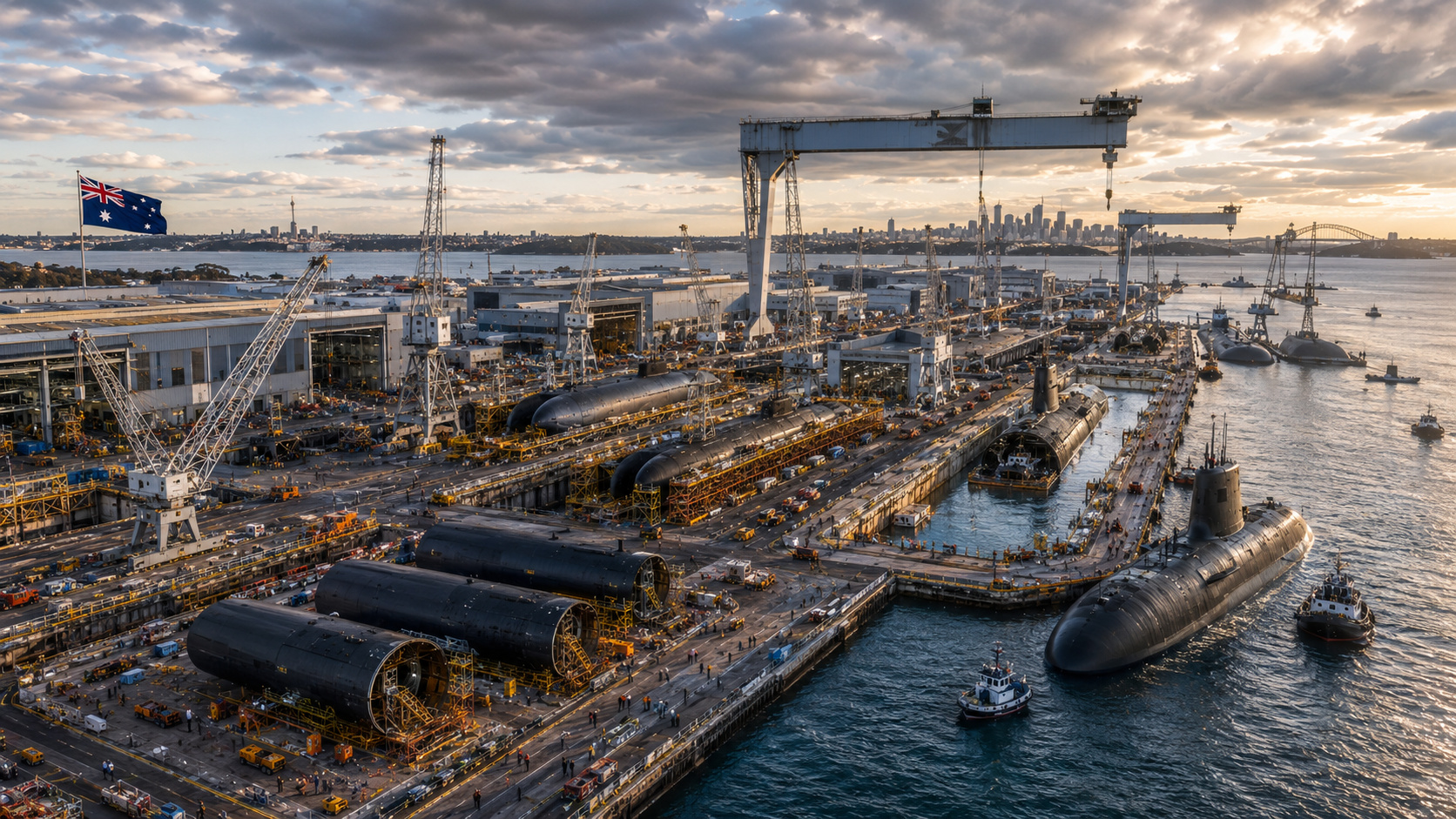
Australia to Deploy Up to 8 Nuclear-Powered Submarines in Indo-Pacific, Establishes Billion-Dollar Naval Chain Through AUKUS, Joining Elite Group Capable of Extended Underwater Missions

-
Indonesia Begins Construction of 2,000-Ton Scorpène Stealth Submarines with Advanced Weaponry and French Steel

-
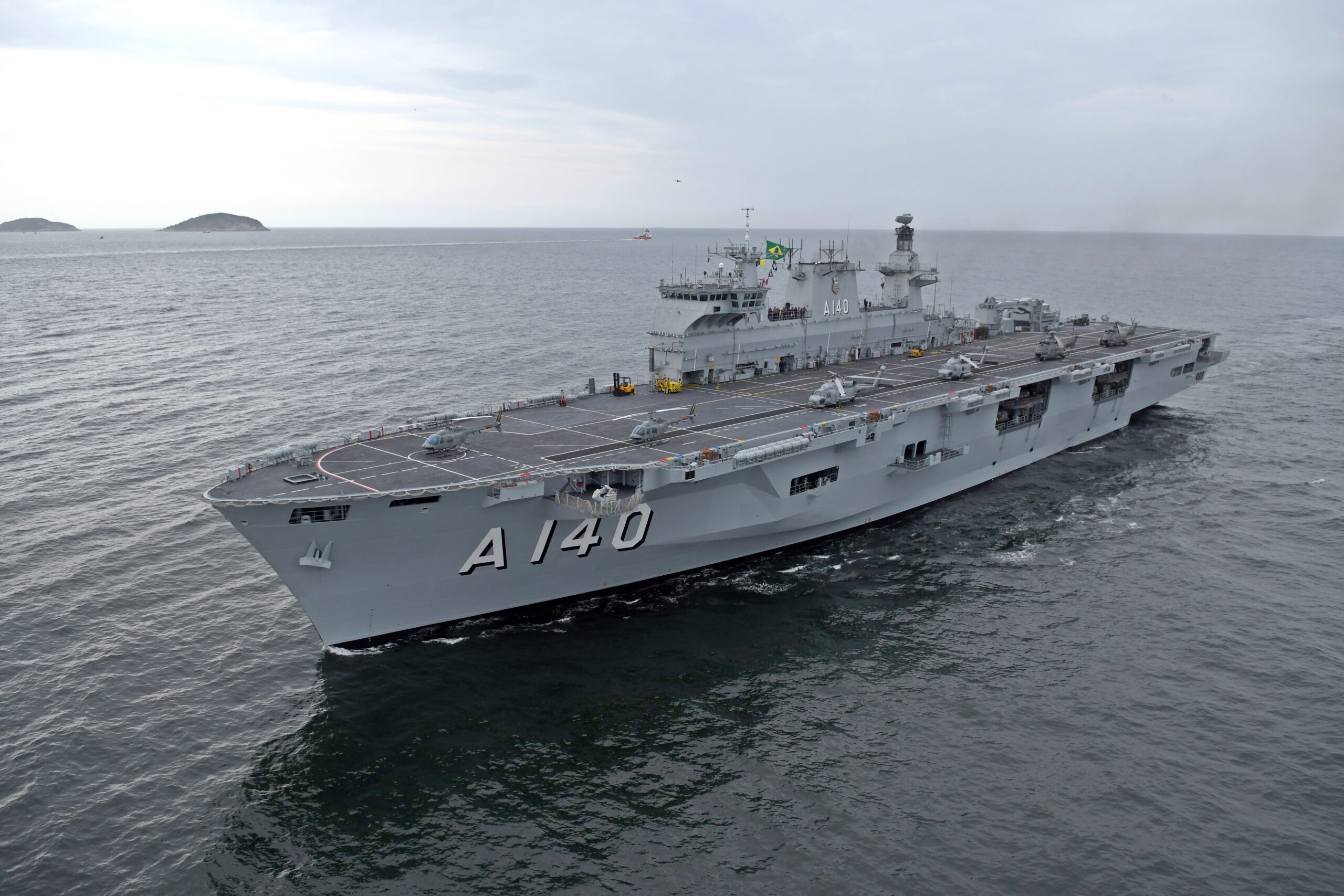
Brazil’s Largest Navy Ship, NAM Atlântico, Transforms into Field Hospital During National Crises



This autonomy allows the U.S. Navy to maintain prolonged and discreet patrols anywhere in the world.
The structure of the SSN-799 allows for the execution of various strategic missions:
- Surveillance and Reconnaissance: Monitoring sensitive areas without detection.
- Land Attack: Ability to strike land targets with high precision.
- Anti-Submarine Warfare: Systems focused on neutralizing other submerged threats.
- Support for Special Operations: Structure for transporting and launching elite forces.

A historic and industrial milestone
The construction of the USS Idaho is the result of an industrial collaboration between General Dynamics Electric Boat and HII-Newport News Shipbuilding. Launched in March 2024, it is the 14th model delivered by Electric Boat under this production arrangement and the eighth of the so-called Block IV of the Virginia class.
Furthermore, the name of the vessel revives a historical tradition, being the fifth ship of the naval force to honor the state of Idaho — the last was the battleship BB-42, a veteran of World War II.
Meanwhile, the incorporation of this unit strengthens the United States’ “Future Fleet” vision. In areas of increasing tension, such as the Indo-Pacific, the presence of a submarine with such technological capabilities ensures a silent tactical advantage. The delivery of the ship symbolizes not only the advancement of naval engineering but also the maintenance of the backbone of the Navy’s strike force.
The strategic role of the USS Idaho at sea
The commissioning of the USS Idaho occurs at a time when undersea warfare is receiving heightened attention. Through its discreet projection capability, the ship serves as a fundamental deterrent element.
Therefore, each new unit of the Virginia class that enters service expands the U.S. Navy’s ability to gather data and respond to threats in real-time, even in hostile environments monitored by enemy radars.
Thus, the commissioning conducted in Connecticut concludes the manufacturing cycle and begins the operational life of one of the most modern assets of U.S. defense.

The Idaho submarine is now preparing for its future missions, carrying with it the cutting-edge technology necessary to ensure maritime sovereignty and the security of international waters for years to come. With its flag officially hoisted, the SSN-799 becomes the new silent guardian of the deep.
Source: Poder Naval


