





 Portuguese
  English
  Spanish
  2 min of reading
  0 comments


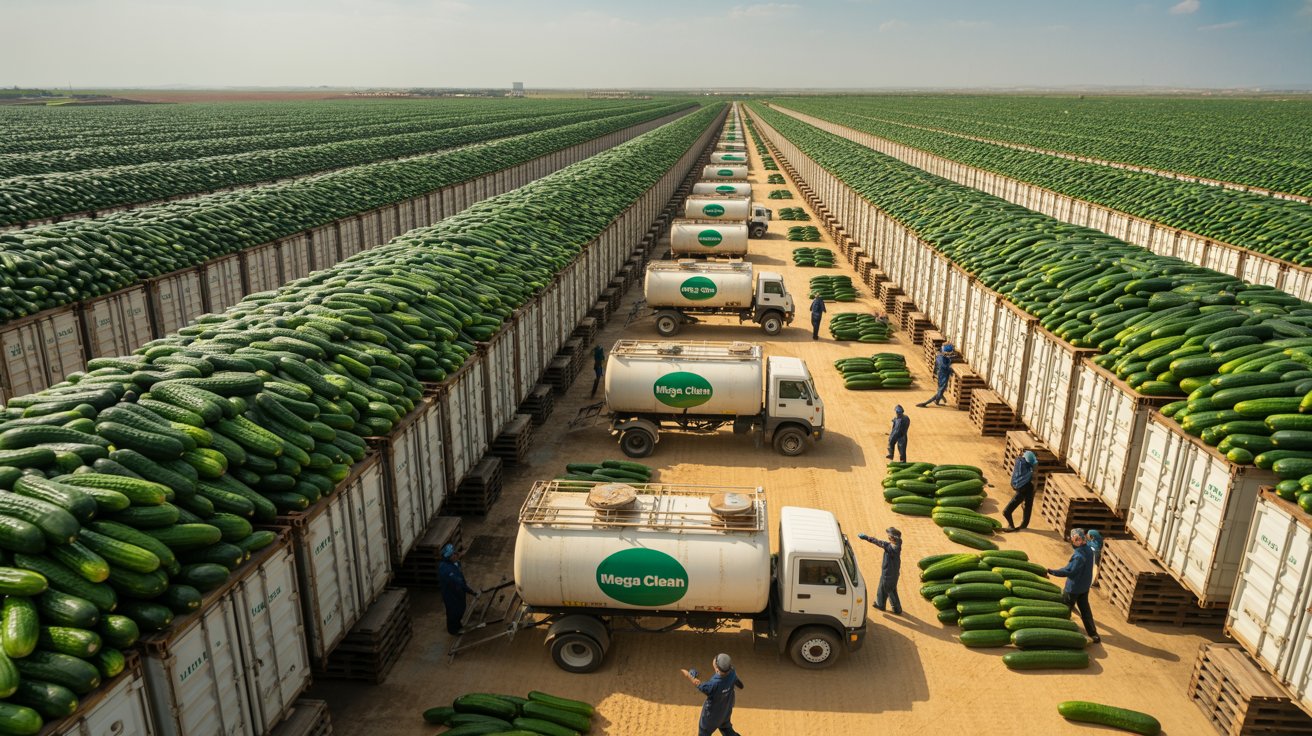
Specialized Cucumber Farms Start Pickle Production with Automated Planting, Bee Pollination, and Mechanical Harvesting, Using Cutting-Edge Technology to Increase Efficiency, Quality, and Productivity in the Global Market.
The pickling process, also known as cucumbers in brine, begins with precision planting. Modern machines deposit each seed at a specific depth in the soil, favoring the ideal development of the plants. Pollination is assisted by bees, kept close to the crops to maximize yield and ensure high-quality products.
After a few weeks, harvesting begins. Agricultural workers assisted by mobile structures protect themselves from the sun while collecting the grown cucumbers. At the same time, mechanized systems also come into play to speed up the work and reduce labor costs.
The harvests are then sent to washing and sorting centers. Each cucumber is manually inspected to eliminate fruits with imperfections or pesticide residues. Only the highest quality cucumbers proceed to the pickling stage, ensuring flavor and safety for the consumer.
-
Brazil’s beef exports could fall 10% in 2026 with China’s 55% tariff on volumes above the quota, and the president of Abiec admits that there is no market capable of replacing the main buyer.

-
With a 1,000-hectare farm valued at R$ 60 million, over 5,000 head of cattle, and a resort-like structure, a sertanejo singer transforms musical success into a millionaire empire in agribusiness.

-
The criminal investigation against JBS and Marfrig in the United States for suspected beef cartel has just added an item to the agenda of the meeting between Trump and Lula scheduled for Thursday, and the statements by the White House advisor against the Brazilian companies leave no doubt that the mood has changed.
-
With just over 12,000 inhabitants, Antônio Carlos is considered the Vegetable Capital of Santa Catarina and produces approximately 150,000 tons of vegetables per year on family farms of up to four hectares, according to data from the City Hall and Epagri.





The Secret of Brine and the Fermentation Process
At the heart of production are brining tanks—large reservoirs where cucumbers rest for weeks in an acidic and salty solution filled with spices. It is this combination of ingredients that gives the distinctive flavor and crunchy texture characteristic of pickles.
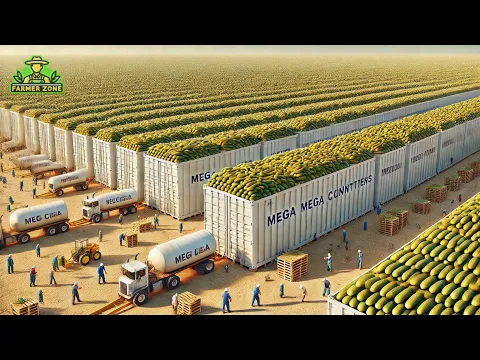

The fermentation duration varies between one to four weeks, depending on the manufacturer. After this period, lifting equipment carefully removes the matured pickles, which are then sliced or kept whole, depending on the desired type of pickle.
Automated Packaging Guarantees Preservation for Long Periods
Next, the pickles are mechanically packaged. The slices or whole units are placed in glass or plastic jars along with the preserving liquid. The hermetic sealing and temperature control allow the product to have a long shelf life.
During packaging, spices like dill, garlic, and pepper are added to vary the flavor. The use of cucumbers with skin also contributes to a higher dietary fiber content, promoting digestion and regulating the intestine, according to nutrition experts.
China Leads Global Cucumber and Pickle Production
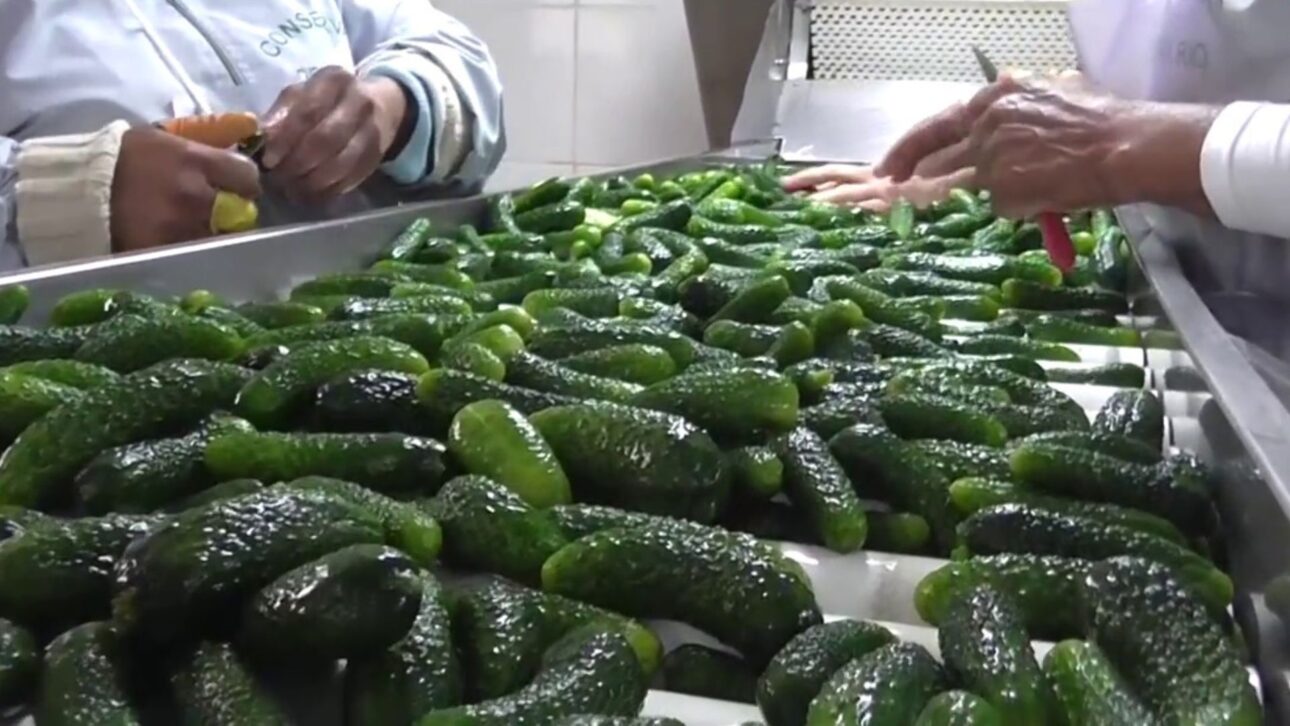
China is currently the world’s largest producer of cucumbers, with about 77 million tons per year. The efficiency of Chinese farms is due to the high level of agricultural mechanization and investment in advanced food technologies.
This information was disclosed by the channel “Farmer Zone,” in a video documenting the complete cycle of pickle production, from sowing to packaging, highlighting the complexity behind what seems like a simple food.






-

-

3 people reacted to this.