






 Portuguese
  Spanish


Understand why legislation restricts LED bulbs in halogen headlights and what technical requirements may allow this change
Brazilian legislation still restricts the installation of LED headlights in vehicles that came from the factory with halogen bulbs.
The Resolution No. 970/2022 of the National Traffic Council, Contran, prohibits components with different power or technology from the originals.
A project approved by the Chamber’s Transport and Traffic Commission, however, intends to relax this rule.
-
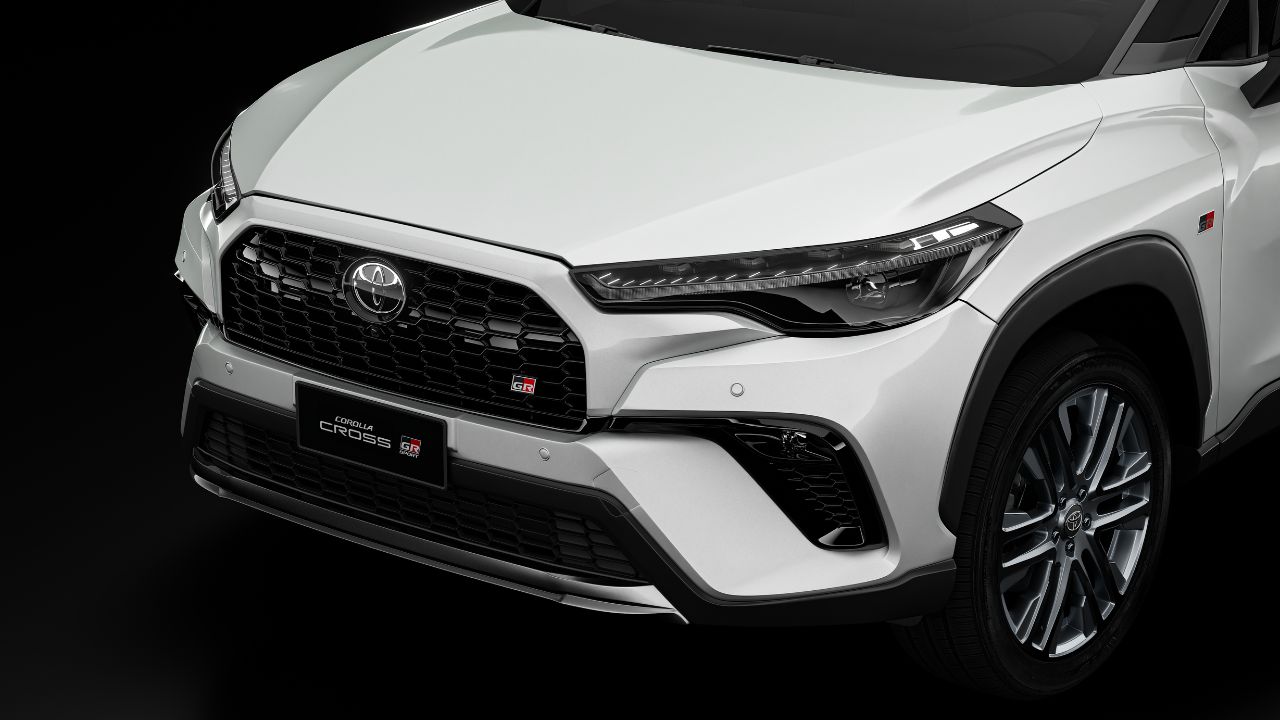
2027 Toyota Corolla Cross Unveiled: New Design, Enhanced Fuel Efficiency, Reduced Maintenance Costs, Advanced Technology, Connected Services, and Up to 10-Year Warranty

-
Fiat Cronos Precision 2018: Affordable Sedan with Spacious Trunk and Reliable Maintenance
-
Volkswagen to Cut Production by 1 Million Cars by 2030, Reducing Jobs and Platforms, Focusing on More Profitable Models

-
Toyota Launches First 100% Electric Car in Brazil: bZ4X with 343 HP, All-Wheel Drive, 361 km Range, Priced at $419,990 BRL, Limited to 99 Units



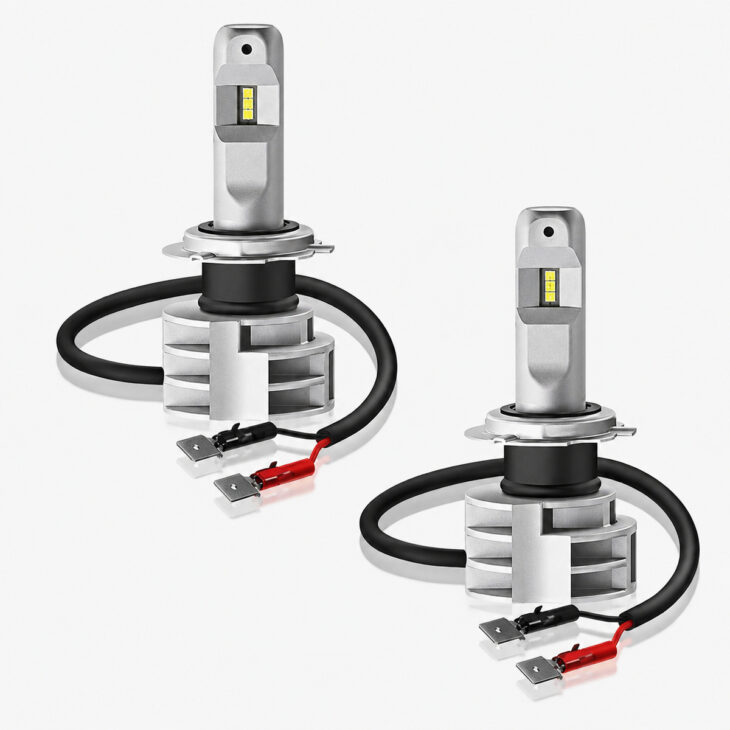
The proposal allows the exchange when the equipment is certified by the National Institute of Metrology, Quality, and Technology, Inmetro.
Why the exchange for LED headlights is prohibited
Each manufacturer develops the headlight for a specific light source.
A reflector created for halogen bulbs, for example, distributes light in its own way.
The installation of a parallel LED bulb can, consequently, alter the original focus.
The glare of drivers in the opposite direction represents one of the main risks associated with the change.
Inadequate adjustment also compromises road safety and impairs the correct distribution of light.
For this reason, the regulation prevents the exchange of original bulbs for others with different technology or power.
The restriction also extends to license plate lights and signaling system components.
A bulb with a different color temperature can even change the technical characteristics of colorimetry.
The Ministry of Cities considers that components with equivalent power can use technology different from that chosen by the manufacturer.
How the rules were established
The Contran Resolution No. 667, published in 2017, initially created the restriction.
The regulation began to affect changes made from January 1, 2021.
The Contran Resolution No. 970, published in 2022, subsequently consolidated the vehicle lighting rules.
The new resolution replaced previous regulations on January 1, 2024.
Vehicles that left the factory with xenon continue to be authorized to use this technology.
Inmetro and the state traffic departments also maintain the validity of previous regularizations.
The regulation also establishes criteria for:
- Directional headlights;
- Cornering lights;
- Emergency braking;
- Automatic headlight adjustment;
- Automatic high beam;
- Daytime running lights.

Daytime lights also received new requirements
Manufacturers began to include daytime running lights in new projects since 2021.
The requirement reached all new cars manufactured since 2023, except motorcycles.
The lights must operate with an intensity between 400 and 1,200 candelas, regardless of the technology used.
Vehicles must also offer automatic lighting, alerts, or different levels of illumination on the dashboard.
The daytime lights can alternatively assume the function of position lights and keep the rear lights on.
Project may allow certified LED headlights
Deputy Rodrigo da Zaeli presented the Bill No. 1,108/2025 on March 19, 2025.
Reporter Zé Trovão later presented a substitute text to the original proposal.
The Commission of Roads and Transport approved the project with changes on March 18, 2026.
The text allows substitution only when the equipment has Inmetro certification.
Contran must still define the safety standards for installation and adjustment.
The authors claim that the technology offers greater energy efficiency, durability, and better light distribution.
The change is not yet in effect, despite the progress made in the Chamber of Deputies.
The Constitution and Justice and Citizenship Committee still needs to review the project.
Drivers must, therefore, adhere to the original technology defined by the manufacturer while Congress has not concluded the process.


